




Looking to add fresh flavors and natural beauty to your home? Finding the perfect herb garden near you can transform your cooking, boost your health, and even brighten up your living space.
Whether you’re a seasoned gardener or just starting out, having easy access to quality herbs is a game-changer. In this guide, you’ll discover the best spots in Austin, Texas, where you can find everything from organic herb plants to expert advice that helps your garden thrive.
Ready to grow your own herbs and elevate your lifestyle? Keep reading to uncover the top local nurseries, tips, and secrets that make planting your herb garden simple and enjoyable. Your green thumb adventure starts here!
Credit: m.yelp.com
Local Herb Gardens In Austin
Austin offers many options for herb lovers. Local herb gardens provide fresh and healthy plants. These gardens support home gardening and healthy cooking. Many places sell herbs for planting or cooking.
Growing herbs at home is easy with the right plants. Austin’s local herb gardens focus on organic and natural herbs. They help gardeners find the best herbs for their needs. Some places also offer advice and tips for herb care.
Popular Herb Shops Nearby
Herb shops in Austin have a wide selection of fresh herbs. Gardens of the Ancients is known for quality herbs and friendly staff. The Herb Bar offers many bulk organic herbs perfect for teas. These shops provide herbs that fit any kitchen or garden.
Top Nurseries For Herb Plants
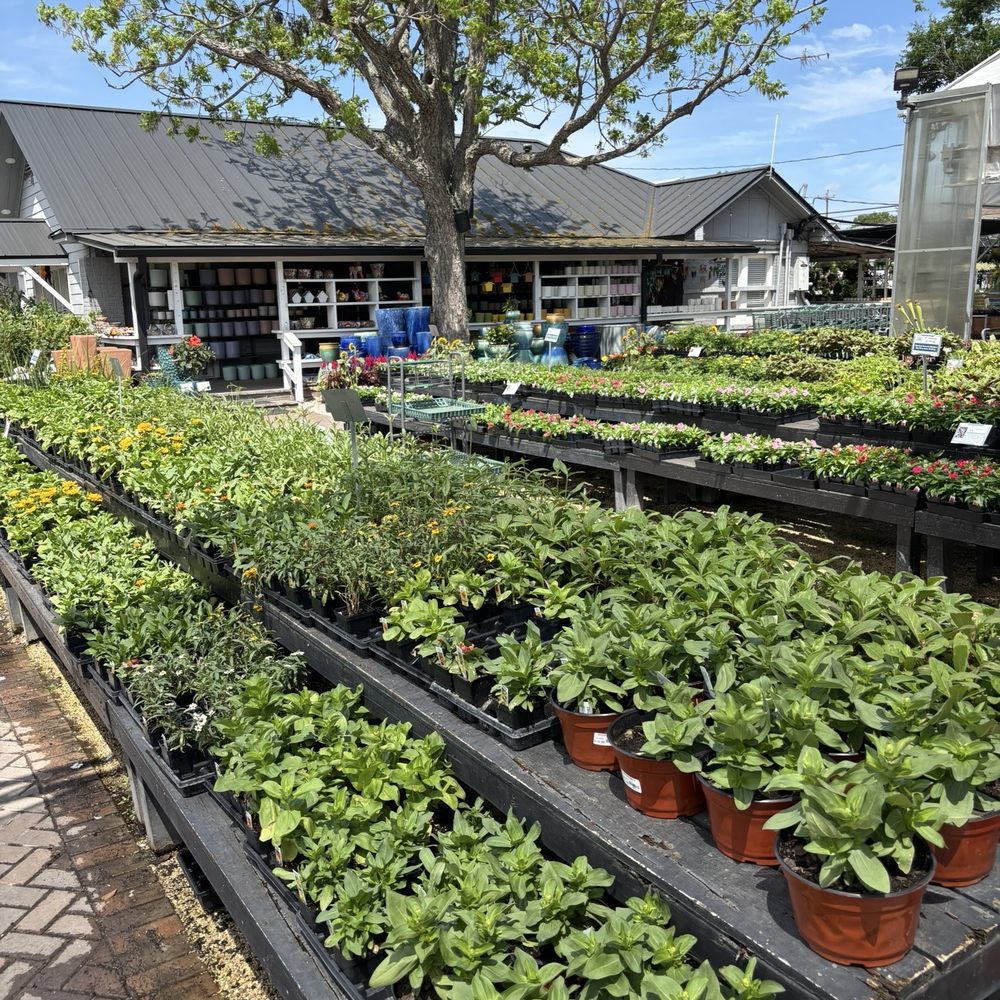
Nurseries in Austin grow healthy herb plants ready to be planted. The Natural Gardener has a large variety of herb and vegetable plants. Shoal Creek Nursery provides vibrant plants and expert gardening advice. Barton Springs Nursery offers native herbs and organic soils.
Organic And Bulk Herb Sources
Buy organic herbs in bulk for cooking or planting. The Herb Bar sells great bulk herbs for herbal teas and remedies. Lone Star Nursery grows “uncertifiably organic” herbs with no chemicals. Round Rock Garden Center specializes in organic soils and fertilizers.
Credit: backtotheroots.com
Best Places To Buy Herb Plants
Finding the best places to buy herb plants is key to a thriving herb garden. Local options vary, offering different benefits for gardeners. Choosing the right source affects plant quality, price, and variety. Explore these options to pick the best fit for your needs.
Nurseries Vs. Big Retailers
Nurseries provide fresh, healthy herb plants grown in local conditions. Staff can offer expert advice on plant care and selection. Big retailers have a wider range but may sell less specialized plants. Plants from big stores can sometimes be less fresh. Nurseries often support local growers and organic options. Both places have strengths depending on your gardening goals.
Affordable Herb Plant Options
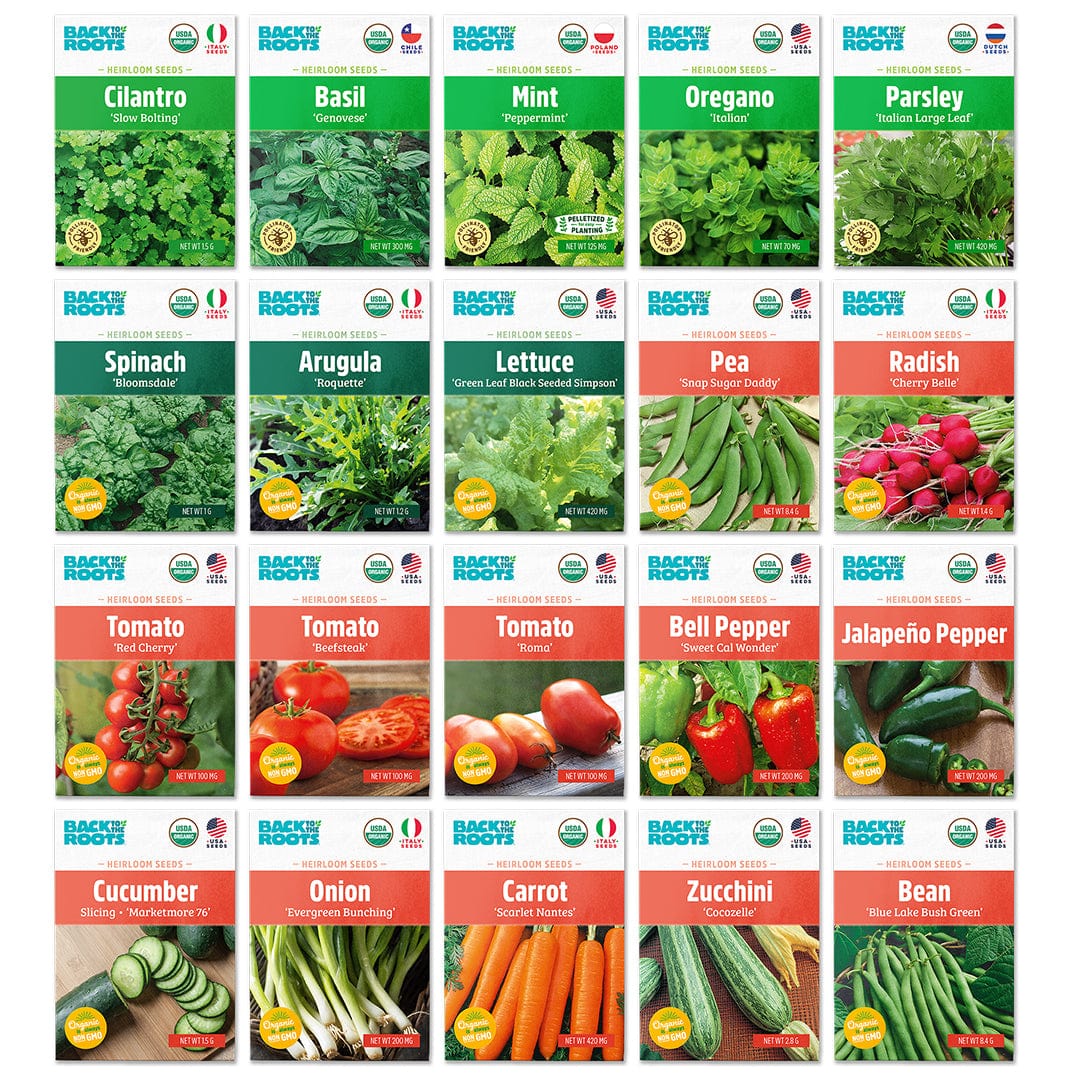
Look for seasonal sales at nurseries and garden centers to save money. Some big retailers offer budget-friendly herb plant packs. Local farmers’ markets sometimes sell small herb plants at low prices. Growing herbs from seeds is another cost-effective choice. Affordable plants still need proper care to grow well in your garden.
Where To Find Free Plants
Community plant swaps offer free herb plants and gardening tips. Check local gardening clubs or social media groups for giveaways. Some libraries and community centers host free plant events. Propagating herbs from cuttings can produce new plants at no cost. Free plants are a great way to start without spending money.
Growing Herbs In Central Texas
Central Texas offers a unique climate for growing herbs. The warm temperatures and sunny days create a great environment for many herb varieties. Yet, the hot summers and occasional droughts need special care. Understanding the local conditions helps gardeners grow healthy, vibrant herbs all year long.
Choosing the right herbs and following some simple tips can make your herb garden successful. Herbs not only add flavor to meals but also bring beauty to your home and garden. Let’s explore the best herbs for Central Texas and how to care for them.
Ideal Herbs For Austin Climate
Basil thrives in the warm, sunny days of Austin. It needs regular watering but well-drained soil. Rosemary loves dry, sunny spots and can handle the Texas heat well. Thyme grows well in full sun and tolerates drought once established. Mint prefers partial shade and moist soil, making it a good choice for shadier garden corners. Oregano grows fast and withstands heat, perfect for Central Texas gardens.
Tips For Thriving Herb Gardens
Plant herbs in well-drained soil to avoid root rot. Water them deeply but allow soil to dry between waterings. Mulch helps keep moisture in and controls weeds. Prune herbs regularly to encourage new growth and prevent them from becoming woody. Use containers to protect sensitive herbs from intense afternoon sun. Rotate herbs yearly to keep the soil healthy and reduce pests.
Using Herbs In Cooking And Decor
Fresh herbs bring vibrant flavors to dishes like salads, soups, and sauces. Chop basil and add it to pasta for a fresh taste. Use rosemary to season roasted meats and vegetables. Fresh thyme adds aroma to stews and breads. Herbs also enhance home decor. Place fresh herbs in small pots around the kitchen or living room. Cut herbs like mint and lavender make beautiful, natural bouquets.
Indoor Vs Outdoor Herb Gardens
Herb gardens bring fresh flavors and lovely scents to any space. Deciding between indoor and outdoor herb gardens depends on your lifestyle and environment. Both options offer unique advantages and challenges. Understanding these can help you create a thriving herb garden near you.
Benefits Of Indoor Herb Gardens
Indoor herb gardens fit small spaces like kitchens and apartments. Herbs stay within reach for cooking and teas. You control temperature and light easily, helping herbs grow year-round. Indoor gardens protect plants from pests and harsh weather. They add greenery and freshness to your home. Indoor gardening also improves air quality and boosts mood.
Setting Up Outdoor Herb Spaces
Outdoor herb gardens thrive in sunny spots with good airflow. Choose a location with at least six hours of sunlight daily. Prepare the soil by mixing compost to improve nutrients and drainage. Group herbs with similar water needs together. Raised beds or garden rows work well for larger spaces. Outdoor gardens attract pollinators and create a natural, relaxing environment.
Choosing The Right Pots And Planters
Select pots that allow drainage to prevent root rot. Terra cotta and ceramic pots are breathable and ideal for herbs. Use containers with enough space for root growth. Consider self-watering planters for convenience. Choose sizes that fit your space, whether a windowsill or patio. Lightweight pots make moving plants easier with changing seasons.
Specialty Herb Garden Destinations
Specialty herb garden destinations offer unique places to explore and enjoy herbs. These gardens go beyond common plants. They bring rare herbs, themed settings, and hands-on activities. Visitors can learn about herbs’ uses and benefits. The experience is both fun and educational.
Many destinations include herbal spas and restaurants that use fresh herbs. Garden tours and workshops help visitors deepen their knowledge. These spots create a special connection to nature and herbs.
Hill Country Herb Garden Experience
Hill Country features many specialty herb gardens. The gardens display native and exotic herbs. Visitors can stroll through fragrant paths and colorful beds. The peaceful setting invites relaxation and discovery. Many gardens offer guided tours to explain each herb’s story. It is a perfect place for nature lovers and herb enthusiasts.
Herbal Spas And Restaurants
Herbal spas use fresh herbs for healing treatments. Massages, baths, and facials include herbal oils and extracts. Visitors feel refreshed and nourished. Nearby restaurants serve dishes flavored with garden-fresh herbs. The meals highlight natural tastes and health benefits. Dining in these places is a treat for the senses.
Garden Tours And Workshops
Garden tours give detailed insights about herbs and gardening. Experts share tips on planting, harvesting, and using herbs. Workshops offer hands-on experiences like making herbal teas or salves. These sessions suit beginners and experienced gardeners alike. Learning is fun and practical, encouraging visitors to start their own herb gardens.

Credit: www.finegardening.com
Supporting Sustainable Gardening
Sustainable gardening helps protect the environment and saves resources. It focuses on using natural methods to grow plants. This approach keeps soil healthy and reduces waste. Many herb gardens near you in Austin follow these green practices. They help you grow fresh herbs while caring for nature.
Using sustainable methods also supports local wildlife and reduces pollution. It creates a balanced ecosystem in your garden. You can find many tips and resources in your community to start or improve your herb garden sustainably.
Organic Soils And Fertilizers
Organic soils improve plant growth without harmful chemicals. They contain natural nutrients that feed herbs gently. Organic fertilizers break down slowly, providing steady nourishment. These products keep the soil alive and rich. They help herbs grow stronger and tastier. Many nurseries in Austin offer quality organic soils and fertilizers. Choosing these supports healthy plants and a safer environment.
Native Texas Plants In Herb Gardens
Native Texas plants fit well with local climates and soils. They need less water and care than exotic plants. Including native herbs in your garden saves time and resources. These plants attract beneficial insects and birds. They help maintain the natural balance in your garden. Nurseries like Barton Springs Nursery and Lone Star Nursery offer many native options. Adding native herbs boosts your garden’s health and beauty.
Community Gardening Resources
Community gardens provide space and tools for sustainable gardening. You can learn from experienced gardeners and share tips. Local groups often host workshops on organic gardening and native plants. They may offer free or low-cost seeds and plants. Joining a community garden connects you with others who love herbs. It creates a strong, green network in Austin. Resources like The Natural Gardener and Shoal Creek Nursery support gardeners with advice and supplies.
Conclusion
Finding a local herb garden brings fresh flavors to your kitchen. Visit nearby nurseries for healthy, vibrant plants. Growing herbs at home saves money and adds beauty to your space. Start small with easy herbs like basil or mint. Enjoy the process and watch your garden thrive.
Simple care and sunlight keep herbs healthy and strong. Explore your community for expert advice and quality supplies. A nearby herb garden offers both joy and freshness every day.
