




Looking to add fresh, flavorful herbs to your kitchen or garden? Finding the perfect herb plant near you can transform your cooking and brighten your home with natural greenery.
Whether you’re in Austin, Texas, or another city, knowing where to get healthy, vibrant herb plants makes all the difference. Imagine stepping outside to snip fresh basil for your pasta or rosemary for your roast—right at your fingertips. In this guide, you’ll discover the best local nurseries, stores, and tips to help you find and grow the ideal herb plants close to you.
Keep reading to unlock simple ways to bring nature’s freshest flavors into your daily life.
Local Nurseries In Austin
Austin boasts several local nurseries perfect for herb plant enthusiasts. These nurseries offer a wide variety of herbs, suited for both beginners and expert gardeners. Shopping local helps you find fresh, healthy plants adapted to Austin’s climate.
Each nursery has its own unique selection and specialties. Visiting them gives you hands-on experience and expert advice. Here are some top local nurseries in Austin where you can find great herb plants.
Shoal Creek Nursery
Shoal Creek Nursery provides vibrant herb plants and quality garden supplies. They offer bulk soil and many vegetable and herb options. The staff is friendly and ready to help you choose the right plants.
The Natural Gardener
The Natural Gardener focuses on organic gardening. They have a wide selection of herbs, vegetables, and native plants. Their knowledgeable team offers useful tips for growing healthy herbs.
Barton Springs Nursery
Barton Springs Nursery features a great variety of herbs and garden plants. They carry both common and rare herb varieties. You will find helpful advice and a welcoming atmosphere.
Lone Star Nursery
Lone Star Nursery grows “uncertifiably organic” plants, including herbs and vegetables. Their selection includes houseplants, succulents, and Texas native plants. The nursery supports sustainable gardening practices.
Popular Herb Plants
Herb plants bring fresh flavors and aromas to any kitchen or garden. Many popular herbs grow well in Austin, Texas. They thrive in the warm climate and add beauty to your space. Growing herbs nearby saves money and ensures freshness.
Several herb plants are favorites among gardeners and cooks. These include common varieties and some unique options. Choosing the right herbs depends on taste and growing conditions. Here are some popular herb plants you can find near you.
Basil Varieties
Basil is a versatile herb loved for its sweet and spicy leaves. Sweet basil is the most common type used in salads and sauces. Thai basil adds a hint of anise and is popular in Asian dishes. Purple basil offers a colorful twist for gardens and plates. Basil grows well in Austin’s sunny weather.
Rosemary Options
Rosemary is a hardy herb with a strong, pine-like scent. It works great in roasted meats and vegetables. Upright rosemary grows tall and is easy to prune. Trailing rosemary suits containers and hanging baskets. This herb needs well-drained soil and full sun to thrive.
Parsley And Cilantro
Parsley is a bright, mild herb often used as a garnish. Flat-leaf parsley has a stronger flavor than curly parsley. Cilantro offers a fresh, citrusy taste popular in Mexican and Indian cuisine. Both herbs prefer cooler temperatures and partial shade in hot climates. They grow quickly and regularly produce fresh leaves.
Specialty Herbs Like Epazote
Epazote is a unique herb used in Mexican cooking. It has a pungent aroma and aids digestion. This herb grows well in warm climates like Austin’s. Epazote needs full sun and well-drained soil. Its distinct flavor complements beans, soups, and stews.
Where To Buy Herb Plants
Finding the right place to buy herb plants makes a big difference in your gardening success. Herb plants add flavor to cooking and fresh scents to your home. Knowing where to buy healthy, strong herb plants helps you start well. Several options exist nearby and online, each offering different benefits. Explore these places to pick the best herb plants for your garden.
Home Improvement Stores
Home improvement stores often have garden centers with herb plants. These stores stock popular herbs like basil, mint, and rosemary. Prices are usually reasonable and plants are ready to take home. Staff can help with planting tips and care advice. Stores like Home Depot and Lowe’s are good choices for herb plants near you.
Supermarkets With Plant Sections
Many supermarkets include small plant sections with herb plants. These stores offer convenience for quick shopping trips. Herbs like parsley, cilantro, and thyme are common here. Prices tend to be low, making it easy to buy several plants. Chains such as H-E-B and Walmart often have fresh herb plants in their garden aisles.
Online Purchase And Delivery
Buying herb plants online provides a wide variety and easy delivery. Many nurseries and plant shops ship healthy plants directly to your door. You can find rare and specialty herbs not available locally. Check reviews to choose trusted sellers with good customer service. Online buying saves time and allows careful selection from your home.
Farmers Markets And Local Growers
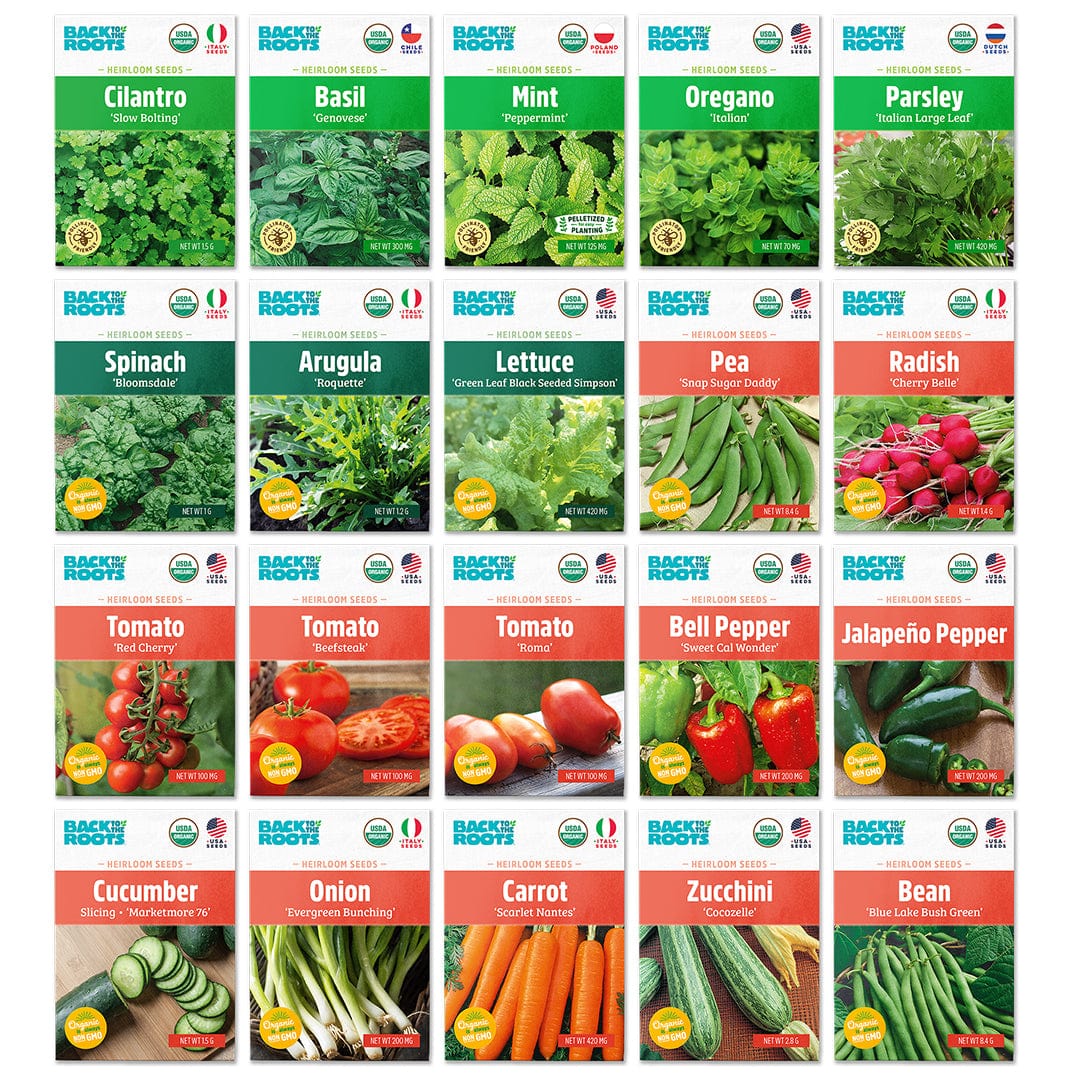
Farmers markets offer fresh herb plants grown nearby. These plants are usually well cared for and organic. Buying from local growers supports small businesses and ensures plant quality. You can ask growers questions about growing and harvesting herbs. Markets often have seasonal herbs that are perfect for your climate.
Credit: backtotheroots.com
Best Time To Plant Herbs
Choosing the best time to plant herbs affects their growth and flavor. Herbs need the right temperature and sunlight to thrive. Planting at the right season helps you avoid frost or too much heat. Understanding when to plant herbs near you can save time and increase your harvest.
Seasonal Planting Tips
Spring is ideal for most herbs. The soil warms up, and days get longer. Basil, parsley, and cilantro grow well in spring. Avoid planting in late fall or winter outside. Some herbs like rosemary and thyme can handle cooler weather. Check local frost dates to plan planting.
Year-round Herb Growing
Some herbs grow all year with care. Mint and chives often last through winter. Use mulch to protect roots in cold months. Grow herbs in pots to move them indoors during frost. Regular watering and light help herbs stay healthy year-round.
Indoor Vs Outdoor Planting
Indoor planting offers control over light and temperature. Place herbs near sunny windows for best growth. Outdoor planting gives herbs more space and natural conditions. Choose hardy herbs for outdoor gardens. Indoor herbs need less water but more light. Both methods can yield fresh herbs daily.
Caring For Herb Plants
Caring for herb plants is simple and rewarding. These plants thrive with the right attention. Understanding their needs helps them grow healthy and strong.
Herbs need good soil, proper watering, and protection from pests. Each step supports their growth and flavor. Follow these tips to keep your herbs flourishing.
Soil And Fertilizer Needs
Use well-draining soil for herb plants. A mix of garden soil and sand works well. Herbs prefer soil that is not too rich. Too much fertilizer can harm them.
Apply a balanced, slow-release fertilizer once a month. Organic compost is also a great choice. It improves soil quality and adds nutrients slowly. Avoid over-fertilizing to keep herbs tasting fresh.
Watering Guidelines
Water herbs deeply but less often. Let the soil dry out between watering. Overwatering causes root rot and weak plants. Morning watering is best to reduce leaf diseases.
Check soil moisture by touching it. If dry one inch below surface, it’s time to water. Adjust watering based on weather and plant type. Consistent moisture supports healthy herb growth.
Pest And Disease Management
Inspect herb plants regularly for pests. Common pests include aphids, spider mites, and whiteflies. Use natural pest control like neem oil or insecticidal soap. Avoid harsh chemicals that damage plants.
Keep plants spaced well to improve air flow. Remove dead or diseased leaves promptly. Healthy plants resist disease better. Good care reduces pest and disease problems.

Credit: unlimitedgreens.com
Benefits Of Fresh Local Herbs
Fresh local herbs bring a lot to your kitchen and health. These herbs offer superior taste and nutrition compared to dried or imported ones.
Choosing local herbs supports your community and helps the environment. You get fresher, healthier plants while aiding local growers.
Flavor And Nutrition
Fresh herbs have a stronger, richer flavor. They enhance meals with vibrant taste and aroma.
Local herbs retain more nutrients. They provide vitamins and antioxidants that boost your health.
Supporting Local Businesses
Buying herbs nearby helps small farmers and nurseries. Your money stays in the community and supports local jobs.
Local growers often use natural methods. This means fewer chemicals and healthier plants for you.
Sustainability And Environment
Local herbs reduce the need for long transport. This lowers pollution and carbon emissions.
Growing and buying local herbs encourages sustainable gardening. It helps preserve soil and water in your area.

Credit: revivalrootsnursery.com
Conclusion
Finding herb plants near you makes gardening simple and fun. Local nurseries offer fresh, healthy plants at fair prices. You can grow herbs easily at home, even in small spaces. Herbs add flavor to meals and freshness to your kitchen.
Start your herb garden today and enjoy the benefits. Visit nearby stores or garden centers to pick your favorites. Planting herbs connects you with nature and healthy living. It’s a small step with great rewards.
