




Are you looking to create a thriving herb garden but wonder which herbs can grow well together? Planting the right herbs side by side can boost their growth, flavor, and health.
But mixing the wrong ones might stunt growth or let aggressive plants take over your garden. In this guide, you’ll discover which herbs make great companions and which should be kept apart. By choosing the best pairings, you’ll enjoy a lush, productive herb garden that saves space and effort.
Ready to find out the perfect herb matches for your garden? Let’s dive in!
Credit: lovefatbees.com
Benefits Of Companion Planting
Companion planting is a simple way to improve your herb garden naturally. Planting certain herbs together helps them grow better and stay healthy. This method uses the natural strengths of plants to support each other. It can save space, reduce pests, and boost growth without chemicals.
Boosting Herb Growth
Some herbs release substances that help their neighbors grow strong. For example, basil can improve the flavor and growth of tomatoes nearby. Planting herbs like rosemary and thyme together can create a microclimate that protects them from harsh weather. This natural support helps herbs develop faster and produce more leaves.
Pest Control Naturally
Certain herbs repel pests that harm other plants. Lavender and mint can keep away mosquitoes and flies. Planting garlic near herbs can stop bugs like aphids and beetles. This natural pest control reduces the need for chemical sprays, keeping your garden safe and healthy.
Maximizing Garden Space
Companion planting allows you to use your garden space wisely. Tall herbs like dill can grow well with low-growing herbs like chives. This layering uses vertical space and sunlight efficiently. You can grow more herbs in a smaller area by pairing plants with different heights and root depths.
Herbs That Thrive Together
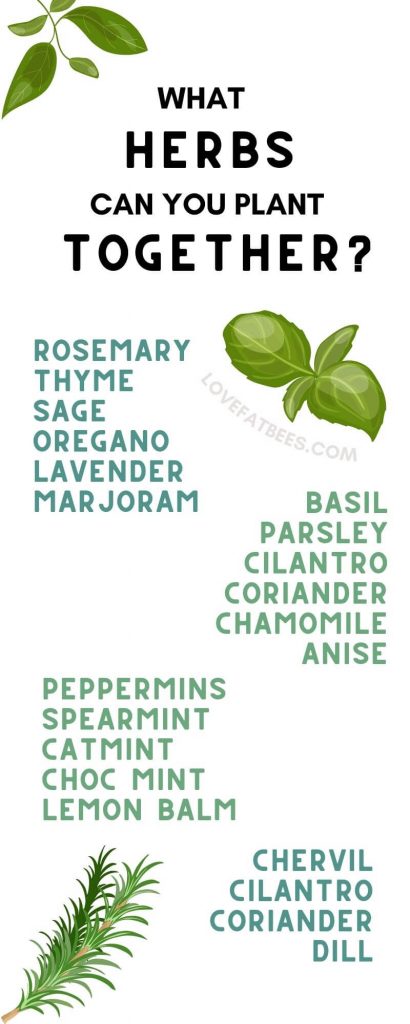
Growing herbs side by side can boost their health and yield. Some herbs naturally support each other’s growth. Choosing the right pairs helps them thrive without competition. This guide highlights herbs that grow well together. These combinations suit small gardens and containers.
Basil And Parsley
Basil and parsley are popular kitchen herbs. They enjoy similar sunlight and water needs. Both prefer well-drained soil and moderate watering. Basil can help repel pests that bother parsley. Parsley attracts beneficial insects that help basil. Planting them together saves space and effort.
Rosemary And Thyme
Rosemary and thyme thrive in dry, sunny spots. They tolerate drought better than many herbs. Both have woody stems and small leaves. Their similar care needs make them ideal companions. Rosemary’s strong scent can deter pests from thyme. These herbs add flavor and aroma to many dishes.
Chives And Dill
Chives and dill grow well in cooler weather. They prefer moist but not soggy soil. Chives help improve dill’s flavor and keep pests away. Dill attracts pollinators that benefit chives and other plants. This pair works well in herb gardens or pots. Their combined presence creates a healthy garden balance.
Herbs To Avoid Planting Together
Some herbs should not grow close to each other. Planting them together can cause poor growth or spread problems. Knowing which herbs to avoid planting side by side helps your garden thrive.
Mint And Fennel
Mint grows fast and spreads its roots aggressively. It can take over space from other plants quickly. Plant mint in a separate pot to keep it contained.
Fennel releases chemicals that stop many herbs from growing well nearby. It harms dill, caraway, and coriander. Keep fennel isolated to protect other herbs.
Dill And Carrots
Dill and carrots do not grow well together. Dill can stunt carrot growth by competing for nutrients. Avoid planting them close to each other in the garden.
Also, dill should not grow near fennel or coriander. These herbs interfere with each other’s development and reduce harvests.
Sage And Cucumbers
Sage and cucumbers do not get along in the garden. Planting them together leads to stunted growth for cucumbers. Sage also dislikes onions nearby.
Keep sage separate to ensure healthy cucumber plants and better yields. This simple step improves your garden’s success.
Managing Aggressive Herbs
Managing aggressive herbs is essential for a healthy garden. Some herbs grow quickly and take over spaces. They can crowd out other plants and reduce yields. Proper management keeps your garden balanced and thriving.
Containing Mint
Mint spreads fast with underground runners. It can quickly take over garden beds. Plant mint in pots or containers to control its growth. Use heavy pots to prevent roots from escaping. Regular pruning also keeps mint in check.
Isolating Fennel
Fennel releases chemicals that stop other herbs from growing well. It affects plants like dill, coriander, and caraway. Plant fennel away from other herbs in a separate spot. This isolation protects your garden’s diversity and health.
Handling Rue
Rue can stunt the growth of basil, sage, and cabbages. Keep rue away from these plants to avoid problems. Plant rue at the garden edge or in its own container. Watch its growth and prune to prevent spreading.
Herbs With Conflicting Needs
Not all herbs grow well side by side. Some have needs that clash sharply. Planting these herbs together can lead to poor growth or even death. Understanding these conflicting needs helps create a thriving garden.
Watering Differences
Herbs vary in their water needs. Rosemary and thyme prefer dry soil. They suffer if soil stays wet for long. On the other hand, basil and parsley need regular watering. Their roots dry out quickly without moisture. Grouping herbs with very different water needs causes problems. Overwatering dry-loving herbs or underwatering thirstier ones harms both.
Soil Ph Preferences
Soil pH affects nutrient uptake. Some herbs prefer acidic soil. Blueberries and lavender grow well in low pH. Others like basil and chives favor neutral to slightly alkaline soil. Mixing herbs with opposing pH needs can reduce their nutrient absorption. It also limits their growth and flavor. Check soil pH before planting herbs together.
Sunlight Requirements
Sunlight needs vary among herbs. Most Mediterranean herbs like rosemary and oregano love full sun. They need at least six hours of direct light daily. Shade-loving herbs like mint and parsley prefer less sun. Too much sun makes them wilt or burn. Planting sun lovers with shade-tolerant herbs causes stress. Each herb thrives best with its correct light exposure.
Credit: www.reddit.com
Planting Herbs In Containers
Growing herbs in containers is a smart way to enjoy fresh flavors year-round. Containers save space and allow control over soil and water. They work well on patios, balconies, or small gardens. Choosing the right herbs and planting them properly is key for healthy growth. Grouping herbs that thrive together improves their chances of success.
Grouping Compatible Herbs
Some herbs grow well together in the same container. For example, basil, parsley, and chives share similar water and sunlight needs. Planting these together helps them thrive. Pairing herbs with similar growth habits reduces competition for nutrients. Avoid mixing herbs that need very different care. Grouping compatible herbs makes container gardening easier and more rewarding.
Separating Mediterranean Herbs
Mediterranean herbs like rosemary, thyme, and sage prefer drier soil and full sun. They do not do well with herbs that like moist soil, such as mint or basil. Plant Mediterranean herbs in their own containers with well-drained soil. This separation prevents root rot and encourages healthy growth. Keeping these herbs apart ensures each one gets the right conditions.
Container Size Tips
Choose containers large enough for herb roots to spread. Small pots limit growth and dry out quickly. A container at least 8-12 inches deep suits most herbs. Use pots with drainage holes to avoid water buildup. Grouping multiple herbs in one container needs extra space. Crowded pots reduce airflow and increase disease risk. Proper container size supports healthy, vigorous herbs.
Common Companion Planting Mistakes
Companion planting is a popular way to grow herbs together for better growth and pest control. Many gardeners make mistakes that reduce the benefits of companion planting. Avoiding these errors helps your herbs thrive and saves space in your garden.
Ignoring Herb Compatibility
Not all herbs grow well side by side. Some herbs release chemicals that stop others from growing. Mint, for example, spreads quickly and can take over nearby plants. Fennel also releases substances that harm many herbs. Always check which herbs are good neighbors before planting.
Overcrowding Plants
Planting too many herbs close together causes competition for light, water, and nutrients. Overcrowded herbs grow weak and become more prone to disease. Give each herb enough space to grow well. Follow recommended spacing guides for best results.
Neglecting Soil Conditions
Herbs have different soil needs. Some prefer dry, sandy soil, while others like moist, rich soil. Ignoring these needs leads to poor growth. Test your soil and adjust it to suit the herbs you plant. Use compost or sand to improve soil quality where needed.
Tips For A Thriving Herb Garden
Creating a thriving herb garden needs careful attention and simple care steps. Healthy herbs grow stronger and produce more flavors. Follow these tips to keep your herbs happy and vibrant.
Regular Pruning
Cut herbs often to promote new growth. Remove dead or yellow leaves to keep plants healthy. Pruning prevents herbs from becoming too tall or woody. It helps plants focus energy on fresh shoots and leaves. Regular trimming also improves air flow around the plants.
Proper Spacing
Give each herb enough room to grow. Crowded plants compete for water and nutrients. Proper spacing reduces disease risk and pest problems. Check the seed packet for recommended distances. Remember, some herbs spread quickly and need extra space.
Monitoring Pest Activity
Watch your herbs for signs of pests daily. Look for holes, discoloration, or sticky residue on leaves. Catching pests early stops damage and spread. Use natural pest control methods like neem oil or insecticidal soap. Encourage beneficial insects such as ladybugs to help protect your garden.

Credit: dianfarmer.com
Conclusion
Growing herbs together can save space and improve garden health. Choose compatible herbs like basil and parsley for best results. Avoid planting aggressive herbs such as mint near others to prevent crowding. Remember, some herbs need different water or soil types.
Group plants with similar needs for stronger growth. With careful planning, your herb garden will thrive and provide fresh flavors. Enjoy the process and watch your herbs flourish side by side.
