



Are you fascinated by plants that bring both beauty and a fresh scent to your garden? Mint purple flowers might just be what you’re looking for.
These unique blooms combine the soothing shades of purple with the invigorating aroma of mint, creating a perfect blend for your outdoor space or even indoor pots. Whether you’re curious about their varieties, how to grow them, or their uses, this guide will help you discover everything you need to know.
Keep reading to find out how mint purple flowers can brighten your garden and delight your senses.

Credit: thefabulousgarden.com
Mint Family With Purple Blooms
The mint family, known scientifically as Lamiaceae, includes many plants with purple blooms. These flowers add color and charm to gardens and wild areas. Purple flowers in mints often attract bees and butterflies. They also show the diversity within this popular herb family.
Different types of mints display purple flowers, from wild species to garden varieties. Their blooms can range from soft lavender to deep violet. Each variety offers unique shapes, scents, and growing habits. This makes the mint family a favorite for gardeners and nature lovers alike.
Common Varieties
Several mint species produce purple flowers. Catmint (Nepeta) has soft purple blooms and gray-green leaves. Hummingbird mint (Agastache) offers bright purple flower spikes that attract pollinators. Both are easy to grow and add beauty to outdoor spaces.
Wild mints like henbit (Lamium amplexicaule) and purple deadnettle (Lamium purpureum) grow naturally in fields and gardens. They have small, delicate purple flowers and square stems typical of the mint family. These plants often appear early in spring, covering the ground with color.
Wild Mints With Purple Flowers
Wild mints with purple flowers are common in many regions. Henbit has clusters of pale purple flowers and rounded leaves. It grows quickly and spreads easily in lawns and fields.
Purple deadnettle features darker purple flowers and heart-shaped leaves. It often grows in shaded areas and provides early nectar for bees. Both plants add natural beauty to wild landscapes.
Garden Mints
Garden mints with purple flowers are popular for cooking and decoration. Himalayan mint (Mentha spicata ‘Himalayan Silver’) shows long spikes of light purple flowers. Its silvery leaves have a mild spearmint taste.
Moroccan mint (Mentha spicata var. ‘Moroccan’) produces delicate purple blooms during summer. It has bright green, lance-shaped leaves and a strong mint aroma.
Mint Lavender (Mentha sp. ‘Lavender’) offers blue-purple flowers and a fresh mint fragrance. Its edible flowers add color to dishes and drinks.
Credit: www.grimmsgardens.com
Popular Mint Purple Flowers
Mint purple flowers attract gardeners and herbalists alike. These flowers offer a blend of refreshing mint scents and soft purple hues. They brighten gardens and add flavor to dishes and drinks. Many mint varieties produce charming purple blossoms. They also provide benefits like attracting pollinators and repelling pests.
Here are some popular mint purple flowers to consider for your garden or kitchen.
Himalayan Mint
Himalayan Mint (Mentha spicata ‘Himalayan Silver’) stands out with its long spikes of light purple flowers. Its leaves have a silvery-green color and a mild spearmint flavor. This variety grows well in cool climates and partial shade. It adds a gentle color and fresh aroma to any garden space.
Moroccan Mint
Moroccan Mint (Mentha spicata var. ‘Moroccan’) produces delicate purple flowers during summer. Its bright green, lance-shaped leaves give a fresh look to the plant. This mint is known for its strong, sweet aroma. It is popular for making mint tea and refreshing drinks.
Mint Lavender
Mint Lavender (Mentha sp. ‘Lavender’) features blue-purple flowers with a fresh mint fragrance. The flowers are edible and can enhance salads and desserts. This mint variety combines the calming scent of lavender with classic mint freshness. It grows quickly and thrives in sunny spots.
Other Purple-flowering Mint Relatives
Many members of the mint family display lovely purple flowers. These plants bring color and fragrance to gardens. They often attract pollinators like bees and hummingbirds. Purple-flowering mints share common traits such as aromatic leaves and square stems. Below are some popular relatives with beautiful purple blooms.
Hummingbird Mint
Hummingbird mint (Agastache) offers spikes of purple flowers. These blooms attract hummingbirds and butterflies. The plant has fragrant leaves with a minty aroma. It thrives in sunny spots with well-drained soil. Hummingbird mint adds height and color to flower beds.
Catmint
Catmint (Nepeta) produces soft purple flowers in clusters. It is drought-tolerant and easy to grow. Bees love its nectar-rich blossoms. The gray-green leaves give the plant a silvery look. Catmint is perfect for borders and rock gardens.
Perennial Salvia And Russian Sage
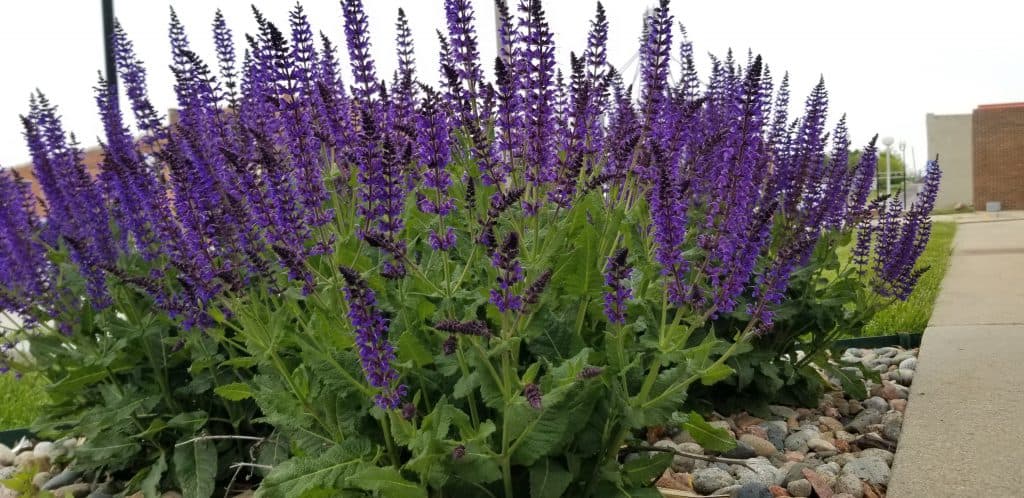
Perennial salvia shows spikes of deep purple flowers. It blooms from summer into fall. Russian sage features airy purple blooms and silvery foliage. Both plants attract pollinators and resist deer. They add texture and color to perennial gardens.
Lavender
Lavender grows fragrant purple flower spikes. It prefers full sun and dry soil. Bees and butterflies visit the flowers often. Lavender leaves have a pleasant minty scent. It is widely used in gardens and for essential oils.
Growing Tips For Mint Purple Flowers
Growing mint purple flowers can add beauty and fragrance to any garden. These plants thrive with the right care and environment. Follow simple tips to keep them healthy and vibrant. Understanding their needs helps in growing strong plants that bloom beautifully.
Sunlight And Soil Needs
Mint purple flowers prefer full sunlight for at least six hours daily. They can tolerate partial shade but bloom best in sun. The soil should be well-drained and rich in organic matter. Slightly acidic to neutral soil pH works well. Avoid heavy clay soils that hold too much water.
Watering And Maintenance
Water regularly to keep the soil moist but not soggy. Overwatering can cause root rot and other problems. Trim the flowers and leaves to encourage new growth. Remove dead or yellow leaves to keep the plant healthy. Fertilize monthly with a balanced, water-soluble fertilizer during the growing season.
Dealing With Purple Stems
Purple stems are common in some mint varieties and usually do not indicate a problem. They add to the plant’s charm and color contrast. Check for pests or diseases if stems become weak or discolored. Proper watering and sunlight reduce stress on the plant. Prune stems to maintain a bushy, attractive shape.
Uses For Mint Purple Flowers
Mint purple flowers bring charm and usefulness to many settings. Their unique color and scent make them popular beyond just looks. These flowers serve several practical purposes in daily life. Explore how to use mint purple flowers in cooking, garden design, and supporting nature.
Culinary Uses
Mint purple flowers add a fresh taste to dishes. Their mild mint flavor enhances teas and salads. Chefs use these flowers for garnishing desserts. They also infuse syrups and drinks with subtle aroma. Edible flowers create a beautiful, tasty touch in recipes.
Garden Aesthetics
Mint purple flowers brighten gardens with vibrant color. Their soft purple tones complement green foliage well. Gardeners plant them to create visual interest and texture. These flowers bloom for a long period, keeping gardens lively. They fit well in borders, containers, and herb gardens.
Attracting Pollinators
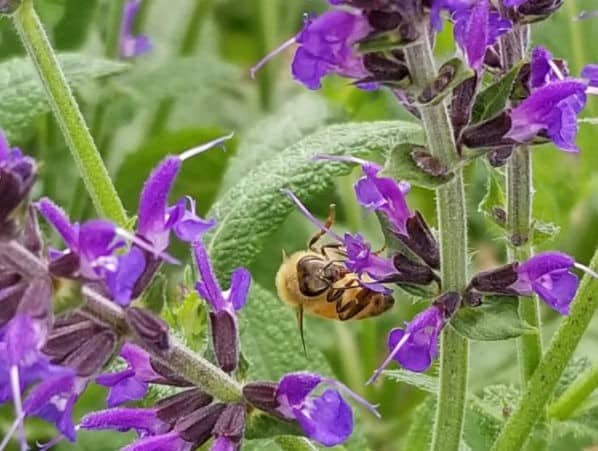
Mint purple flowers attract bees, butterflies, and hummingbirds. Their nectar provides essential food for these pollinators. Growing these plants supports local ecosystems naturally. Pollinators help increase fruit and vegetable yields nearby. Planting mint purple flowers encourages a healthy, balanced garden environment.
Where To Buy Mint Purple Flowers
Mint purple flowers bring fresh color and aroma to any garden. Finding these unique plants requires knowing the right places to shop. This guide helps you discover where to buy mint purple flowers easily. Choose from local or online options based on your needs and location.
Local Nurseries And Stores
Local nurseries often carry mint purple flowers in spring and summer. Visiting stores allows you to see plants before buying. Staff can offer advice on care and planting. Common nurseries include Home Depot and Bell Nursery. These places usually stock varieties like Himalayan mint and Moroccan mint. Prices range depending on plant size and type. Local shopping supports community businesses and ensures fresh plants.
Online Retailers
Online shops offer a wide selection of mint purple flowers year-round. Websites like Eden Brothers and Mountain Valley Growers provide detailed plant descriptions. Ordering online is convenient for rare or hard-to-find varieties. Some sellers offer delivery with care instructions. Check customer reviews before purchasing for quality assurance. Online shopping suits gardeners who want variety and ease.
Pricing And Availability
Prices for mint purple flowers vary by seller and plant type. At local stores, prices range from $6 to $60 per plant. Online prices can be higher due to shipping costs. Availability changes with seasons and demand. Early spring is the best time to buy. Planning ahead helps secure the best deals. Compare prices and stock to find suitable options.
Credit: www.grimmsgardens.com
Conclusion
Mint purple flowers add charm and fragrance to any garden space. Their soft colors attract bees and butterflies, helping nature thrive. Many varieties offer edible leaves and flowers, perfect for teas or cooking. Growing these plants is simple and rewarding for beginners.
Choose the right type for your climate and soil. Enjoy the beauty and benefits of mint purple flowers year-round. A lovely choice for gardeners seeking color and scent combined.
