



If you’ve ever wanted to add a fresh, citrusy touch to your cooking or enjoy a fragrant, leafy plant right on your balcony or patio, growing lemongrass in pots is a perfect choice for you. Not only does lemongrass bring a burst of flavor to your dishes, but it’s also surprisingly easy to grow—even if you don’t have a garden.
With the right pot, soil, and care, you can watch this hardy herb thrive right in your own space. Ready to discover how simple and rewarding it is to grow your own lemongrass? Keep reading, and you’ll learn all the essential tips to get started and keep your plant healthy all year round.
Credit: purplefoodie.com
Choosing The Right Pot
Choosing the right pot is crucial for growing healthy lemongrass in containers. The pot affects root growth, moisture, and overall plant health. A well-chosen pot supports strong stalks and vibrant leaves. Picking the correct size and material, along with proper drainage, ensures your lemongrass thrives.
Size And Material
Select a pot at least 12 inches wide and deep. Lemongrass roots need space to spread. A bigger pot holds more soil, which keeps moisture longer. Choose pots made of terracotta, plastic, or ceramic. Terracotta pots are breathable but dry out fast. Plastic pots retain moisture well and are lightweight. Ceramic pots look nice but can be heavy. Pick a pot that fits your space and watering habits.
Drainage Importance
Drainage holes are a must for lemongrass pots. They stop water from pooling at the bottom. Excess water can cause root rot and kill your plant. If your pot has no holes, drill some before planting. Add a layer of small stones or broken pottery at the bottom. This helps water flow and prevents soil from blocking holes. Good drainage keeps roots healthy and lemongrass growing strong.
Selecting Soil And Compost
Selecting the right soil and compost is crucial for growing lemon grass in pots. The soil must provide good drainage and enough nutrients for healthy growth. It should hold moisture without becoming soggy. Choosing quality soil and compost helps your lemon grass thrive in a container environment.
Potting Mix Essentials
Use a light, well-draining potting mix. A mix with peat, coconut coir, or bark works well. These materials hold moisture but allow excess water to drain away. Adding compost enriches the soil with nutrients. Compost also improves soil texture and water retention. A balanced potting mix supports root growth and plant health.
Avoiding Garden Soil
Do not use garden soil in pots. Garden soil is often too dense and can compact easily. This reduces air flow to the roots and causes waterlogging. Compacted soil leads to root rot and poor growth. Potting mixes are specially made to stay loose and airy. Using proper soil mix prevents problems and keeps lemon grass healthy.
Planting Lemongrass
Planting lemongrass in pots is a simple way to enjoy fresh herbs at home. It thrives well in containers and adds a fresh aroma to your space. Starting with the right method and placing your pots carefully helps lemongrass grow strong and healthy. Below are key steps to follow for planting lemongrass successfully in pots.
Starting From Cuttings
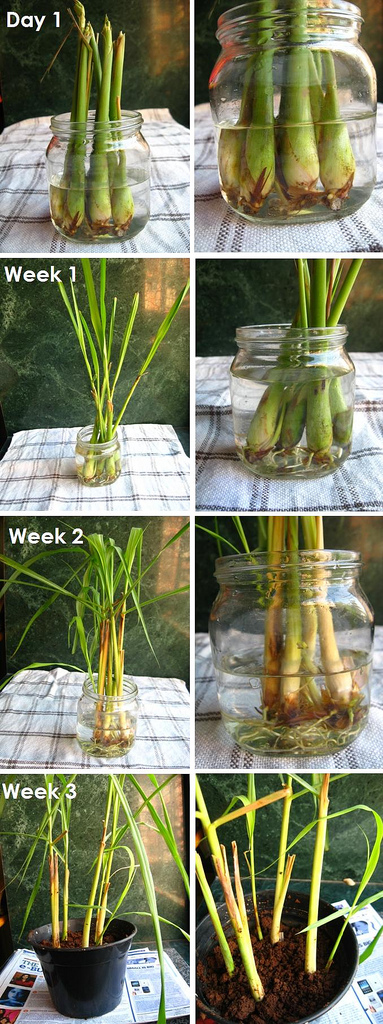
Begin by choosing healthy lemongrass stalks with roots. Cut the stalks about 6 inches long, including the base with small roots. Place cuttings in water for a few days until new roots appear. After roots grow well, plant the cuttings in potting soil. Use a well-draining potting mix to avoid waterlogging. Water the soil lightly after planting to help the roots settle.
Spacing And Positioning
Choose a pot that is at least 12 inches wide and deep. Space lemongrass stalks about 6 inches apart in the pot. This space allows the plant to grow without crowding. Position the pot in a sunny spot that gets 6 to 8 hours of sunlight daily. Lemongrass loves warmth and bright light for healthy growth. Avoid shaded or cold areas as they slow growth and may cause disease.
Sunlight And Temperature
Lemon grass thrives best with the right sunlight and temperature. These two factors greatly affect its growth and flavor. Ensuring proper light and warmth helps the plant stay healthy and strong. It also encourages new shoots and fuller leaves. Growing lemon grass in pots means you can control its environment more easily than in the ground.
Optimal Light Exposure
Lemon grass needs plenty of sunlight. It prefers full sun for at least six hours each day. Place your pot where it gets morning sun and some afternoon shade. This balance protects the leaves from burning.
Too little light causes slow growth and weak stems. The leaves may turn yellow or drop. Bright light keeps the plant vibrant and fragrant. Rotate the pot regularly to ensure even light on all sides.
Protecting From Wind
Wind can damage lemon grass leaves and dry out the soil quickly. A spot shielded from strong winds is best. Use walls, fences, or other plants to block harsh gusts.
Strong wind can also break stalks or cause stress. If needed, move the pot to a calmer place during windy days. Wind protection helps maintain moisture and supports steady growth.
Watering Routine
Watering is a vital part of growing lemon grass in pots. Proper watering keeps the plant healthy and supports steady growth. Potted lemon grass needs more frequent watering than ground-planted ones. The soil should stay moist but never soaked. Too little water causes the plant to dry out and wilt. Too much water leads to root problems and poor growth. A balanced watering routine helps your lemon grass thrive.
Daily Moisture Needs
Check the soil moisture every day by touching the top layer. If it feels dry, water the plant thoroughly until water drains out the bottom. In hot weather, lemon grass may need watering twice a day. Morning watering is best to reduce evaporation. Avoid letting the soil dry out completely. Keep the soil evenly moist for strong, healthy growth.
Signs Of Overwatering
Overwatered lemon grass shows yellowing or wilting leaves. The soil stays wet for a long time and may smell musty. Roots may become soft or rotten, causing poor plant health. Pots without drainage holes increase the risk of overwatering. Reduce watering frequency and improve drainage to save the plant. Always let the top inch of soil dry before watering again.
Credit: www.attainable-sustainable.net
Fertilizing Tips
Fertilizing lemongrass in pots helps keep it healthy and strong. Proper feeding supports steady growth and vibrant leaves. Choosing the right fertilizer and methods makes a big difference. Here are practical tips to feed your potted lemongrass effectively.
Balanced Fertilizer Use
Use a balanced fertilizer with equal parts nitrogen, phosphorus, and potassium. This mix supports leaf growth and root development. Feed your lemongrass every two to three months. Apply the fertilizer at the soil surface and water it in well. Avoid over-fertilizing to prevent leaf burn and weak stems. Slow-release fertilizers work well for steady nutrient supply.
Organic Mulching Benefits
Apply a thin layer of organic mulch on top of the soil. Mulch keeps the soil moist and cool. It also adds nutrients as it breaks down slowly. Use materials like shredded leaves, straw, or compost. Mulching reduces the need for frequent watering. It helps protect roots from temperature changes too. Organic mulch improves soil structure and supports healthy plant growth.
Pruning And Maintenance
Pruning and maintenance are essential to keep your lemongrass healthy in pots. Regular care helps the plant stay strong and productive. Removing old leaves and trimming helps the plant use energy better. This keeps the lemongrass fresh and encourages steady growth.
Shaping The Plant
Trim lemongrass leaves to control its size and shape. Cut the outer stalks near the base. This makes the plant look neat and tidy. Remove any yellow or dry leaves right away. Shaping the plant also improves air flow around it. Good air flow reduces the chance of disease.
Encouraging New Growth
Prune regularly to stimulate fresh shoots and leaves. Cutting back helps the plant focus on new growth. Use clean, sharp scissors to avoid damage. After pruning, water the plant well. Fertilize lightly to support healthy development. New growth means more leaves for cooking and fresh scents.
Harvesting Lemongrass
Harvesting lemongrass is an important step to enjoy its fresh, citrusy flavor. Knowing the right time and cutting method ensures healthy regrowth. Proper harvesting also helps maintain the plant’s vigor and productivity. Follow these simple tips to get the best results from your potted lemongrass.
When To Harvest
Harvest lemongrass after it grows about 12 inches tall. This usually takes four to five months. The stalks should be thick and firm to the touch. Choose mature outer stalks first, leaving the inner shoots to grow. Harvest in the morning for the best flavor. Avoid cutting too early as the stalks will be thin and weak.
Proper Cutting Techniques
Use sharp scissors or a knife to cut lemongrass stalks. Cut close to the base but avoid damaging the roots. Remove only a few stalks at a time to keep the plant healthy. Trim any dry or brown leaves during harvest. After cutting, water the plant well to support new growth. Store harvested stalks in a cool place or use immediately for cooking.
Winter Care For Potted Lemongrass
Potted lemongrass needs special care during winter to survive cold months. It is a tropical plant that does not tolerate frost. Protecting your lemongrass in winter ensures it stays healthy and ready for spring growth. Proper winter care helps prevent damage from cold and dryness.
Dormancy Preparation
Before winter arrives, reduce watering gradually. Stop fertilizing in late fall to slow growth. Trim back dead or yellow leaves to tidy the plant. Move the pot to a sheltered spot away from cold winds. Check the soil moisture regularly but avoid overwatering. Lemongrass enters dormancy and needs less water. This rest period helps the plant conserve energy.
Cool And Dim Storage
Place the potted lemongrass in a cool, dim area indoors. A spot with temperatures between 50-60°F (10-15°C) is best. Avoid bright sunlight to prevent stress on the dormant plant. Basements, garages, or unheated rooms work well if they stay above freezing. Ensure good air circulation to reduce mold risk. Keep the soil slightly moist but not wet during storage.
Credit: www.theprairiehomestead.com
Common Challenges
Growing lemongrass in pots is rewarding but comes with some common challenges. These issues can affect the health and growth of your plant. Understanding these problems helps you take better care of your lemongrass and enjoy a healthy harvest.
Pests And Diseases
Lemongrass in pots can attract pests like aphids and spider mites. These tiny insects suck the plant’s juices, causing yellow leaves and weak growth. Regularly check the leaves and stems for any signs of pests. Use mild insecticidal soap or neem oil to control infestations safely.
Fungal diseases may also occur due to high humidity or poor air circulation. Powdery mildew and root rot are common problems. Remove affected leaves and improve airflow around the plant. Avoid overhead watering to keep the leaves dry and prevent fungal growth.
Avoiding Waterlogging
Pots without proper drainage cause waterlogging, which harms lemongrass roots. Waterlogged soil leads to root rot and stunted growth. Always choose pots with drainage holes to let excess water escape. Use well-draining potting mix to keep the soil moist but not soggy.
Water your lemongrass only when the top inch of soil feels dry. Overwatering is a common mistake and weakens the plant. Proper watering helps your lemongrass thrive and stay healthy in pots.
Companion Planting
Companion planting helps lemon grass grow better in pots. Choosing the right neighbors can improve growth and protect the plant. Some plants support lemon grass by attracting beneficial insects or repelling pests. Others might compete for nutrients or attract harmful bugs. Knowing which plants to place nearby and which to avoid is important for a healthy pot garden.
Good Neighbors
Basil and mint work well with lemon grass. They share similar water and sunlight needs. These herbs can help keep pests away from lemon grass. Marigolds are also great because they attract ladybugs and other helpful insects. Planting these together creates a mini ecosystem that supports growth. Growing ginger nearby is beneficial too. It enjoys similar conditions and does not compete for space.
Plants To Avoid
Rosemary does not grow well with lemon grass. Both need different amounts of water and soil types. Sage also struggles next to lemon grass due to similar reasons. Avoid planting these herbs in the same pot. Tomatoes can attract pests that harm lemon grass. They may also take too many nutrients from the soil. Keep lemon grass away from heavy feeders to ensure it thrives.
Benefits And Uses
Lemon grass is a versatile plant that fits perfectly in pots. Growing it in containers lets you enjoy its benefits all year. This plant adds fresh aroma and flavor to your home and kitchen. It also offers health advantages that make it a great addition to any garden.
Its uses go beyond cooking, making it a useful herb to have close by. Here are some key benefits and uses of lemon grass grown in pots.
Culinary Applications
Lemon grass is popular in many dishes worldwide. Its citrusy flavor enhances soups, curries, and teas. You can chop the stalks finely or use whole pieces for broth. It pairs well with chicken, seafood, and vegetables. Fresh lemon grass adds a bright, tangy note to meals. Growing it in pots means you have fresh stalks anytime. It is easy to harvest and store for later use.
Health Considerations
Lemon grass contains antioxidants and compounds that may support digestion. It is often used in teas to soothe upset stomachs. Some people use it to help reduce inflammation and relieve stress. Using lemon grass in moderation is safe for most people. Large amounts might cause mild side effects like dizziness or dry mouth. Always test a small amount first if you have allergies or sensitivities.
Conclusion
Growing lemongrass in pots is simple and rewarding. Choose a pot with good drainage and use rich potting soil. Water your plant regularly to keep the soil moist. Feed it every few months with balanced fertilizer. Harvest the stalks carefully once they are tall and thick.
With basic care, your lemongrass will thrive and add fresh flavor to your kitchen. Enjoy the process and the fresh aroma right at your doorstep. Gardening in pots brings nature closer, even in small spaces.
