




Are you ready to bring a touch of calm and beauty to your garden? Planting lavender is one of the easiest and most rewarding ways to do just that.
With its soothing scent and vibrant purple blooms, lavender not only brightens up your outdoor space but also attracts pollinators like bees and butterflies. Whether you have a large garden or just a small patch, lavender can thrive with the right care.
In this guide, you’ll discover simple steps to plant lavender successfully, avoid common mistakes, and make your garden a fragrant haven you’ll love spending time in. Keep reading to unlock the secrets to growing stunning lavender that will impress your friends and relax your mind.
Choosing Lavender Varieties
Choosing the right lavender variety is key for a thriving garden. Each type offers unique colors, scents, and growth habits. Understanding these differences helps you pick the best lavender for your space and climate.
Consider how much sun your garden gets and the soil type. Some lavenders prefer dry, well-drained soil. Others can handle more moisture or heat. Matching the variety to your environment leads to healthier plants and more blooms.
English Lavender
English lavender is the most popular type for gardens. It has soft purple flowers and a strong, sweet scent. This variety grows well in cooler climates and tolerates some frost. English lavender prefers full sun and well-drained soil. It is perfect for borders or herb gardens.
French Lavender
French lavender has narrow, gray-green leaves and unique, fragrant flower heads. It thrives in warmer climates and can handle some heat. This type blooms longer than English lavender. French lavender is great for pots and rock gardens. It adds a lovely texture to any garden space.
Spanish Lavender
Spanish lavender features dark purple flowers and woody stems. It is very hardy and grows well in hot, dry conditions. This lavender has a strong aroma but less sweet than English types. Spanish lavender attracts bees and butterflies. It suits gardens with poor soil and full sun.
Hybrid Varieties
Hybrid lavenders blend traits from different types. They often combine hardiness with beautiful blooms. These varieties can resist disease better and last longer. Hybrid lavenders come in many colors, from pale pink to deep purple. They are ideal for gardeners wanting unique plants.
Best Time To Plant
Choosing the best time to plant lavender is key for a healthy garden. Lavender thrives in warm soil and plenty of sunlight. Planting too early or too late can stress the plant and slow growth. Timing your planting right helps lavender establish strong roots before harsh weather.
Late Spring Planting
Late spring is the best time to plant lavender. The soil is warm enough for roots to grow well. Planting in April or May gives lavender time to settle before summer heat. This timing also reduces the risk of frost damage to young plants.
Climate Considerations
Consider your local climate before planting lavender. Lavender prefers dry, sunny spots with good air flow. In hot climates, plant in a spot with afternoon shade. In cooler areas, choose the warmest, sunniest location in your garden. Adjust planting time to match your region’s weather patterns.
Frost Avoidance
Young lavender plants are sensitive to frost. Wait until all danger of frost has passed before planting outdoors. Frost can kill tender shoots and stunt growth. Use a soil thermometer or local frost dates to guide your planting schedule. Protect new plants with covers if unexpected cold snaps occur.
Site Selection
Choosing the right site for planting lavender sets the stage for healthy growth. Lavender thrives best in locations that meet its specific needs. Careful site selection helps the plant avoid stress and disease. The key factors to consider are sunlight, soil type, and moisture levels.
Sunlight Requirements
Lavender needs full sun to flourish. A spot that gets at least six hours of direct sunlight daily is ideal. Sunlight boosts flower production and keeps the plant strong. Lack of sun can cause weak growth and fewer blooms.
Soil Type And Drainage
Lavender prefers well-drained soil with a sandy or loamy texture. Heavy clay or waterlogged soils harm the roots. Good drainage prevents root rot and promotes healthy roots. Adding sand or small gravel can improve drainage in poor soils.
Avoiding Shade And Moisture
Shade slows lavender’s growth and reduces flowering. Choose a place away from large trees or buildings that cast shadows. Excess moisture invites fungal diseases. Plant lavender in raised beds or slopes to help water drain away quickly.
Soil Preparation
Preparing the soil is a key step before planting lavender. Healthy soil helps lavender grow strong and fragrant. The right soil conditions prevent root problems and support long-lasting plants.
Lavender prefers soil that drains well and has a neutral to slightly alkaline pH. Adjusting your garden soil can improve plant health and flower production. Start by testing the soil and making changes where needed.
Testing Soil Ph
Use a simple soil test kit to check the pH level. Lavender grows best in soil with a pH between 6.5 and 7.5. If the soil is too acidic, plants may struggle. Testing helps you know if you need to add lime or other materials.
Improving Drainage
Lavender roots dislike standing water. Good drainage is essential to prevent root rot. Add sand or small gravel to heavy clay soils. Raised beds also improve drainage and keep roots dry.
Adding Amendments
Mix organic matter like compost into the soil. It improves soil texture and provides nutrients. Avoid rich, heavy fertilizers that can cause excessive leaf growth. A light, balanced amendment helps lavender thrive.
Planting Techniques
Planting lavender correctly sets the stage for a healthy garden. Good techniques help lavender thrive and bloom beautifully. Understanding spacing, depth, and watering is key to success.
Spacing Between Plants
Give lavender enough space to grow. Plant each lavender at least 12 to 18 inches apart. This distance allows air to flow well and prevents disease. Crowding plants can cause poor growth and weak flowers. Proper spacing ensures each plant gets sunlight and nutrients.
Planting Depth
Plant lavender at the right depth for strong roots. Set the plant so the top of the root ball is level with the ground. Avoid planting too deep or too shallow. Deep planting can cause root rot. Shallow planting may dry out roots quickly. The correct depth helps the plant establish faster.
Watering After Planting
Water lavender immediately after planting to settle the soil. Use enough water to moisten roots deeply. Keep soil slightly moist during the first weeks. Avoid overwatering, as lavender prefers dry conditions. Once established, water lavender only when soil is dry. Proper watering supports healthy root growth and prevents stress.
:max_bytes(150000):strip_icc()/french-lavender-growing-guide-5194430-hero-817e5b2952d34289b6fbc37fcfc27f9a.jpg)
Credit: www.thespruce.com
Watering And Maintenance
Proper watering and maintenance keep lavender healthy and vibrant. These plants thrive with care that fits their natural needs. Understanding how often to water, how to mulch, and when to prune makes a big difference. Follow these simple steps to help your lavender grow strong.
Watering Schedule
Water lavender deeply but infrequently. Let the soil dry out between watering. Overwatering causes root rot and weak plants. During the first growing season, water twice a week. After establishment, reduce to once every two weeks. Adjust watering based on rainfall and temperature.
Mulching Tips
Apply a thin layer of mulch around lavender plants. Use gravel or small stones to improve drainage. Avoid thick organic mulch that holds moisture. Mulching helps keep soil temperature stable. It also reduces weeds and protects roots in winter.
Pruning For Growth
Prune lavender yearly to keep it bushy and healthy. Trim back about one-third of the plant in early spring. Remove dead or woody stems to encourage new growth. Avoid cutting into old wood without leaves. Proper pruning promotes more blooms and better shape.
Fertilizing Lavender
Fertilizing lavender supports strong growth and vibrant blooms. Lavender thrives best with balanced nutrients. Proper feeding improves plant health and fragrance. Avoid heavy feeding, which can harm lavender.
Nutrient Needs
Lavender prefers soil with low to medium nutrients. It does not need rich soil. Too much nitrogen makes stems weak. Focus on phosphorus and potassium for flowers. A balanced fertilizer with low nitrogen works well.
Using Organic Fertilizers
Organic fertilizers feed plants gently and improve soil health. Compost or well-rotted manure adds nutrients slowly. Bone meal helps root development and flowering. Organic options reduce risk of overfeeding. They keep lavender healthy and natural.
Avoiding Overfeeding
Too much fertilizer causes leggy growth and fewer blooms. Feed lavender only in early spring or after pruning. Skip feeding in late summer or fall. Always follow package directions for amounts. Less is more with lavender feeding.
Companion Plants To Avoid
Choosing the right companion plants for lavender is important for a healthy garden. Some plants do not grow well near lavender. These plants can affect lavender’s growth and health. Avoid planting lavender next to certain types of plants to keep it thriving.
Water-loving Plants
Lavender prefers dry soil. Water-loving plants like mint, hydrangeas, and hostas need a lot of moisture. Their wet roots can cause lavender to rot. Avoid planting these near lavender to prevent root diseases.
Shade-loving Plants
Lavender loves full sun. Shade-loving plants such as ferns, impatiens, and camellias need less light. These plants can create shade and reduce sunlight for lavender. This lowers lavender’s ability to bloom well.
Acid-loving Plants
Lavender prefers neutral to alkaline soil. Acid-loving plants like rhododendrons, azaleas, and blueberries need acidic soil. Planting them near lavender can change soil pH. This harms lavender’s growth and flower production.
Heavy Feeders
Lavender thrives in poor soil with few nutrients. Heavy feeders like tomatoes, cabbage, and corn use many nutrients. They compete with lavender for food. This can weaken lavender and reduce its growth.
Pest And Disease Control
Keeping lavender healthy means watching for pests and diseases. These problems can weaken your plants and reduce their beauty. Knowing common pests and fungal diseases helps you protect your lavender. Acting early can keep your garden thriving and fragrant.
Common Pests
Aphids often attack lavender, feeding on new growth. They cause leaves to curl and stunt plant growth. Whiteflies and spider mites can also bother lavender by sucking plant juices. These pests leave a sticky residue that attracts mold. Watch for small insects on leaves and stems regularly.
Fungal Diseases
Lavender can get fungal infections, especially in damp conditions. Root rot happens when soil stays wet too long. It causes plants to wilt and die back. Powdery mildew shows as white powder on leaves and stems. These diseases slow growth and make plants weak.
Preventive Measures
Plant lavender in well-draining soil to prevent root rot. Space plants to allow good air flow and reduce moisture. Water lavender at the base, not on leaves, to avoid fungal spores. Remove any dead or diseased parts quickly to stop spread. Use natural insect sprays to control pests safely. Regularly check plants to catch problems early.
Credit: www.homedepot.com
Harvesting Lavender
Harvesting lavender is a rewarding part of growing this fragrant plant. It lets you enjoy its scent and beauty beyond the garden. Proper harvesting ensures healthy plants and rich fragrance in your bundles. Timing and technique matter a lot. Follow the steps below to get the best results from your lavender harvest.
Best Time To Harvest
Harvest lavender just as the buds open, not fully bloomed. This stage holds the most fragrance and oils. Early morning, after dew dries, is best. Avoid harvesting in wet or rainy weather. Choose a dry, sunny day to keep flowers fresh and prevent mold.
Cutting Techniques
Use sharp garden scissors or pruning shears for clean cuts. Cut stems about one-third from the top, above leaf growth. Leave some green growth to help the plant regrow. Harvest in small bunches to avoid damaging the plant. Handle stems gently to keep flowers intact.
Drying And Storing
Bundle lavender stems and tie them with a string or rubber band. Hang bundles upside down in a dark, dry, and well-ventilated area. Drying takes about two weeks. Check bundles regularly for mold or dampness. Store dried lavender in airtight containers away from direct sunlight.
Using Lavender In The Garden
Using lavender in your garden brings many benefits beyond its lovely scent. Lavender adds beauty, attracts helpful insects, and fills the air with a calming aroma. Planting lavender creates a peaceful and inviting outdoor space. It works well in flower beds, borders, and even containers.
Aromatic Benefits
Lavender’s scent is fresh and soothing. It helps reduce stress and creates a relaxing garden atmosphere. You can enjoy its fragrance while gardening or sitting outside. Dried lavender also works well in sachets and potpourris to scent your home naturally.
Attracting Pollinators
Lavender flowers attract bees, butterflies, and other pollinators. These insects help your garden grow healthy fruits and vegetables. Planting lavender near crops supports pollination and boosts harvests. It also encourages wildlife, making your garden lively and full of life.
Decorative Uses
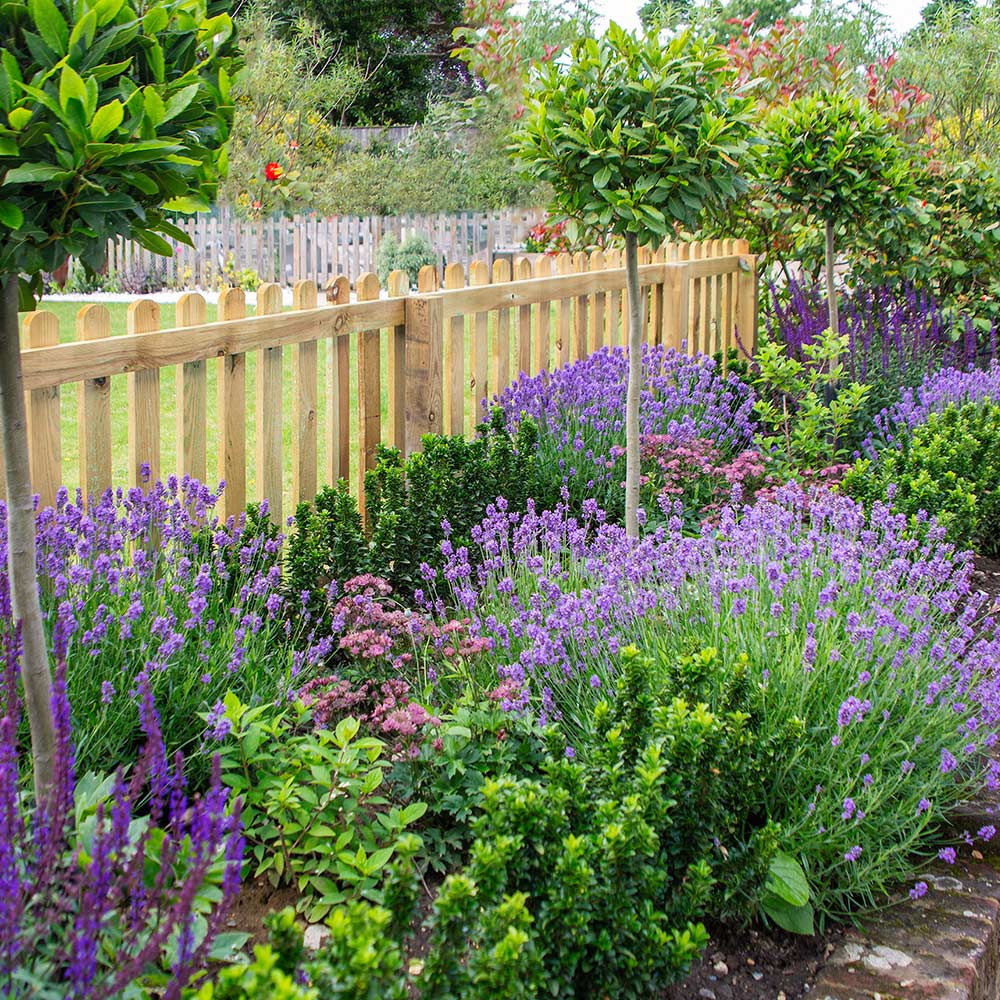
Lavender’s purple flowers add color and texture to garden beds. Its gray-green leaves create a nice contrast with other plants. Use lavender to edge pathways or surround patios for a neat look. It also looks great in mixed borders or as a low hedge around garden spaces.
Growing Lavender In Containers
Growing lavender in containers suits small spaces and patios. It keeps the plant controlled and easy to move. You can enjoy lavender’s scent and beauty close to your home. Container gardening also helps protect lavender from poor soil or pests in the ground.
Choosing Containers
Select containers with good size and weight. Lavender roots need room to grow. Use pots at least 12 inches wide and deep. Clay or terracotta pots work best. They allow air to reach the roots. Avoid plastic pots that trap moisture.
Soil Mix For Pots
Use well-draining soil to prevent root rot. Mix potting soil with sand or perlite. This creates loose soil that dries quickly. Lavender prefers slightly alkaline soil. Add a little lime if your soil is too acidic. Avoid heavy garden soil that holds water.
Watering And Drainage
Water lavender only when the soil feels dry. Overwatering causes root problems. Ensure containers have drainage holes. Let excess water escape easily. Place pots on a saucer to catch runoff but empty it regularly. Good drainage keeps roots healthy and plants happy.
Credit: www.gardendesign.com
Conclusion
Planting lavender adds beauty and fragrance to any garden space. Choose a sunny spot with well-drained soil for best results. Water plants carefully, avoiding overwatering to keep roots healthy. Prune regularly to encourage fuller growth and more blooms. Keep lavender away from moisture-loving and shade plants to prevent problems.
With simple care, lavender thrives and attracts pollinators like bees and butterflies. Enjoy the calming scent and lovely purple flowers all season long. Gardening with lavender brings joy and a peaceful garden atmosphere.
