




Imagine having fresh, fragrant herbs right at your fingertips, no matter the season or weather outside. Growing herbs indoors is not only simple but also incredibly rewarding, adding vibrant flavors and aromas to your cooking while brightening up your living space.
Whether you’re a beginner or someone looking to expand your green thumb, you’ll discover that some herbs are surprisingly easy to nurture indoors. In this guide, you’ll learn which herbs thrive with minimal effort and how to create the perfect indoor environment for them.
Ready to bring a touch of nature inside and enjoy fresh herbs all year round? Keep reading to find out how!

Credit: www.reddit.com
Top Easy Herbs
Growing herbs indoors brings fresh flavors to your kitchen all year. Some herbs adapt easily to indoor conditions. These herbs need bright light, good soil, and proper watering. Choose herbs that grow well in pots and do not require complex care.
Below are top easy herbs for indoor growing. Each offers unique benefits and simple care tips. These herbs add aroma and taste to your cooking and drinks.
Basil Benefits
Basil grows fast and has a sweet, fresh flavor. It brightens salads, pasta, and sauces. Basil also has natural oils that may reduce inflammation. It thrives in sunlight and moist soil. Pinch leaves often to encourage bushy growth.
Mint Varieties
Mint is very hardy and spreads quickly. Peppermint and spearmint are popular types. Mint adds a cool taste to teas and desserts. It grows well in water or soil indoors. Keep mint in a separate pot to control its growth.
Oregano Care
Oregano prefers dry soil and lots of sunlight. It has a strong, spicy flavor for cooking. Oregano is drought-tolerant and easy to maintain. Water only when soil feels dry to touch. Trim regularly to keep the plant healthy.
Thyme And Rosemary
Thyme and rosemary are Mediterranean herbs that like dry conditions. Thyme has small leaves and a mild flavor. Rosemary has needle-like leaves and a pine scent. Both need bright light and well-draining soil. Avoid overwatering to prevent root rot.
Parsley And Sage
Parsley grows well in indirect light and moist soil. It adds a fresh, slightly peppery taste to dishes. Sage has soft, velvety leaves and a strong aroma. Sage prefers dryer soil and bright light. Both herbs benefit from regular harvesting.
Chives Uses
Chives have a mild onion flavor perfect for salads and soups. They grow from bulbs and need plenty of light. Chives regrow quickly after cutting. Use scissors to snip leaves close to the base. Their flowers are edible and add color to dishes.

Credit: plyvinecatering.co.uk
Light Needs
Light plays a key role in growing healthy indoor herbs. Most herbs need bright, natural light to thrive. Without enough light, herbs grow weak and leggy. Understanding the light needs helps you pick the best spot for your indoor garden.
Best Window Placement
South-facing windows receive the most sunlight during the day. These spots are ideal for herbs like basil, rosemary, and thyme. East or west-facing windows can work too but offer less light. Avoid north-facing windows as they get little sun.
Sunlight Duration
Herbs need at least six hours of direct sunlight daily. Some herbs tolerate less light but grow slower. Watch your plants for signs of too little light, such as pale leaves or slow growth. Rotate pots to give all sides equal sun exposure.
Supplemental Lighting Options
Use grow lights to boost light when natural sun is low. LED or fluorescent bulbs work well for herbs. Place lights about 6-12 inches above plants. Set a timer for 12-16 hours of light per day to mimic natural conditions.
Soil And Pots
Growing herbs indoors requires the right soil and pots to thrive. These elements support healthy roots and proper moisture levels. Choosing the correct soil and pot can improve growth and flavor. Understanding drainage and pot size also helps herbs stay strong and vibrant.
Choosing Potting Soil
Use potting soil designed for indoor plants. It has a light texture and good nutrients. Avoid garden soil because it is too dense and may carry pests. Look for soil that drains well but holds some moisture. Herbs prefer soil that is loose and airy.
Drainage Essentials
Drainage keeps roots from sitting in water. Pots must have holes at the bottom to let water escape. Place a tray under the pot to catch excess water. This prevents root rot and keeps herbs healthy. Good drainage also helps avoid mold and fungus.
Pot Sizes And Materials
Choose pots that match the size of your herb. Small herbs need smaller pots to avoid too much soil moisture. Larger herbs need bigger pots with room for roots to grow. Clay pots allow air to reach roots but dry out faster. Plastic pots hold moisture longer but may need careful watering.
Credit: platthillnursery.com
Watering Tips
Watering herbs indoors requires balance and attention. Too much or too little water can harm your plants. Knowing how to water your herbs well keeps them healthy and vibrant. This section shares simple tips to help you water your indoor herbs correctly.
Signs Of Overwatering
Leaves turn yellow and feel soft or mushy. Soil stays wet for days without drying. Roots may start to smell bad or look dark and slimy. Mold or fungus can appear on the soil surface. Overwatered herbs often stop growing and look weak.
Watering Frequency
Check soil moisture before watering. Stick your finger about one inch into the soil. Water only if the soil feels dry at that depth. Most indoor herbs need watering once or twice a week. Adjust frequency based on pot size, light, and temperature.
Mediterranean Herbs Watering
Herbs like rosemary, thyme, and oregano prefer less water. Let their soil dry out between watering sessions. These herbs come from dry, sunny climates and do not like soggy soil. Water them lightly and less often to keep roots healthy.
Space Management
Managing space effectively is key to growing healthy herbs indoors. Limited room means careful planning and smart placement. Proper space management helps each herb get enough light, air, and nutrients. It also keeps your indoor garden neat and productive. Here are some tips for managing space with your indoor herbs.
Preventing Overgrowth
Herbs can grow fast and crowd each other out. Regular pruning keeps plants healthy and prevents overgrowth. Trim back leaves and stems to encourage new growth. Remove dead or yellowing parts to keep plants tidy. Overgrown herbs block light and reduce air circulation, causing problems.
Separate Pots For Invasive Herbs
Some herbs spread quickly and take over pots. Mint and lemon balm are examples of invasive herbs. Plant these in their own pots to stop them from choking other herbs. Separate pots also make it easier to control watering and soil needs. This keeps your indoor garden balanced and thriving.
Arranging Multiple Herbs
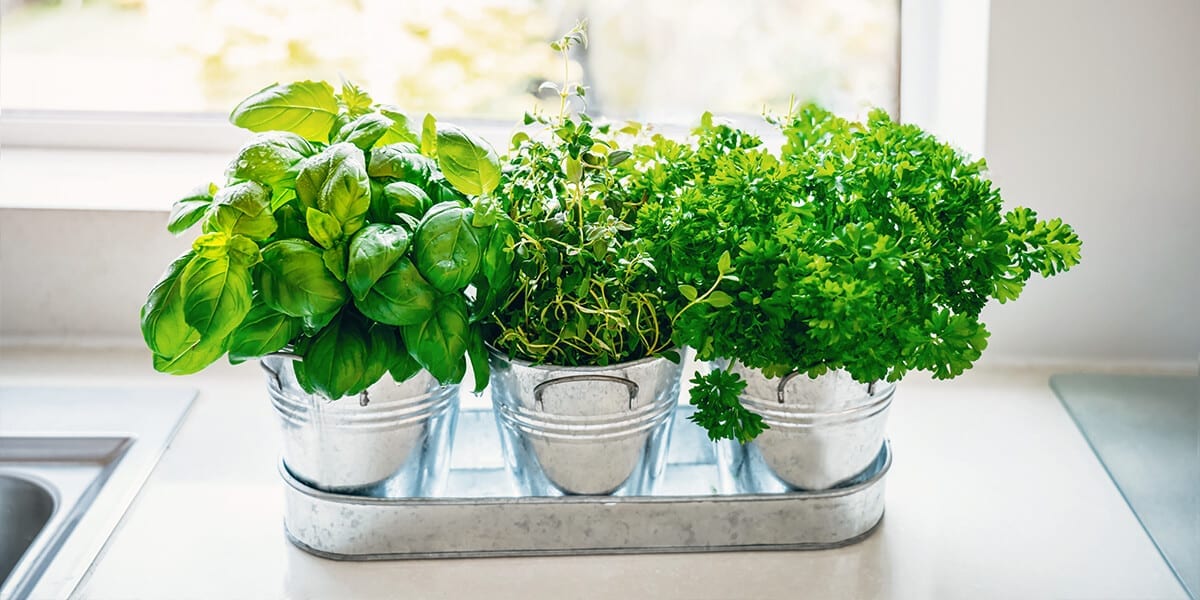
Place taller herbs at the back or corners of your space. Put shorter herbs in front for better light access. Group herbs with similar water and light needs together. Use shelves or plant stands to add vertical space. This maximizes your growing area and keeps herbs healthy.
Year-round Growth
Growing herbs indoors allows fresh flavors anytime. Year-round growth means having herbs ready through all seasons. It requires consistent care and the right environment. Indoor gardens avoid harsh outdoor weather and pests. This section explains how to keep herbs thriving all year long.
Maintaining Indoor Conditions
Herbs need sunlight to grow well indoors. Place pots near a window with six hours of light. Use grow lights if natural light is low. Keep room temperature between 65°F and 75°F for best results. Maintain good air circulation to prevent mold and mildew. Water herbs when the soil feels dry to touch. Avoid overwatering to stop root rot. Use pots with drainage holes for water to escape.
Seasonal Adjustments
Season changes affect indoor light and temperature. In winter, increase light by using grow lamps. Move herbs closer to windows to catch more sun. Reduce watering as herbs grow slower in cold months. In summer, avoid placing herbs in direct afternoon sun. Open windows for fresh air but avoid drafts. Rotate pots weekly for even light exposure.
Pest Control Indoors
Indoor herbs can attract pests like aphids and spider mites. Check leaves regularly for small bugs or webbing. Use a spray bottle with mild soap and water to remove pests. Neem oil is a natural option for pest control. Keep plants clean by removing dead leaves. Avoid overcrowding to reduce pest spread. Quarantine new plants before adding them to your herb garden.
Conclusion
Growing herbs indoors is simple and rewarding for everyone. Choose herbs like basil, mint, or oregano for easy care. Place them in sunny spots with good soil and proper watering. Watch your plants thrive and enjoy fresh herbs anytime. With a little effort, your indoor garden will flourish beautifully.
Start today and bring green freshness inside your home.
