




Imagine having fresh, fragrant herbs right at your fingertips while cooking your favorite meals. A herb garden countertop lets you do exactly that—bringing nature’s best flavors into your kitchen without taking up much space.
Whether you have a tiny apartment or a spacious kitchen, growing your own herbs on the countertop is simple, rewarding, and saves you trips to the store. You’ll discover easy tips and smart choices to create a thriving herb garden right where you cook, helping you enjoy fresher food and a touch of green every day.
Ready to turn your countertop into a mini herb paradise? Let’s dive in!
Choosing Containers
Choosing the right containers is key for a thriving countertop herb garden. Containers hold your herbs and affect their growth and health. The right pots help herbs grow strong and stay healthy in your kitchen space. Consider size, shape, and material carefully to match your herbs’ needs and countertop style.
Drainage Importance
Drainage is vital to prevent water buildup. Excess water causes root rot and kills plants fast. Choose containers with drainage holes at the bottom. These holes let extra water escape easily. If your pot lacks holes, add a layer of small stones at the base to help drainage. Good drainage keeps soil moist but not soggy.
Container Materials
Containers come in many materials like ceramic, plastic, metal, and wood. Ceramic pots look nice and keep soil cool but can be heavy. Plastic pots are light and cheap but may dry out soil quickly. Metal containers heat up fast and may harm roots in direct sun. Wooden pots offer natural insulation but need sealing to prevent rot. Pick materials that fit your kitchen and care routine.
Selecting Potting Mix
Choosing the right potting mix is key for a healthy countertop herb garden. The soil holds water, nutrients, and air for the roots. Poor soil can stunt plant growth or cause root diseases. Good potting mix supports strong herbs and a thriving garden.
Avoid Outdoor Soil
Outdoor soil often contains pests and diseases harmful to indoor plants. It may also have weeds or debris that slow growth. Garden soil can be too dense for pots, causing poor drainage. Using outdoor soil can lead to root rot and poor plant health.
Potting mix designed for indoor plants is lighter and cleaner. It allows air and water to reach roots easily. Avoid using soil from your yard to keep herbs safe and growing well.
Best Mix Types
Choose a potting mix with good drainage and moisture retention. Look for blends containing peat moss, coconut coir, and perlite or vermiculite. These ingredients help hold water and air, creating a healthy root zone.
Some mixes include slow-release fertilizers, which feed herbs over time. Avoid mixes with added lime or high salts as they can harm delicate herbs. A high-quality, well-draining potting mix ensures your countertop herbs get the best start.
Ideal Herb Placement
Placing herbs correctly on your countertop garden helps them grow strong and healthy. Each herb has specific needs for light and space. Understanding these needs makes your herb garden thrive indoors.
Proper placement ensures your herbs get the right amount of sunlight and stay fresh longer. Small changes in location can improve growth and flavor.
Sunlight Needs
Most herbs need at least 6 hours of sunlight daily. Herbs like basil, rosemary, and thyme prefer full sun. Others, such as mint and parsley, can tolerate partial shade. Avoid placing herbs in dark corners. Rotate pots regularly to give all plants equal light. Sunlight boosts photosynthesis, leading to healthier leaves and stronger stems.
Window Orientation
South-facing windows offer the most sunlight, ideal for sun-loving herbs. East-facing windows provide gentle morning light, good for herbs needing less intense sun. West-facing windows get afternoon sun but can be hot, so watch for leaf burn. North-facing windows provide limited light, suitable only for shade-tolerant herbs. Adjust placement based on your kitchen’s window directions for best results.
Credit: watexgreenliving.com
Watering And Maintenance
Proper watering and maintenance keep your countertop herb garden healthy and thriving. Herbs need just the right amount of water and care to grow well indoors. Overwatering or neglect can harm them quickly. Understanding when to water and how to care for each plant helps your herbs stay fresh and strong.
When To Water
Check the soil daily to know when to water. Water your herbs only when the top inch of soil feels dry. Avoid watering on a fixed schedule. Different herbs need different amounts of water. Use a spray bottle or small watering can for gentle watering. Make sure water drains well to prevent root rot.
Rotating Plants
Turn your herb pots regularly to give each plant equal light. Rotating helps plants grow evenly and prevents them from leaning toward the light. Do this every few days. This simple step improves air flow and reduces the risk of mold or pests. Keep your herbs growing strong and healthy with regular rotation.
Fertilizing Tips
Fertilizing your countertop herb garden helps keep plants healthy and growing strong. Herbs need nutrients to thrive but too much fertilizer can harm them. Feeding herbs lightly supports steady growth without overwhelming their roots.
Light Feeding
Use a diluted liquid fertilizer every 3 to 4 weeks. Choose a balanced formula with equal parts nitrogen, phosphorus, and potassium. Too much nitrogen makes leaves grow fast but weakens flavor. Apply fertilizer only when the soil feels dry. Avoid overfeeding to prevent leaf burn and root damage.
Organic Options
Organic fertilizers enrich soil naturally and improve herb taste. Try compost tea or fish emulsion for gentle nutrient boosts. Worm castings also add minerals and help soil stay moist. These options feed herbs slowly and reduce chemical buildup. Organic feeding suits small countertop gardens well.

Credit: www.gardenista.com
Comparing Grow Kits
Choosing the right grow kit makes a big difference for your countertop herb garden. Grow kits simplify planting and caring for herbs indoors. They offer different features to suit various needs and skill levels. Comparing popular options helps find the best fit for your kitchen and lifestyle.
Two top grow kits stand out for countertop herb gardens: Click & Grow and AeroGarden. Each has unique benefits and design choices. Understanding these features helps you pick a kit that grows healthy herbs easily.
Click & Grow Features
Click & Grow uses smart soil pods with nutrients built-in. These pods need only water to help herbs grow. The system controls light and watering automatically. It works quietly, making it ideal for small spaces and busy kitchens.
This kit is very beginner-friendly. It requires little attention beyond refilling water. The pods limit root space, so large plants may not grow as big. Still, it works well for common herbs like basil and parsley. Its simple setup suits users wanting a low-maintenance herb garden.
Aerogarden Advantages
AeroGarden uses a hydroponic system with liquid nutrients and a water pump. This method allows more control over plant growth. You can adjust nutrients and light to boost yields. It supports larger plants better than pod systems.
The pump creates some noise, but it helps deliver oxygen to roots. This kit suits gardeners who enjoy customizing care and growing bigger herbs. It may need more attention but rewards with faster and fuller growth. AeroGarden offers various models with different sizes and features.
Choosing The Right System
Choosing the right countertop herb garden system affects your gardening success. The system must fit your space, lifestyle, and skill level. Some systems are simple, while others offer more control and features. Understanding your needs helps select the best option for fresh herbs at home.
Beginner Friendly Options
Beginner systems focus on ease and low maintenance. They often use soil pods or capsules that contain nutrients. These kits require only water and light to grow herbs. They fit small spaces and need little attention. Ideal for those new to gardening or with busy schedules.
These systems usually have simple controls and quiet operation. They avoid complicated setups or extra nutrient mixing. Herbs grow well enough for daily cooking needs. Perfect for kitchens or apartments with limited sunlight.
Advanced Grower Choices
Advanced systems offer greater control of growing conditions. They often use hydroponics, where plants grow in water with added nutrients. These systems include pumps, lights, and timers. They allow customization of nutrient levels and light cycles.
Advanced setups suit gardeners who want higher yields or to grow many herbs. They require more care and knowledge but reward with better growth. These systems fit larger countertops and may produce herbs faster. Good for hobbyists or serious indoor gardeners.

Credit: www.gardenista.com
Herb Varieties For Indoors
Choosing the right herb varieties for an indoor countertop garden makes all the difference. Some herbs thrive easily in small spaces with little fuss. Others need more attention and specific conditions to flourish. Understanding these differences helps you create a vibrant, healthy herb garden right in your kitchen.
Easy-to-grow Herbs
Basil, mint, and parsley are perfect for beginners. They grow well with moderate sunlight and regular watering. These herbs adapt easily to indoor conditions. Chives and cilantro also do well on a sunny countertop. Their fast growth means you can harvest fresh leaves often. These herbs add flavor to dishes and freshen the air.
Herbs Requiring Special Care
Rosemary and thyme need more light and less water. They prefer dry soil and bright, direct sunlight. Lavender also falls into this group, needing good airflow and well-drained soil. Bay leaves require patience, growing slowly but rewarding with rich flavor. These herbs may need occasional misting or extra fertilizer. Proper care ensures they stay healthy and fragrant indoors.
Maximizing Space
Creating an herb garden on your countertop is a smart way to enjoy fresh herbs every day. Space can be limited in kitchens, so using clever methods helps you grow more herbs without crowding your counter. Maximizing space means fitting many plants in small areas while keeping them healthy and easy to access. Small changes can make a big difference in your countertop garden’s success.
Vertical Gardens
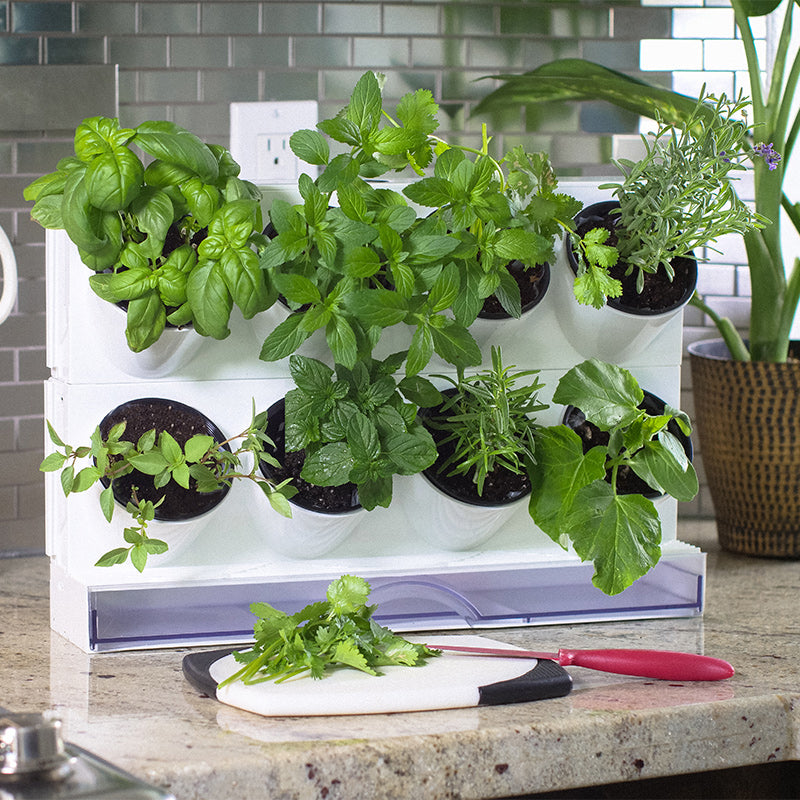
Vertical gardens use height instead of floor space. You can hang pots or use stacked containers to grow herbs upwards. This method frees up counter space and adds a green wall effect. Vertical gardens allow good airflow and light for each plant. They work well in kitchens with limited counter area. Herbs like basil, thyme, and mint thrive in vertical setups.
Compact Arrangements
Compact arrangements group small pots closely but avoid crowding. Use containers of different sizes to fit herbs with various root needs. Choose shallow pots for herbs with small roots. Arrange plants by height, placing taller herbs at the back. This layout keeps all herbs visible and easy to reach. Compact designs make your countertop look neat and organized. They also help herbs grow better by reducing competition for light.
Troubleshooting Common Issues
Growing herbs on your countertop is rewarding but can face challenges. Common issues may affect plant health and growth. Troubleshooting helps keep your herbs thriving and fresh. Focus on two key problems: pests and root rot. Proper care avoids these problems and saves your plants.
Pest Management
Pests can harm your herbs quickly. Watch for small bugs like aphids, spider mites, or fungus gnats. Inspect leaves and stems regularly. Remove pests by wiping leaves with a damp cloth. Use mild soap spray made for plants if needed. Avoid harsh chemicals near edible herbs. Keep the area clean and dry to prevent infestations. Healthy plants resist pests better.
Preventing Root Rot
Root rot happens when soil stays too wet. It causes roots to decay and plants to wilt. Use pots with drainage holes to let water escape. Water herbs only when the top inch of soil feels dry. Avoid overwatering by checking moisture daily. Use well-draining potting mix designed for indoor plants. Good airflow around pots helps keep roots healthy. Catch root rot early by checking roots if plants look weak.
Conclusion
Creating a countertop herb garden brings fresh flavors right to your kitchen. It saves space and adds greenery indoors. Choose pots with good drainage and place them where sunlight shines. Water your herbs when soil feels dry and feed them lightly.
A small herb garden can brighten meals and your home. Enjoy the simple joy of growing your own herbs daily.
