




Imagine stepping out onto your balcony and being greeted by the fresh scent of basil, mint, or rosemary. Growing your own herb garden right outside your door is easier than you think—and it can transform your cooking, your space, and your mood.
Whether you have a small city balcony or a cozy patio, you can create a vibrant, green oasis filled with flavorful herbs. In this guide, you’ll discover simple steps to start your balcony herb garden, choose the best plants, and keep them thriving all year long.
Ready to bring nature closer and add fresh flavors to your meals? Let’s get started!
Choosing Herbs
Starting a herb garden on your balcony begins with choosing the right herbs. Herbs vary in size, sunlight needs, and care. Picking herbs that suit your space and climate makes growing easier and more enjoyable.
Think about how you will use the herbs. Fresh cooking herbs like basil and parsley are popular choices. Some herbs grow well in small pots, while others need more room.
Popular Herbs
Basil, mint, and parsley are great for beginners. They grow fast and add fresh flavor to meals. Oregano and thyme are also easy to care for and stay compact.
Rosemary and sage are woody herbs that need more space and sunlight. Chives and dill grow well in containers and add variety to your garden.
Space Considerations
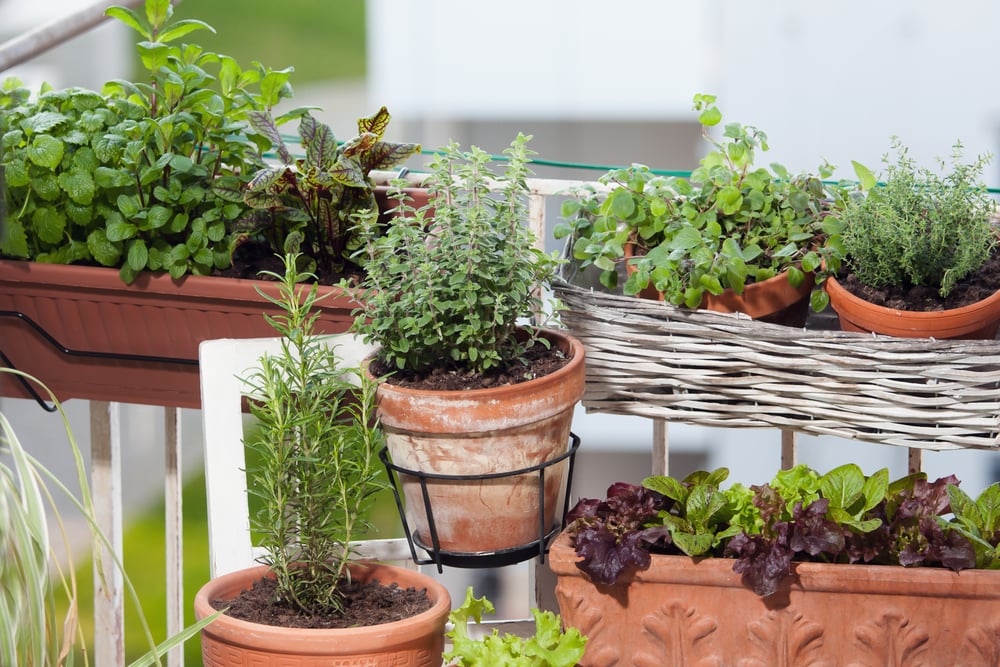
Measure your balcony space before planting. Small balconies suit herbs that stay compact like thyme and chives. Larger pots are needed for rosemary and bay leaves.
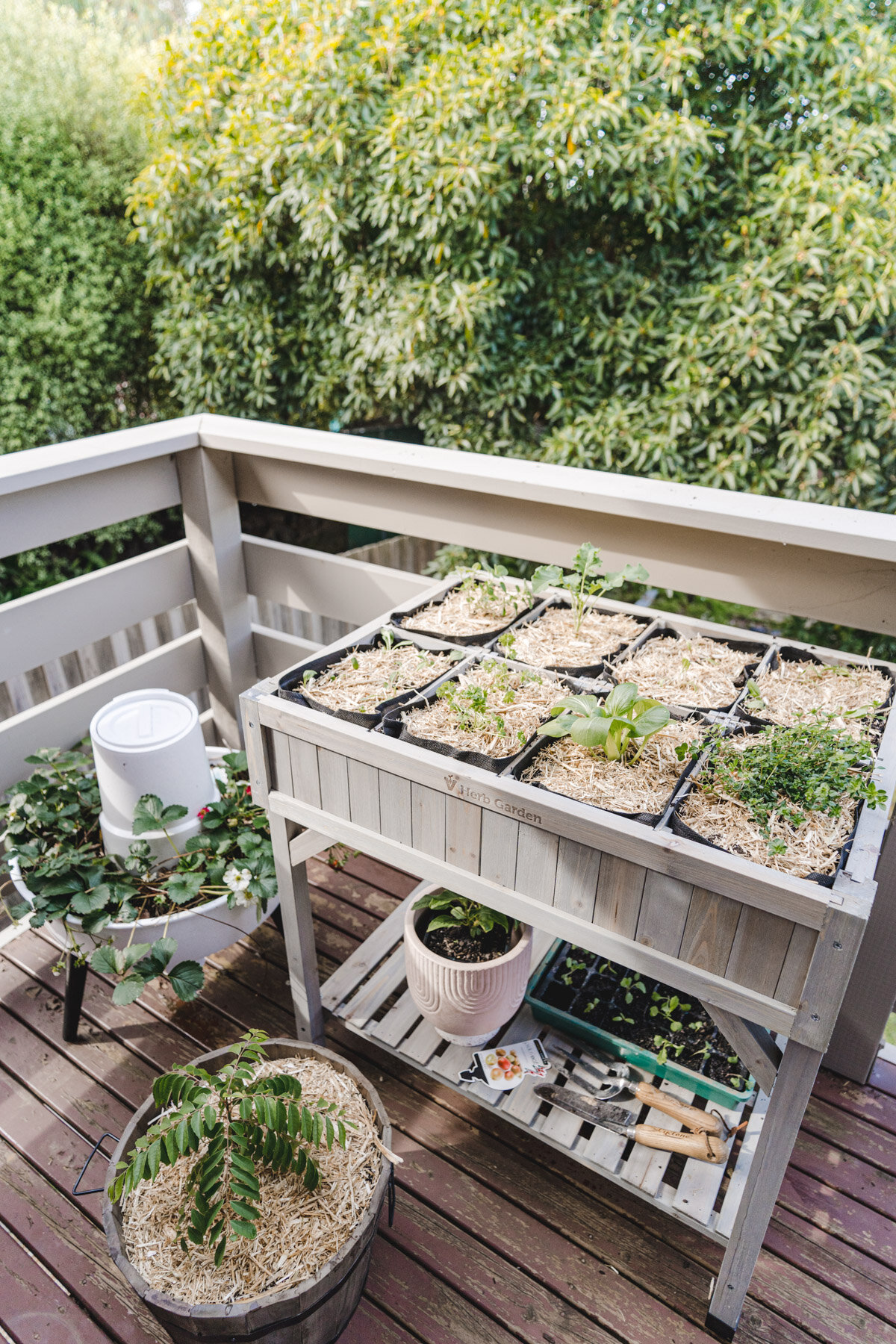
Use vertical space with hanging pots or shelves to fit more plants. Make sure containers have drainage holes to keep roots healthy.
Credit: www.garden-products.co.uk
Containers And Soil
Choosing the right containers and soil is key for a thriving balcony herb garden. Herbs need good air flow around their roots and soil that drains well. Proper containers and soil help herbs grow strong and healthy in small spaces.
Pot Selection
Select pots with drainage holes to avoid water buildup. Clay or terracotta pots work well as they let air pass through. Avoid plastic pots without holes, as they trap water and harm roots. Size matters—choose pots large enough for the herb’s root system to grow.
Soil Types
Use potting soil designed for container plants. A mix that drains quickly keeps roots from getting soggy. Look for peat-free or loam-based soil with some sand or grit added. Avoid garden soil, which is too dense and can hold too much water.
Improving Drainage
Place broken pottery or small stones at the bottom of pots. This layer helps water flow out easily. Do not block drainage holes with soil. Good drainage prevents root rot and keeps herbs healthy. Check pots regularly to ensure water drains freely.
Sunlight Needs
Sunlight plays a crucial role in growing healthy herbs on your balcony. Most herbs need plenty of light to thrive and develop strong flavors. Understanding the sunlight needs helps you choose the best spot for your plants. It also guides you in picking herbs that match your balcony’s light conditions.
Ideal Balcony Orientation
Balconies facing south receive the most sunlight, about six to eight hours daily. East-facing balconies get morning sun, which is gentle and good for many herbs. West-facing balconies have strong afternoon sun, which suits heat-loving herbs. North-facing balconies receive the least sunlight, often less than four hours, best for shade-tolerant plants.
Choose your balcony orientation carefully to match your herb choices. The right direction helps herbs grow faster and stay healthy.
Sunlight Tolerance
Most common herbs like basil, parsley, and oregano need full sun. Full sun means at least six hours of direct sunlight each day. Some herbs, such as mint and chives, tolerate partial shade well. These herbs do fine with three to five hours of sunlight or filtered light.
Observe how much sunlight your balcony gets. Match herbs to the light levels for the best results.
Credit: www.connieandluna.com
Watering And Feeding
Proper watering and feeding keep your balcony herb garden healthy and productive. Herbs need the right amount of water and nutrients to grow strong. Overwatering or underfeeding can cause weak plants and poor flavor. Understanding watering schedules and fertilizing tips helps maintain vibrant herbs all season long.
Watering Schedule
Check soil moisture before watering. Stick your finger about an inch into the soil. If it feels dry, it is time to water. Water deeply so moisture reaches the roots. Avoid shallow watering that only wets the surface.
Water early in the morning or late afternoon. This prevents water loss from heat and sun. Herbs in containers dry out faster, so they need more frequent watering. During hot days, water daily. In cooler weather, water every two to three days.
Fertilizing Tips
Use a balanced, water-soluble fertilizer to feed your herbs. Apply fertilizer every two to four weeks during the growing season. Avoid over-fertilizing, which can reduce herb flavor and cause leaf burn.
Organic options like compost tea or fish emulsion work well. These improve soil health and provide gentle nutrients. Slow-release fertilizers also work for container herbs. Always follow package instructions for the best results.
Seasonal Care
Seasonal care is essential for a thriving herb garden on your balcony. Herbs react to changes in temperature and light. Adjusting care with the seasons keeps plants healthy and productive. Protect herbs from harsh weather and provide ideal conditions year-round.
Winter Protection
Cold weather can harm many herbs. Move pots to a sheltered spot on the balcony. Wrap pots with bubble wrap or burlap to keep roots warm. Avoid overwatering; herbs need less water in winter. Use mulch on soil to protect roots from freezing. Some herbs like rosemary and thyme can survive cooler temperatures. Cover them with frost cloths on very cold nights.
Summer Shade
Hot summer sun can stress herbs. Provide shade during the hottest hours, especially from noon to 4 pm. Use a shade cloth or place plants near taller objects for natural shade. Water herbs early in the morning to reduce evaporation. Mulch helps keep soil cool and moist. Watch for wilting leaves; they need immediate water. Herbs like basil and mint enjoy some afternoon shade to prevent leaf burn.
Space Management
Space management is key for a successful balcony herb garden. Limited space means careful planning and smart choices. Organize plants to maximize sunlight and air flow. Group herbs with similar needs to simplify care. Use vertical space with shelves or hanging pots. This approach keeps your garden neat and productive.
Managing Aggressive Herbs
Some herbs spread quickly and take over pots. Mint is a common aggressive herb on balconies. Keep these herbs in separate containers to stop spreading. Trim roots regularly to control growth. Avoid planting aggressive herbs directly in shared pots. This prevents crowding and helps other herbs thrive.
Pot Size Strategy
Choose pot sizes based on each herb’s root system. Small herbs like thyme or chives grow well in small pots. Larger herbs, such as rosemary, need bigger containers for roots. Use deep pots for herbs with long roots. Match pot size to plant size to avoid water stress and root damage. Proper pot size supports healthy growth and reduces maintenance.
Labeling And Organization
Labeling and organization are key for a thriving herb garden on your balcony. Clear labels help you identify herbs quickly. Organization keeps your garden neat and easy to maintain. This saves time and reduces mistakes like overwatering or harvesting the wrong plant.
Using Plant Tags
Plant tags make labeling simple and clear. Use waterproof tags to last outdoors. Write the herb name with a permanent marker. You can also add planting dates or care notes. Place tags near each herb for easy spotting. Reuse tags or buy decorative ones to add style. This helps beginners and experts alike keep track of plants. It also makes your garden look more polished and cared for.
Balcony Layout Ideas
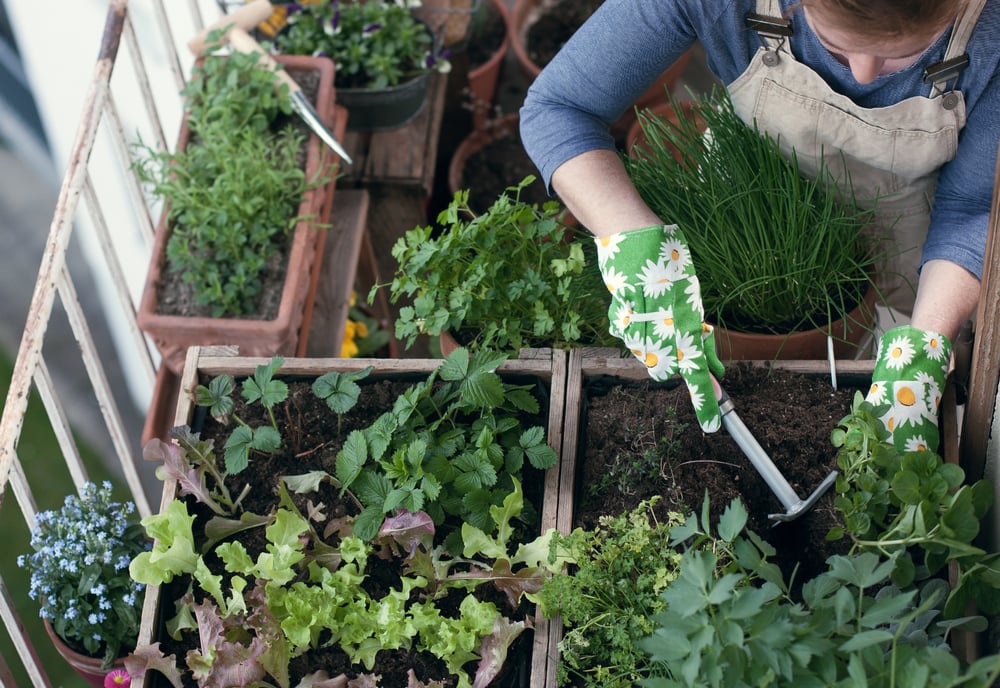
Organize herbs by sunlight needs or usage frequency. Place sun-loving herbs where they get most light. Shade-tolerant herbs can stay in less bright spots. Group herbs you cook with often near your kitchen door. Use vertical planters or shelves to save space. Arrange pots by size for a balanced look. A tidy layout improves air flow and helps plants grow better. It also makes watering and harvesting easier and faster.
Credit: www.garden-products.co.uk
Conclusion
Creating a herb garden on your balcony brings fresh flavors to your kitchen. Choose herbs that suit your space and sunlight. Use good containers with proper drainage for healthy roots. Water your plants regularly and feed them during growing season.
Protect your herbs from harsh weather to keep them thriving. Enjoy the simple pleasure of growing your own herbs every day. A small balcony can become a green, fragrant retreat. Start with easy herbs and watch your garden grow.
