




Imagine having fresh herbs at your fingertips, right outside your door, without needing a big garden space or fancy equipment. A herb garden with a pallet is a simple, budget-friendly way to grow your own flavorful greens, even if you’re short on space.
Whether you want to spice up your cooking, enjoy gardening as a relaxing hobby, or add a charming touch to your patio, this easy DIY project lets you transform an old wooden pallet into a vibrant, vertical herb garden. Ready to learn how to create your own pallet herb garden and enjoy fresh herbs all year round?
Let’s dive in!
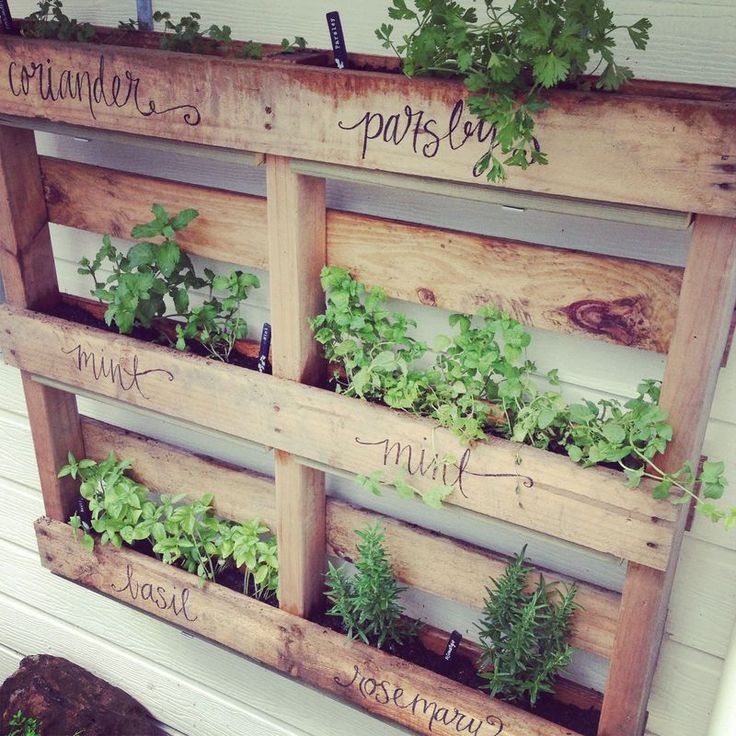
Credit: millcreekgardens.com
Choosing The Right Pallet
Choosing the right pallet is key to building a safe and lasting herb garden. The pallet serves as the main structure, so its quality affects your garden’s success. Select a pallet that fits your space and can hold soil and plants well. Pay attention to the wood type and condition to avoid problems later.
Types Of Pallets
Wood pallets are common for herb gardens. They offer natural breathability for plants. Avoid pallets made from plastic or metal; these may not hold soil properly. Some wood pallets are heat-treated, which is safer for planting. Others use chemicals, which can harm herbs. Always check the pallet’s label or stamp to know its type.
Safety Considerations
Not all pallets are safe for growing food. Some contain harmful chemicals or bacteria. Look for pallets marked with “HT” for heat-treated wood. Avoid pallets labeled “MB,” which means they were treated with methyl bromide, a toxic pesticide. Also, inspect the pallet for mold or damage before use. Clean the pallet thoroughly to remove dirt and pests.
Preparing The Pallet
Start by sanding rough edges to prevent splinters. Remove any nails or staples that could hurt you or your plants. Apply a non-toxic sealant to protect the wood from moisture. Line the pallet with landscape fabric to hold soil while allowing water drainage. Make sure the pallet is sturdy and stands firmly before adding soil and herbs.
Selecting Herbs For Your Garden
Selecting herbs for your pallet garden starts with understanding your space and needs. Herbs vary in size, sunlight needs, and growth habits. Choose herbs that fit well in a pallet planter and suit your climate. This makes your garden healthy and productive.
Think about herbs you use often in cooking or for health. Pick a mix of flavors and scents to enjoy a rich garden experience. Careful selection helps your pallet herb garden thrive and stay beautiful.
Best Herbs For Pallet Gardens
Some herbs grow better in small spaces like pallet gardens. Basil, parsley, thyme, and chives are great choices. Mint grows quickly but needs space, so plant it in a separate pot. Rosemary and oregano also do well in pallet gardens. These herbs have shallow roots and fit perfectly in the slots of a pallet planter.
Herbs For Different Climates
Herbs need the right climate to grow strong. In hot and dry places, rosemary, thyme, and sage do well. Cool climates suit parsley, cilantro, and chives. If you live in a humid area, try mint or basil. Know your local weather and pick herbs that match it. This reduces the need for extra care and helps plants stay healthy.
Companion Planting Tips
Some herbs grow better together. Plant basil near tomatoes to improve flavor and repel pests. Rosemary and thyme like to be close because they need similar care. Avoid planting mint with other herbs, as it spreads fast and can take over. Keep companion plants that support each other’s growth. This helps your pallet garden stay balanced and strong.
Building Your Pallet Herb Garden
Building your pallet herb garden is a fun and simple project. It lets you grow fresh herbs in a small space. Pallets are easy to find and give your garden a rustic charm. This guide will help you create a sturdy and beautiful herb garden from a pallet.
Tools And Materials Needed
- Wood pallet (clean and dry)
- Sandpaper or electric sander
- Staple gun and staples
- Landscape fabric or plastic sheeting
- Hammer and nails or screws and drill
- Potting soil or garden soil
- Herb plants or seeds
- Waterproof paint or sealant (optional)
- Measuring tape
- Scissors
Step-by-step Assembly
Start by sanding the pallet to remove rough edges. This protects your hands and plants. Next, line the back and bottom of the pallet with landscape fabric. Secure it tightly with staples. This keeps soil inside while allowing water drainage.
Fill the pallet with potting soil, pressing it firmly into each section. Plant your herbs evenly across the pallet. Place taller herbs at the top and smaller ones below. Attach a support or stand if you want the pallet upright. Let the soil settle before watering gently.
Soil And Drainage Setup
Good soil and drainage are key for healthy herbs. Use light potting soil that drains well. Avoid heavy garden soil that holds too much water. Ensure the landscape fabric allows excess water to escape. This prevents root rot and keeps herbs thriving.
Place your pallet garden in a spot with good sunlight. Check soil moisture often and water when dry. Proper drainage keeps roots healthy and plants growing strong.
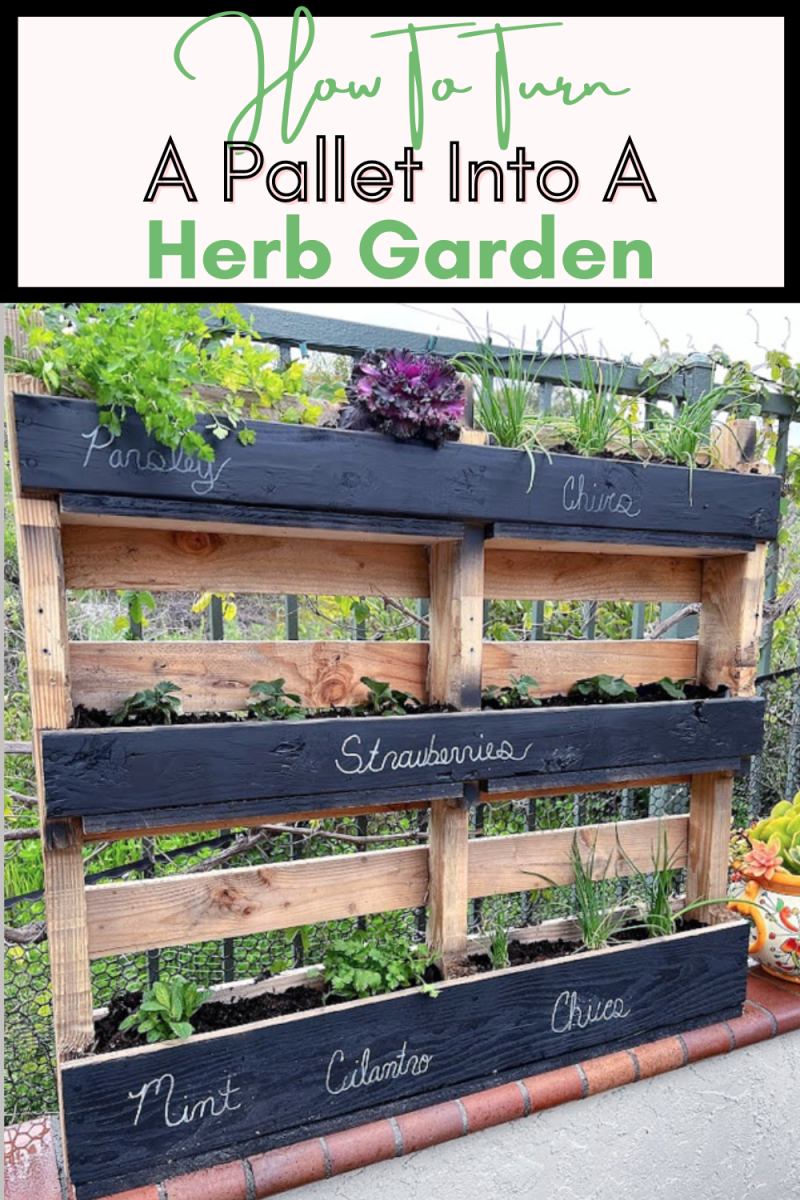
Credit: myuncommonsliceofsuburbia.com
Planting Techniques
Planting herbs in a pallet garden requires simple but careful techniques. Proper planting ensures herbs grow healthy and strong. Follow these easy steps to set up your pallet herb garden.
Positioning Herbs In The Pallet
Place herbs based on sunlight needs. Arrange sun-loving herbs near the top. Shade-tolerant herbs can go lower. Group plants with similar water needs together. This helps to keep care simple and effective.
Securing Plants Between Slats
Use small pots or soil pockets inside the pallet slats. Fill gaps with soil or coconut coir for stability. Secure pots with twine or garden wire. This prevents plants from falling out when watering or windy.
Watering And Maintenance
Water herbs regularly, but avoid overwatering. Check soil moisture daily, especially in hot weather. Prune herbs to encourage growth and prevent crowding. Remove dead leaves to keep plants healthy. Keep an eye on pests and treat early.
Creative Design Ideas
Creative design ideas can transform a simple pallet into a charming herb garden. The style you choose affects how your herbs grow and how your garden looks. You can explore many options to fit your space and taste.
Different layouts and finishes bring personality to your pallet garden. Small details like labels help keep your herbs organized. Let’s explore some creative ideas for designing your pallet herb garden.
Vertical Vs. Horizontal Layouts
Vertical layouts save space and add height to your garden area. They are perfect for small patios or balconies. Herbs grow upward, making them easy to reach and water. Horizontal layouts spread out your plants, giving each herb more room. This style works well in larger gardens or yards. Both layouts offer unique looks and growing benefits.
Decorative Finishes And Paint
Painting your pallet adds color and protects the wood. Use weather-resistant paint for outdoor gardens. Soft pastels create a calm, fresh look. Bright colors make your garden pop and feel lively. You can also stain the wood to keep a natural, rustic vibe. Finishes help your garden last longer and look neat.
Adding Chalkboard Labels
Chalkboard labels let you write herb names clearly. They are easy to update when you change plants. Attach small chalkboards to the pallet near each herb spot. This helps you remember what you planted and where. Chalkboard labels add a fun, practical touch to your garden.
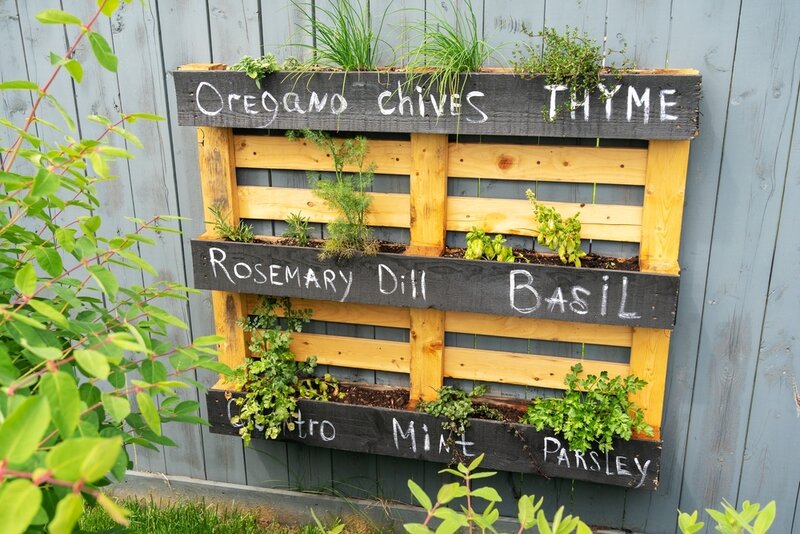
Credit: www.thompsons-plants.co.uk
Placement And Care Tips
Setting up your herb garden with a pallet needs careful thought about its placement and care. Proper location and maintenance help herbs grow healthy and strong. These tips guide you through choosing the right spot and caring for your plants through the seasons.
Choosing The Best Location
Pick a place with good air flow and easy access. Avoid areas that are too windy or crowded by other plants. A spot near your kitchen door is perfect for quick herb snips. Make sure the pallet stands on a stable, flat surface. This keeps your garden safe and steady.
Sunlight And Temperature Needs
Most herbs need at least six hours of sunlight daily. South-facing walls or patios work best. Watch the temperature; herbs prefer mild weather. Protect your pallet garden from extreme cold or heat. Move it indoors or to shade if needed during harsh weather.
Seasonal Care And Harvesting
Water your herbs regularly but avoid overwatering. Check the soil moisture before watering again. Trim herbs often to encourage fresh growth. Harvest leaves early in the morning for best flavor. In winter, reduce watering and shield plants from frost.
Troubleshooting Common Issues
Creating a herb garden with a pallet is rewarding. Yet, some common issues can occur. Knowing how to fix these problems keeps your herbs healthy. This section covers simple ways to solve typical troubles.
Pest Control Strategies
Pests can damage your herbs quickly. Use natural methods to protect your plants. Introduce ladybugs or lacewings to eat harmful insects. Spray a mixture of water and mild soap on leaves. Check your herbs often for signs of pests. Remove affected leaves to stop spread. Avoid harsh chemicals to keep herbs safe for cooking.
Dealing With Overwatering
Overwatering is a frequent issue in pallet herb gardens. It causes root rot and weak plants. Water only when the top soil feels dry. Ensure your pallet has good drainage holes. Use well-draining soil to prevent water buildup. If overwatering happens, stop watering for a few days. Gently lift plants and check roots for damage.
Replacing And Rotating Herbs
Herbs grow best with fresh soil and space. Replace herbs that look old or unhealthy. Rotate herbs to new spots in the pallet each season. This avoids soil nutrient depletion and disease buildup. Choose herbs that suit the current season and sunlight. Clean the pallet before planting new herbs. This keeps your garden fresh and productive.
Upcycling And Sustainability
Building a herb garden with pallets supports upcycling and sustainability. It transforms waste into something useful and beautiful. This practice reduces the need for new materials and lowers environmental impact. Using pallets for gardening promotes a greener lifestyle and helps save resources.
Eco-friendly Materials
Pallets are often made from untreated wood. This makes them safe for growing herbs. Using natural materials avoids plastics and chemicals. It keeps your garden healthy and eco-friendly. Choosing pallets over plastic containers reduces pollution and waste.
Reusing Old Pallets Creatively
Old pallets can be turned into vertical gardens or raised beds. This creative reuse gives them a second life. It cuts down on landfill waste by repurposing discarded wood. You can customize pallets to fit your space and style. This approach supports sustainable gardening practices.
Reducing Garden Waste
Pallet gardens help organize plants and reduce soil waste. They contain soil within a defined space, minimizing runoff. Using pallets also encourages composting scraps to enrich your garden. This reduces organic waste and supports healthy plant growth. Overall, pallets help maintain a cleaner, greener garden.
Inspiring Pallet Herb Garden Examples
Pallets offer a creative, affordable way to grow herbs at home. They fit many styles and spaces. Many gardeners share inspiring pallet herb garden ideas. These examples show how pallets turn into beautiful, useful garden features. Explore different designs that suit your taste and space.
Rustic Designs
Rustic pallet herb gardens bring a warm, natural feel. Rough wood and simple shapes create charm. Herbs like rosemary and thyme thrive in these setups. Often, pallets keep their original wood look. This style fits well in country or farmhouse gardens. Rustic designs use natural colors and textures. They blend easily with outdoor surroundings.
Modern Minimalist Styles
Modern minimalist pallet gardens focus on clean lines and simplicity. Pallets get painted in white or soft colors. Herbs are arranged neatly for a sleek look. This style works well in urban or small patios. Minimalist gardens highlight the herbs, not the wood. They use less space but look very tidy. Simple pots or containers add to the modern feel.
Space-saving Solutions
Vertical pallet herb gardens save space effectively. Hanging pallets or wall-mounted designs fit small balconies. These gardens keep herbs organized and easy to reach. They make use of empty walls or corners. Space-saving pallet gardens suit apartment living well. Vertical planting helps herbs get enough sunlight. This method turns small areas into green spaces.
Conclusion
Creating a herb garden with a pallet is simple and fun. It saves space and adds charm to your home. You can grow fresh herbs right outside your door. This project uses old pallets, making it eco-friendly and affordable. With some soil and seeds, you start growing in no time.
A pallet herb garden suits any small space or balcony. Enjoy fresh flavors for cooking all year round. Try this easy DIY to bring nature closer to you. Gardening has never been so easy or rewarding.
