




Are you curious about the different types of herb plants and how they can enhance your garden, kitchen, or health routine? Understanding the variety of herbs available helps you choose the perfect ones for your needs—whether you want fresh flavors for cooking, natural remedies, or beautiful plants to grow at home.
This guide will walk you through popular herb types, their unique qualities, and simple tips to get started. By the end, you’ll feel confident picking and growing herbs that fit your lifestyle perfectly. Ready to discover the fascinating world of herbs and transform your space?
Let’s dive in!
Herb Categories
Herbs are diverse plants that serve many uses in daily life. They grow in various forms and offer distinct benefits. Understanding herb categories helps in choosing the right type for your needs. Each category has unique traits and applications.
Culinary Herbs
Culinary herbs add flavor and aroma to food. Common examples include basil, parsley, and thyme. These herbs enhance dishes without overpowering them. They are easy to grow in gardens or pots. Fresh culinary herbs improve the taste and nutritional value of meals.
Medicinal Herbs
Medicinal herbs support health and healing naturally. Plants like chamomile, mint, and echinacea belong here. People use them to treat minor ailments and boost immunity. These herbs often come as teas, tinctures, or oils. Always consult a professional before using medicinal herbs.
Aromatic Herbs
Aromatic herbs release pleasant scents that refresh spaces. Lavender, rosemary, and sage are popular examples. They help relax the mind and create a calming atmosphere. These herbs also repel insects and freshen air. Aromatic herbs thrive indoors and outdoors alike.
Ornamental Herbs
Ornamental herbs combine beauty with utility. Plants like lavender and lemon balm have attractive foliage and flowers. They add color and texture to gardens and pots. These herbs attract pollinators like bees and butterflies. Ornamental herbs are perfect for decorative gardening.
Popular Herb Varieties
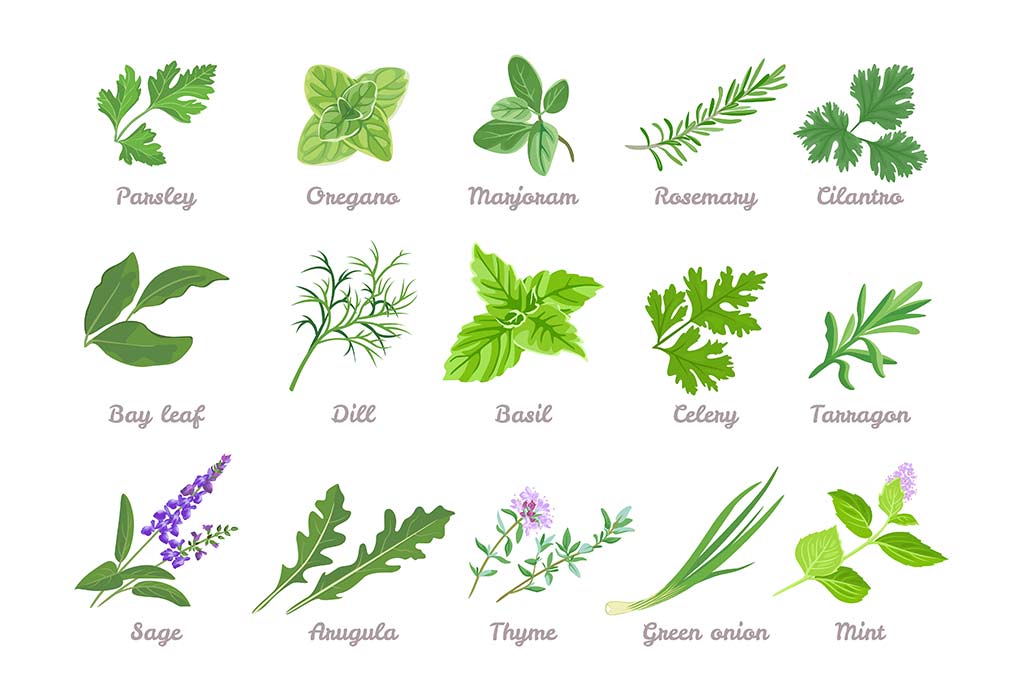
Herbs bring flavor and freshness to any dish or garden. Many types grow well in different climates. Some herbs are easy to grow and use daily. Others offer unique scents and healing properties. Below are some popular herb varieties loved by gardeners and cooks.
Basil And Oregano
Basil has a sweet, fresh aroma. It pairs well with tomatoes and pasta. It grows best in warm, sunny spots. Oregano has a strong, slightly bitter taste. It is a staple in Mediterranean cooking. Both herbs thrive in well-drained soil and regular watering.
Rosemary And Thyme
Rosemary offers a pine-like scent and flavor. It works well with meats and roasted vegetables. Thyme has a subtle, earthy aroma. It is great in soups and stews. Both herbs prefer sunny locations and dry soil. They are hardy and drought-tolerant once established.
Mint And Sage
Mint has a cool, refreshing taste. It grows quickly and spreads easily. Use it in drinks, desserts, and salads. Sage has a strong, savory flavor. It pairs well with poultry and stuffing. Mint prefers moist soil, while sage likes well-drained ground. Both add unique flavors to dishes.
Lavender And Chamomile
Lavender is known for its lovely purple flowers and scent. It is used in teas, oils, and crafts. Chamomile has small, daisy-like flowers. It is popular for calming herbal teas. Both herbs enjoy full sun and well-drained soil. They bring beauty and calm to gardens and homes.
Growing Conditions
Herbs need the right growing conditions to thrive. Each herb has unique needs for soil, sunlight, water, and temperature. Understanding these factors helps herbs grow healthy and strong. This section explains the basic growing conditions for most herbs.
Soil Requirements
Herbs prefer well-drained soil. Loamy soil with good organic matter works best. Avoid heavy clay or sandy soil alone. Adding compost improves soil quality. Soil pH should be slightly acidic to neutral, around 6.0 to 7.0. Good drainage prevents root rot and keeps herbs healthy.
Sunlight Needs
Most herbs need full sun for at least six hours daily. Sunlight helps plants produce oils, giving herbs their aroma and flavor. Some herbs tolerate partial shade but may grow weaker. Place herbs in sunny spots like south-facing windows or garden beds. Adequate light ensures vigorous growth and strong leaves.
Watering Tips
Herbs like regular watering but dislike soggy soil. Water when the top inch of soil feels dry. Deep watering encourages strong roots. Avoid overwatering to prevent root diseases. Use mulch to keep soil moist and reduce evaporation. Adjust watering based on weather and plant size.
Temperature Preferences
Most herbs grow well in moderate temperatures between 60°F and 75°F. Some herbs like basil prefer warmer climates. Others, such as mint and parsley, tolerate cooler temperatures. Protect herbs from frost and extreme heat. Indoor herbs may need extra care during winter months.
Planting Techniques
Planting herbs properly ensures healthy growth and better harvests. Different herbs have unique needs and respond well to various planting methods. Using the right technique helps herbs develop strong roots and vibrant leaves. This section explains key planting methods for herbs, suitable for beginners and experienced gardeners alike.
Seed Starting
Starting herbs from seeds is a popular method. Use seed trays or small pots with quality seed-starting mix. Keep the soil moist but not wet. Place trays in a warm spot with indirect sunlight. Most herb seeds sprout within one to three weeks. Thin seedlings to avoid overcrowding, allowing strong plants to grow.
Transplanting Seedlings
Transplanting seedlings means moving young plants from seed trays to garden beds or larger pots. Wait until seedlings have two to three sets of leaves. Harden off seedlings by exposing them to outdoor conditions for a few days. Plant seedlings gently, keeping roots intact. Water well after transplanting to reduce shock.
Container Gardening
Container gardening suits small spaces and patios. Choose pots with drainage holes to prevent waterlogging. Use good-quality potting soil mixed with compost. Plant herbs according to their sunlight needs. Water containers regularly, as soil dries faster than in the ground. Containers allow easy movement to catch sunlight or avoid harsh weather.
Raised Bed Cultivation
Raised beds improve soil drainage and warmth. Build beds with untreated wood or stone, filling them with loose, fertile soil. Raised beds help control weeds and pests. Plant herbs with similar water and sunlight needs together. Raised beds make harvesting easier and keep plants healthy by providing good air circulation.
Care And Maintenance
Herbs need regular care to stay healthy and productive. Proper maintenance helps herbs grow strong and flavorful. Simple steps like pruning, pest control, and fertilizing make a big difference. Overwintering protects herbs during cold seasons. Follow these tips to keep your herbs thriving year-round.
Pruning And Harvesting
Prune herbs often to encourage new growth. Cut just above a leaf node or stem joint. Harvest leaves regularly to keep plants bushy. Avoid cutting more than one-third of the plant at once. Use clean, sharp scissors to prevent damage.
Pest Control
Check herbs daily for pests like aphids or spider mites. Remove pests by hand or spray with mild soapy water. Avoid harsh chemicals that harm herbs and beneficial insects. Keep plants spaced well to improve air flow. Healthy plants resist pests better.
Fertilizing
Use a balanced, water-soluble fertilizer every 4 to 6 weeks. Too much fertilizer can reduce flavor and aroma. Compost or organic mulch also feeds herbs naturally. Apply fertilizer in the morning for best absorption. Avoid fertilizing during winter dormancy.
Overwintering Herbs
Bring tender herbs indoors before frost arrives. Place pots in sunny windows or under grow lights. Reduce watering to prevent root rot. Hardy herbs can stay outside with mulch protection. Trim plants lightly to help them survive cold months.
:max_bytes(150000):strip_icc()/VWH_Illustration_10-Healing-Herbs-With-Medicinal-Benefits_Illustrator_Mira-Norian_Title_Final-47ce13013375448c9e8e7e8c21fb50f7.jpg)
Credit: www.verywellhealth.com
Harvesting And Storage
Harvesting and storing herbs properly is key to keeping their flavor and aroma strong. Good timing and correct methods help herbs stay fresh longer. This section explains the best ways to gather and save your herbs. Proper care after harvesting ensures you enjoy the full benefits of your plants.
Best Time To Harvest
Harvest herbs in the morning after dew dries. This is when oils are most potent. Pick leaves before flowers appear for stronger flavor. Use sharp scissors to cut stems cleanly. Avoid harvesting more than one-third of the plant at once. This allows the herb to keep growing well.
Drying Methods
Dry herbs by hanging small bundles upside down in a dark, dry place. Good air circulation prevents mold. Alternatively, spread leaves on a screen or paper towel. Use a dehydrator on low heat for faster drying. Herbs are dry when leaves crumble easily between fingers.
Freezing Herbs
Freeze herbs to keep fresh flavor longer. Chop herbs and place in ice cube trays. Fill trays with water or olive oil and freeze. Use frozen cubes in cooking for easy seasoning. Another way is to freeze whole leaves in a single layer on a tray, then store in bags.
Preserving Freshness
Store fresh herbs wrapped in a damp paper towel inside a plastic bag. Keep them in the refrigerator’s crisper drawer. Change the towel if it gets too wet. For herbs with woody stems, place them in a glass with water like flowers. Cover loosely with a plastic bag to keep humidity.
Using Herbs
Herbs are more than just garden plants. They bring life and health to daily routines. People use herbs in many ways. Each use highlights the unique qualities of different herbs. Understanding how to use herbs can add flavor, health benefits, and beauty to life.
Cooking And Flavoring
Herbs add fresh and vibrant taste to meals. Basil, thyme, and rosemary are popular choices. They lift the flavor of soups, salads, and meats. Using fresh herbs is simple and quick. They enhance dishes without extra calories or salt. Dried herbs also keep well and work in slow cooking.
Herbal Teas And Remedies
Herbs like chamomile, peppermint, and ginger make soothing teas. These teas help relax the body and ease digestion. Many herbs have healing properties that support health. People use herbal remedies for colds, stress, and minor pains. Always use herbs safely and consult a health expert if unsure.
Aromatherapy Uses
Essential oils from herbs create calming scents. Lavender, eucalyptus, and rosemary oils refresh the mind. Aromatherapy uses these oils to reduce stress and improve mood. Diffusers, sprays, and candles spread herbal aromas in homes. This natural method supports mental and emotional well-being.
Crafting With Herbs
Herbs inspire creative projects at home. Dried herbs can make wreaths, potpourri, and sachets. These crafts bring natural beauty and scent indoors. Herb bundles dry easily and last for months. Crafting with herbs also connects people to nature and tradition.

Credit: www.gardencentermag.com
Common Challenges
Growing herbs can be rewarding but comes with common challenges. These issues affect plant health and growth. Knowing how to handle them helps keep herbs thriving. Below are frequent problems herb growers face.
Dealing With Diseases
Herbs can catch diseases like mildew and leaf spots. These diseases damage leaves and slow growth. Remove infected parts quickly to stop spread. Use natural fungicides to protect healthy plants. Clean tools before use to avoid contamination.
Preventing Wilting
Wilting shows herbs lack water or face heat stress. Water herbs regularly but avoid soaking soil. Provide shade during hot afternoons. Check roots often; damaged roots cause wilting. Healthy roots keep herbs firm and fresh.
Managing Soil Issues
Herbs need well-drained, nutrient-rich soil. Poor soil can stunt growth and reduce flavor. Test soil pH and add compost if needed. Avoid heavy clay soil or mix with sand. Proper soil helps roots grow strong and absorb nutrients.
Avoiding Overwatering
Too much water drowns herb roots and causes rot. Water only when the top inch of soil is dry. Use pots with drainage holes to prevent water build-up. Overwatering invites pests and diseases. Balance water to keep herbs healthy and green.
Specialty Herbs
Specialty herbs offer unique flavors and uses that stand out from common varieties. These herbs often have distinct aromas, tastes, or growing habits. Gardeners and cooks seek specialty herbs for their rarity and special qualities.
Rare And Exotic Herbs
Rare and exotic herbs come from faraway places. They add unusual flavors to dishes and remedies. Examples include Thai basil, shiso, and lemon verbena. These herbs may need special care or climates. Growing them can be rewarding and exciting.
Perennial Vs Annual Herbs
Perennial herbs live for several years. They return each season without replanting. Examples are rosemary, thyme, and mint. Annual herbs complete their life cycle in one year. Basil and cilantro are common annuals. Knowing the difference helps plan your garden better.
Heirloom Varieties
Heirloom herbs are traditional plants passed down for generations. They often have strong flavors and resilience. These herbs preserve biodiversity and heritage. Examples include old-fashioned parsley and sage types. Heirloom herbs connect gardeners with the past.
Credit: www.firstcry.com
Conclusion
Herbs offer a variety of flavors and uses in daily life. Growing different types can enhance your garden’s beauty and aroma. Many herbs also provide health benefits and natural remedies. Choose herbs that suit your climate and cooking style. Caring for herbs is simple and rewarding.
Start small, learn, and enjoy fresh herbs anytime. Exploring herb plants brings joy and fresh tastes to your home.
