




Gardening is often seen as a simple pastime, a way to beautify your surroundings or grow your own food. However, the mental benefits of this activity extend far beyond mere aesthetics or nutrition. Engaging with the earth, nurturing plants, and watching them flourish can have profound effects on your mental health.
As you dig your hands into the soil, you may find that gardening offers a unique blend of physical activity, creativity, and connection to nature that can significantly enhance your overall well-being. In a world that often feels chaotic and overwhelming, gardening provides a sanctuary. It invites you to slow down, breathe deeply, and immerse yourself in the present moment.
Whether you have a sprawling backyard or a small balcony, the act of tending to plants can serve as a powerful antidote to the stresses of daily life. As you explore the various mental benefits of gardening, you may discover that it is not just a hobby but a pathway to greater emotional resilience and mental clarity.
Stress Reduction and Relaxation
One of the most immediate benefits you may experience from gardening is stress reduction. The act of digging, planting, and nurturing plants can serve as a form of physical exercise, which is known to release endorphins—your body’s natural stress relievers. As you engage in these activities, you may find that your worries begin to fade away, replaced by a sense of calm and tranquility.
The rhythmic motions of gardening can be meditative, allowing you to focus on the task at hand rather than the pressures of everyday life. Moreover, spending time outdoors has been shown to lower cortisol levels, the hormone associated with stress. When you immerse yourself in your garden, surrounded by the sights and sounds of nature, you create an environment conducive to relaxation.
The fresh air, sunlight, and gentle sounds of birds chirping or leaves rustling can all contribute to a serene atmosphere that encourages you to unwind. In this way, gardening becomes not just a chore but a therapeutic escape from the hustle and bustle of modern living.
Connection to Nature and the Outdoors

Gardening fosters a deep connection to nature that many people crave in today’s urbanized world. When you cultivate plants, you become attuned to the rhythms of the seasons and the cycles of life. This connection can be incredibly grounding, reminding you of your place within the larger ecosystem.
As you observe how plants grow and change over time, you may develop a greater appreciation for the natural world and its intricate beauty. Being outdoors also has numerous psychological benefits. Exposure to natural light can improve your mood and increase your vitamin D levels, which are essential for mental health.
The sights and sounds of nature can stimulate your senses in ways that indoor environments cannot. Whether it’s the vibrant colors of blooming flowers or the earthy scent of freshly turned soil, these sensory experiences can elevate your spirits and enhance your overall sense of well-being.
Cultivating Patience and Persistence
Gardening is not an instant gratification endeavor; it requires patience and persistence. When you plant seeds, you must wait for them to germinate and grow into mature plants. This process teaches you valuable life lessons about patience and the importance of nurturing something over time.
As you tend to your garden day after day, you learn that growth takes time and effort—a lesson that can translate into other areas of your life. Moreover, gardening often comes with its share of challenges. You may encounter pests, diseases, or unfavorable weather conditions that threaten your plants’ health.
Navigating these obstacles requires resilience and problem-solving skills. Each setback can serve as an opportunity for growth, teaching you how to adapt and persevere in the face of adversity. This cultivation of patience and persistence not only enhances your gardening skills but also strengthens your character.
Boosting Mood and Reducing Depression
Numerous studies have shown that engaging in gardening can lead to improved mood and reduced symptoms of depression. The combination of physical activity, exposure to sunlight, and connection with nature creates a powerful antidote to feelings of sadness or anxiety. When you spend time nurturing plants, your brain releases serotonin—a neurotransmitter associated with feelings of happiness and well-being.
Additionally, gardening can provide a sense of routine and structure in your life. Establishing a regular gardening schedule can give you something to look forward to each day, helping combat feelings of lethargy or hopelessness. As you witness the fruits of your labor—whether it’s a bountiful harvest or simply a flourishing flower bed—you may find that your mood lifts and your outlook on life becomes more positive.
Building Self-Esteem and Confidence
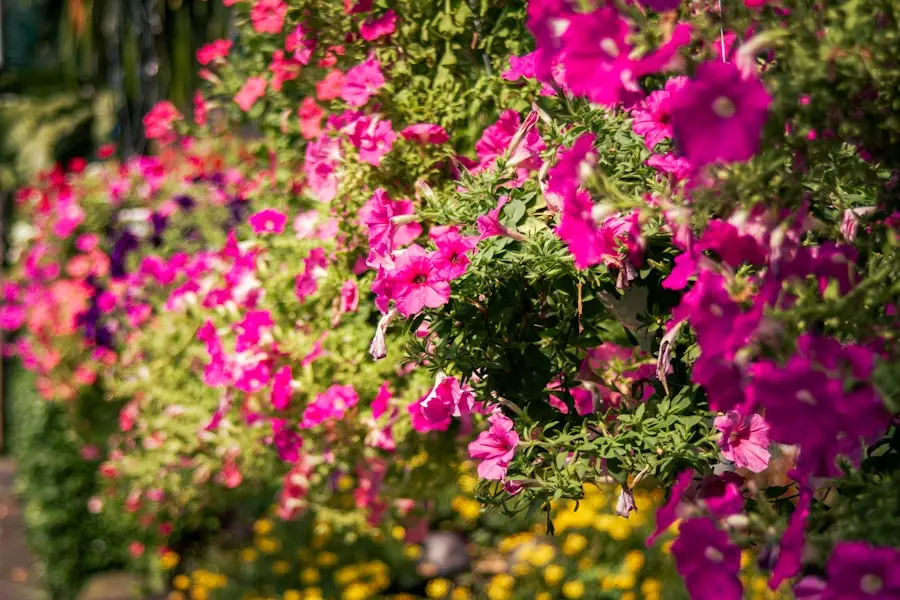
As you cultivate your gardening skills, you may notice a boost in your self-esteem and confidence. Successfully growing plants from seeds or reviving struggling ones can instill a sense of accomplishment that is hard to replicate elsewhere. Each small victory in the garden reinforces your belief in your abilities and encourages you to take on new challenges.
Moreover, gardening allows for creativity and self-expression. You have the freedom to design your garden according to your tastes and preferences, experimenting with different plants, colors, and layouts. This creative outlet can enhance your sense of identity and personal fulfillment.
As you see your vision come to life in the form of a beautiful garden, you may find that your confidence extends beyond gardening into other aspects of your life.
Improving Cognitive Function and Memory
Engaging in gardening activities can also have positive effects on cognitive function and memory. The various tasks involved—planning layouts, remembering plant care schedules, and problem-solving—stimulate your brain in ways that promote mental sharpness. Research has shown that physical activity is linked to improved cognitive function; thus, the physical labor involved in gardening can help keep your mind agile.
Additionally, learning about different plant species, their needs, and how they interact with their environment can enhance your knowledge base and memory retention. As you immerse yourself in this new information, you may find that it sharpens your focus and enhances your ability to learn in other areas as well. Gardening becomes not just an enjoyable hobby but also a means of keeping your mind active and engaged.
Fostering a Sense of Accomplishment
The act of gardening inherently fosters a sense of accomplishment that can be incredibly rewarding. Each time you plant a seed or transplant a seedling, you are taking an active role in creating something beautiful or nourishing. Watching those efforts come to fruition—whether it’s seeing flowers bloom or harvesting vegetables—can provide immense satisfaction.
This sense of accomplishment is amplified when you share the results of your gardening endeavors with others. Whether it’s gifting homegrown produce to friends or inviting family over to admire your garden, these moments create connections and reinforce the value of your hard work. Celebrating these achievements not only boosts your self-esteem but also encourages you to continue pursuing gardening as a fulfilling activity.
Encouraging Mindfulness and Presence
Gardening naturally encourages mindfulness—the practice of being fully present in the moment without judgment. As you tend to your plants, you become absorbed in the sights, sounds, and sensations around you. The act of focusing on each task—whether it’s weeding, watering, or pruning—can help quiet racing thoughts and bring about a state of calm awareness.
This mindfulness practice can extend beyond the garden as well. The skills you develop while gardening—such as being present and attentive—can be applied to other areas of your life. You may find yourself more engaged in conversations or more appreciative of everyday moments as you cultivate this awareness through gardening.
Creating a Sense of Purpose and Meaning
For many people, gardening provides a profound sense of purpose and meaning in their lives. Nurturing plants allows you to contribute positively to the environment while also providing sustenance for yourself or others. This connection to something larger than yourself can be incredibly fulfilling.
Moreover, caring for living things fosters empathy and compassion—qualities that enrich your relationships with others. As you invest time and energy into growing plants, you may find that this sense of purpose spills over into other areas of your life, motivating you to engage more deeply with family, friends, or community projects.
Getting Started with Gardening for Mental Well-Being
If you’re inspired by the myriad mental benefits that gardening offers, getting started is easier than you might think. You don’t need an expansive yard; even small spaces like balconies or windowsills can be transformed into thriving green sanctuaries. Begin by selecting easy-to-grow plants or herbs that resonate with you—this will make the experience more enjoyable.
As you embark on this journey into gardening, remember that it’s not just about cultivating plants; it’s about nurturing yourself as well. Allow yourself the freedom to experiment without fear of failure; every gardener has faced challenges along the way. Embrace each moment spent in nature as an opportunity for growth—both for your plants and for yourself—and watch as gardening becomes a source of joy and mental well-being in your life.
Gardening is not only a rewarding hobby but also offers numerous mental health benefits, especially for beginners. Engaging with nature can reduce stress, improve mood, and enhance overall well-being. For those looking to explore more about the positive impacts of gardening, you might find the article on treats that are perfect for you particularly interesting, as it delves into how nurturing plants can lead to a more fulfilling and joyful life.
