




Are you ready to start your gardening adventure but feel unsure about which tools you really need? Choosing the right gardening tools can make all the difference between a frustrating experience and pure joy.
Imagine digging into your soil effortlessly, planting seeds with confidence, and keeping your garden tidy without strain. Whether you want to grow fresh herbs on your balcony or create a vibrant backyard oasis, having the best tools designed for beginners will set you up for success.
In this guide, you’ll discover the essential gardening tools that are easy to use, affordable, and perfect for helping your green thumb flourish from day one. Keep reading to find out exactly what you need to get started and make your gardening experience rewarding and fun!
Must-have Hand Tools
Starting a garden is exciting and requires the right hand tools. These tools help you plant, prune, and prepare soil easily. Choosing good hand tools makes gardening tasks simpler and more enjoyable. Beginners should focus on a few must-have tools to build confidence and success in their garden.
Trowels For Planting
Trowels are small shovels perfect for digging holes and planting seeds. They help move soil with precision, avoiding damage to young plants. A sturdy trowel with a comfortable handle makes planting easier. Look for rust-resistant materials to ensure long use.
Pruners And Shears
Pruners and shears cut small branches and shape plants. They keep plants healthy by removing dead or overgrown parts. Sharp blades provide clean cuts and reduce plant stress. Choose lightweight pruners for better control and less hand fatigue.
Hand Forks And Cultivators
Hand forks loosen soil and remove weeds around plants. Cultivators break up soil and mix in fertilizers. Both tools improve soil air flow and water absorption. Ergonomic handles help gardeners work longer without discomfort.
Essential Power Tools
Essential power tools make gardening easier and faster for beginners. These tools reduce manual work and help maintain your garden efficiently. Using power tools saves time and energy, allowing you to enjoy your garden more.
Electric Lawn Mowers
Electric lawn mowers are perfect for small to medium lawns. They are lighter and quieter than gas mowers. These mowers start with a button, no need for pulling cords. They produce no harmful fumes, making them eco-friendly. Battery-powered models offer good freedom to move around. Electric mowers provide a clean and even cut for your grass.
String Trimmers
String trimmers help trim grass in hard-to-reach areas. They work well along fences, flower beds, and around trees. Lightweight and easy to handle, they suit beginners well. Battery-powered trimmers offer quiet operation and less vibration. The cutting string is simple to replace and safe to use. These tools make your garden edges neat and tidy.
Leaf Blowers
Leaf blowers clear leaves and garden debris quickly. They save time compared to raking by hand. Electric leaf blowers are light and easy to control. They work well on lawns, driveways, and patios. Battery models allow freedom of movement without cords. Using a leaf blower keeps your garden clean and welcoming.
Watering Gear
Watering gear is essential for any beginner gardener. Proper watering helps plants grow healthy and strong. Choosing the right tools can make watering easier and more efficient. This section covers basic watering tools that every new gardener needs.
Garden Hoses And Nozzles
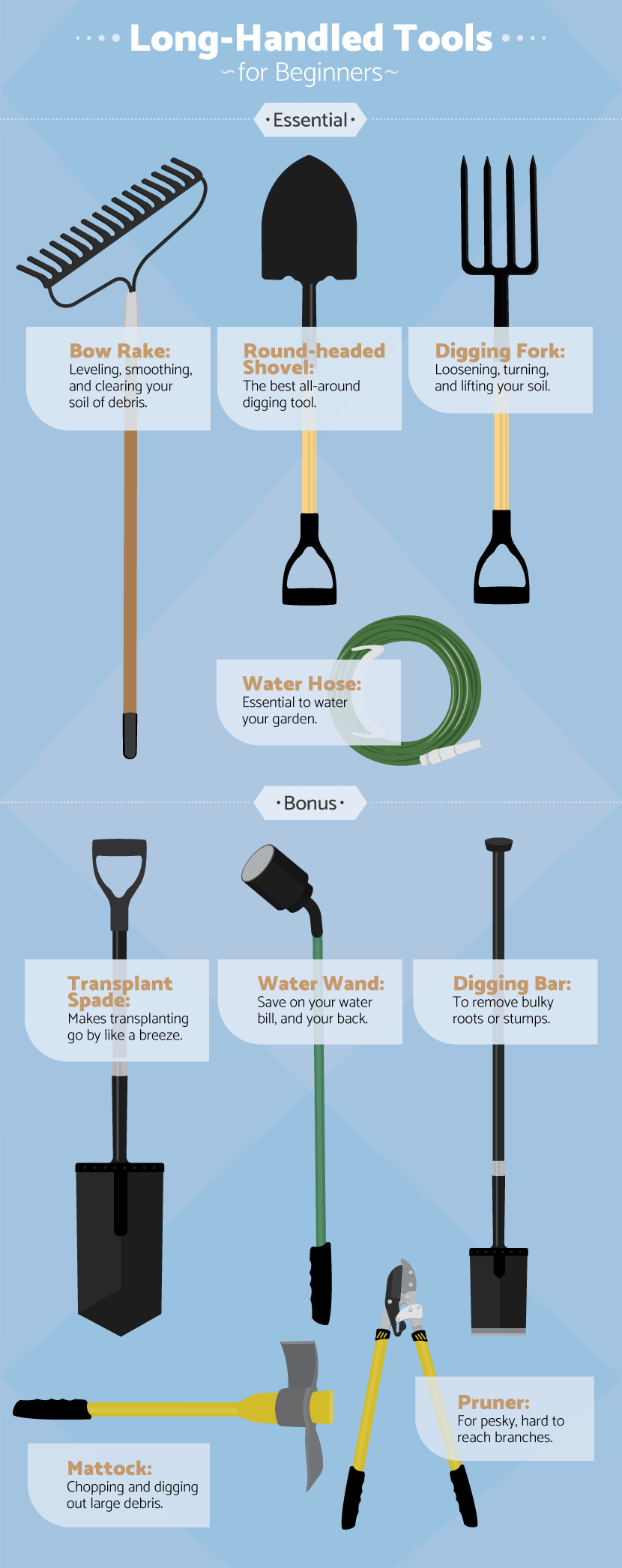
Garden hoses deliver water to your plants quickly and easily. Pick a hose that is light and flexible. This makes it easy to move around the garden. Nozzles attach to hoses to control water flow. Adjustable nozzles let you choose a gentle spray or a strong jet. This versatility helps protect delicate plants from damage.
Watering Cans
Watering cans are perfect for small gardens and indoor plants. They allow precise watering at the base of each plant. Choose a can with a comfortable handle and a detachable spout. This helps you water hard-to-reach spots. Metal and plastic watering cans both work well. Plastic cans are lighter, but metal cans last longer.
Drip Irrigation Systems
Drip irrigation systems save water by delivering it directly to plant roots. Tubes and emitters release slow, steady drops of water. This reduces water waste and keeps soil moist. These systems are easy to install and automate watering. They work great for vegetable gardens and flower beds. Drip irrigation helps plants grow with less effort.
Soil Preparation Tools
Preparing the soil is the first step for a healthy garden. Good soil helps plants grow strong and healthy. Using the right tools makes soil preparation easier and more effective. These tools help dig, loosen, and smooth the soil for planting.
Spades And Shovels
Spades and shovels are essential for digging and turning soil. A spade has a flat blade, perfect for cutting through tough ground. A shovel has a curved blade, ideal for moving soil or compost. Choose a tool with a comfortable handle to reduce hand strain.
Garden Hoes
Garden hoes break up soil and remove weeds. They help mix soil and create furrows for seeds. Use a hoe with a sturdy handle and sharp blade for best results. Hoes save time and effort in preparing garden beds.
Rakes
Rakes smooth and level the soil surface. They remove debris like leaves and stones. A garden rake has strong metal tines to work through soil easily. Use a rake to create a fine seedbed for planting small seeds.
Planting And Transplanting Aids
Planting and transplanting are key steps in gardening. Using the right tools helps plants grow strong and healthy. For beginners, simple aids make these tasks easier and more fun. These tools support young plants and protect your hands. They also help organize your garden well.
Seed Starters
Seed starters give seeds the perfect place to sprout. They hold soil and water just right. These trays or pots keep seeds safe from pests and weather. Using seed starters helps plants grow faster and stronger. They also make it easy to move seedlings to the garden.
Plant Markers
Plant markers keep track of what you have planted. Writing plant names on markers stops confusion later. They help you remember planting dates and plant types. Markers come in many styles like plastic, wood, or metal. They are simple but very useful for a neat garden.
Garden Gloves
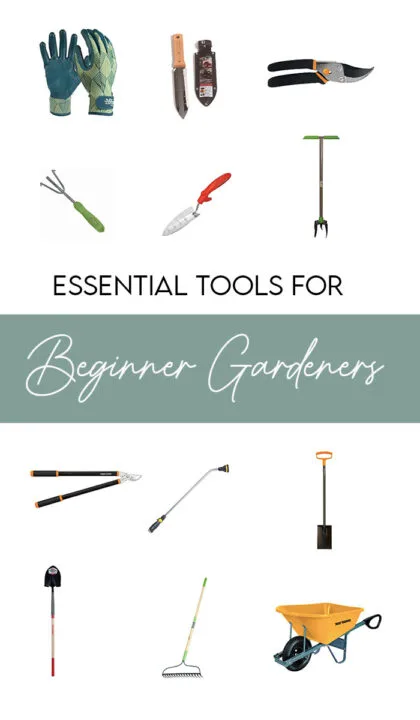
Garden gloves protect your hands from dirt and scratches. Good gloves fit well and feel comfortable. They keep your hands safe from thorns and rough soil. Gloves also help when handling tools and moving plants. Wearing gloves makes gardening safer and cleaner.
Credit: buildingbluebird.com
Tool Kits And Sets
Choosing the right gardening tools can make planting and caring for your garden easier. Tool kits and sets offer a convenient way to get all the basics in one package. These kits usually include essential tools like trowels, pruners, and cultivators. They save time and money while helping beginners start with the right equipment.
Complete Starter Kits
Complete starter kits include all the basic tools for small gardens. These kits often come with gloves, hand shovels, and pruning shears. They are perfect for beginners who want a simple and ready-to-use set. Many kits come in a carrying case for easy storage and transport.
Heavy-duty Sets
Heavy-duty sets contain stronger and larger tools for tougher tasks. These sets include durable hoes, rakes, and spades made from metal and sturdy wood. They work well for bigger gardens or hard soil. Heavy-duty tools last longer and handle more demanding gardening jobs.
Budget-friendly Options
Budget-friendly options provide good quality at a lower price. These sets usually have fewer tools but cover the basics well. They are great for beginners who want to start gardening without spending much. Many affordable kits come with comfortable handles and decent durability.
Choosing The Right Tools
Choosing the right gardening tools is key to enjoying your new hobby. Good tools make tasks easier and more fun. Beginners need tools that fit well and last long. This helps avoid hand pain and saves money. Consider comfort, material, size, and weight before buying. These factors affect how well tools work for you.
Comfort And Grip
Tools with comfortable handles reduce hand strain. Look for soft, non-slip grips that fit your hand size. Rubber or foam handles often provide good cushioning. A firm grip helps control tools better. This keeps your hands safe and pain-free during work.
Material And Durability
Strong materials like stainless steel resist rust and breakage. Durable tools last longer and handle tough soil. Avoid tools made from cheap plastic or thin metal. These wear out quickly and need frequent replacement. A good tool saves money over time.
Tool Size And Weight
Choose tools that match your body size and strength. Lightweight tools prevent fatigue during long gardening sessions. Small tools suit delicate tasks like planting seeds. Larger tools work better for digging and heavy work. Picking the right size improves your gardening experience.
Credit: www.fix.com
Maintenance Tips
Proper maintenance of gardening tools extends their life and keeps them working well. Clean tools perform better and reduce the risk of spreading plant diseases. Regular care saves money and effort in the long run.
Cleaning And Storage
After each use, remove dirt and debris from your tools. Use a stiff brush or water to clean them thoroughly. Dry tools completely before storing to avoid mold and rust. Store tools in a dry, cool place, ideally hanging or in a toolbox.
Sharpening Blades
Dull blades make gardening harder and damage plants. Sharpen blades regularly with a sharpening stone or file. Hold the blade at the correct angle and move the tool smoothly. Clean the blade after sharpening to remove metal shavings.
Rust Prevention
Rust weakens metal tools and shortens their life. Wipe metal parts with an oily cloth to create a protective layer. Avoid leaving tools outside in wet conditions. Use rust remover if rust appears, then dry and oil the tool well.
Where To Buy Tools
Finding the right place to buy gardening tools helps beginners start with confidence. Choosing the right store affects the quality, price, and variety of tools. Some prefer seeing tools in person, while others like online convenience. Here are popular options for buying gardening tools.
Local Garden Centers
Local garden centers offer a hands-on shopping experience. You can touch and test tools before buying. Staff often provide expert advice tailored to your garden type. Prices may be slightly higher but quality and service improve value. Supporting local businesses helps your community too.
Big-box Retailers
Big-box stores have a wide range of tools at competitive prices. They usually stock popular brands and starter kits. One-stop shopping for gardening and other home needs saves time. Frequent sales and discounts make them budget-friendly. These stores are easy to find in most cities.
Online Marketplaces
Online marketplaces offer huge selections and customer reviews. You can compare prices and read honest feedback from other buyers. Delivery to your door adds convenience, especially for bulky tools. Watch for shipping costs and return policies. Shopping online suits those with busy schedules or remote locations.

Credit: www.everydaycheapskate.com
Conclusion
Choosing the right tools makes gardening easier and more fun. Start with basic items like a trowel, pruners, and gloves. These tools help you plant, prune, and protect your hands. Good tools last longer and improve your work. Remember to clean and store them properly after use.
Happy gardening begins with the right equipment in hand. Keep learning and enjoy watching your garden grow. Simple tools bring great results for every beginner gardener.
