




Starting your gardening adventure can feel overwhelming, especially when you’re faced with endless tools and equipment options. But here’s the good news: you don’t need every gadget on the shelf to grow a thriving garden.
With the right essential gardening equipment, you can make your planting and caring tasks easier, more enjoyable, and successful. You’ll discover the must-have tools that every beginner gardener should have on hand. These simple, practical items will help you create the garden you’ve always wanted, without confusion or frustration.
Keep reading to unlock the secrets of smart gardening and build your perfect green space step by step.
Basic Hand Tools
Basic hand tools form the foundation of every beginner’s garden kit. They help with planting, pruning, and maintaining your garden. These tools are easy to use and essential for daily tasks in small garden spaces.
Choosing the right hand tools makes gardening simple and enjoyable. Start with a few good quality tools that fit comfortably in your hands. This section highlights the must-have basic hand tools for new gardeners.
Trowels And Spades
Trowels and spades are key for digging and planting. A trowel is small and perfect for moving soil in pots or flower beds. Spades have flat blades and help dig larger holes or turn soil.
Both tools are lightweight and easy to control. Use a trowel to transplant seedlings. Use a spade to prepare garden beds for planting.
Hand Pruners And Shears
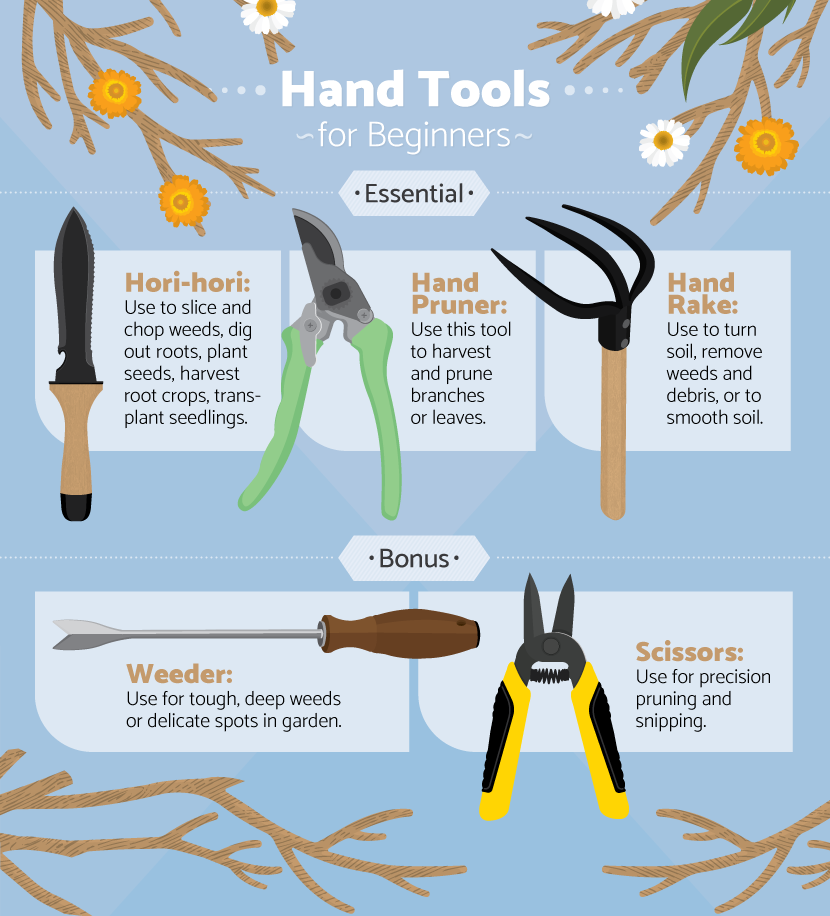
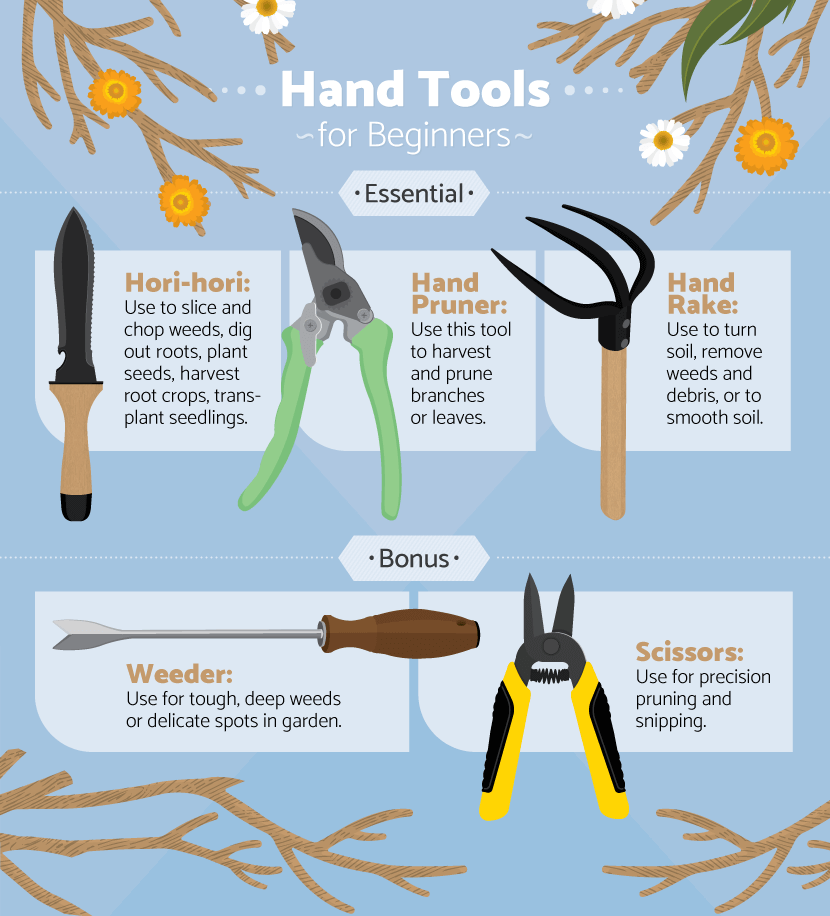
Hand pruners and shears keep plants healthy and neat. Pruners cut small stems and branches with precision. Shears trim hedges and shape bushes smoothly.
Sharp blades make clean cuts, which help plants heal fast. Regular pruning encourages growth and removes dead parts. Choose tools with comfortable grips for safety and ease.
Garden Forks And Rakes
Garden forks and rakes prepare soil and clear debris. A garden fork loosens compacted soil and removes weeds. A rake gathers leaves, grass, and small twigs.
These tools improve soil aeration and keep your garden tidy. They are ideal for working in tight spaces and around plants. Use them to create a clean and healthy garden environment.
Soil Preparation Tools
Preparing the soil is the first step to a healthy garden. Good soil helps plants grow strong and healthy. To make soil ready for planting, you need the right tools. These tools help break up hard soil, mix nutrients, and check soil health. Using proper soil preparation tools makes gardening easier and more fun for beginners.
Shovels And Hoes
Shovels help dig holes and move soil easily. They come with different blade shapes for various tasks. Hoes break up soil clumps and remove weeds. Using a hoe helps keep soil loose and aerated. Both tools are simple but very useful for garden preparation.
Garden Tillers
Garden tillers are machines that turn the soil quickly. They break up compacted soil and mix in compost or fertilizer. Tillers save time and reduce hard work. Small tillers work well for beginners with medium or large gardens.
Soil Testing Kits
Soil testing kits check the soil’s pH and nutrient levels. Knowing soil health helps you add the right fertilizers. These kits are easy to use and give quick results. Testing soil prevents problems and helps plants grow better.
Watering Equipment
Water is vital for healthy plants. Choosing the right watering equipment helps you keep your garden fresh. Using suitable tools saves time and controls water use effectively. Beginners should start with basic but reliable watering options.
Hoses And Nozzles
A garden hose delivers water directly to plants. Look for hoses that are flexible and strong. A good nozzle fits on the hose end and controls water flow. Adjustable nozzles let you switch between spray patterns. This helps water delicate flowers or soak large areas.
Watering Cans
Watering cans are easy to carry and use for small gardens. They allow gentle watering without flooding the soil. Choose cans with a long spout for precise watering. This avoids wetting leaves, which can cause disease. Metal or plastic cans both work well for beginners.
Drip Irrigation Systems
Drip irrigation delivers water slowly near plant roots. It reduces water waste and keeps soil moist longer. These systems use tubes with small holes or emitters. Set them on a timer for automatic watering. Drip irrigation suits vegetable gardens and flower beds alike.
Credit: baysidegardencenter.com
Planting Essentials
Planting is the heart of gardening. It starts the growth of your plants and flowers. Using the right tools makes planting easier and more fun. Beginners need simple, useful items to begin their garden journey.
Seed Starters And Trays
Seed starters help young plants grow strong. These trays hold soil and seeds safely. They keep moisture and warmth, which seeds need to sprout. Using seed trays saves space and keeps your garden neat. They also protect seeds from pests and harsh weather.
Plant Markers
Plant markers help you remember what you planted. They are simple sticks or tags with plant names. Markers stop confusion, especially with many seeds or plants. Writing on markers with a waterproof pen keeps names clear. You can also note the planting date for tracking growth.
Garden Gloves
Garden gloves protect your hands from dirt and thorns. They keep your skin clean and safe from cuts. Gloves improve grip, making it easier to handle tools and plants. Choose gloves that fit well and feel comfortable. Durable gloves last longer and handle many garden tasks.
Pruning And Maintenance Tools
Pruning and maintenance tools keep your garden healthy and tidy. These tools help trim plants, remove dead parts, and control weeds. Using the right tools makes gardening easier and more enjoyable. Beginners need a few basic tools to start pruning and maintaining their garden well.
Loppers And Saws
Loppers cut thick branches that hand pruners cannot handle. They have long handles to give more leverage and power. Saws are useful for cutting larger branches or small tree limbs. Both tools help shape plants and remove old or damaged wood. Choose loppers and saws with sharp blades for clean cuts.
Garden Knives
Garden knives are versatile tools for pruning and other tasks. They cut stems, roots, and small branches easily. Some garden knives have serrated edges to saw through tough material. These knives also help divide plants and harvest vegetables. Keep your garden knife sharp for safe and effective use.
Weeding Tools
Weeding tools remove unwanted plants that compete with your garden plants. Hand weeders and hoes pull weeds from the soil without disturbing roots. These tools save time and reduce strain on your hands. Regular weeding keeps your garden neat and prevents weed growth. Choose comfortable handles for easier use.
Safety And Comfort Gear
Safety and comfort are key for every beginner gardener. Wearing the right gear helps avoid injuries and makes gardening more enjoyable. Choosing suitable equipment protects your skin, joints, and muscles. It also keeps you comfortable during long hours outdoors.
Protective Clothing
Wear sturdy gloves to protect your hands from cuts and dirt. Long sleeves and pants guard against scratches, insect bites, and thorny plants. Waterproof boots keep your feet dry and safe from sharp objects. Choose breathable fabrics to stay cool while working.
Kneeling Pads
Kneeling pads provide cushioning for your knees on hard or rough soil. They reduce strain and prevent pain during planting or weeding. Lightweight and portable pads are easy to carry around your garden. Using them helps you work longer without discomfort.
Sun Protection
Gardening often means hours under the sun. Use a wide-brimmed hat to shield your face and neck. Sunglasses protect your eyes from harmful UV rays. Apply sunscreen with SPF 30 or higher to exposed skin. Sun protection lowers the risk of sunburn and heat exhaustion.
Tool Storage Solutions
Keeping your gardening tools organized protects them and saves time. Proper tool storage helps maintain tool quality and extends their life. It also makes gardening easier by having everything ready and in one place. Explore simple and effective storage options to keep your tools neat and accessible.
Toolboxes And Bags
Toolboxes and bags are great for small tools like pruners and trowels. They are portable and easy to carry around the garden. Many have pockets and compartments to separate tools and seeds. Choose lightweight materials for comfort during use. Tool bags also protect tools from dirt and moisture.
Garden Sheds
Garden sheds offer a larger space to store all your gardening equipment. They keep tools safe from weather and theft. Sheds provide room for bigger tools like shovels and rakes. You can add shelves or hooks inside to organize items neatly. A shed also creates a dedicated spot for gardening tasks.
Wall Organizers
Wall organizers save floor space by using vertical areas. Hooks and racks hold tools like hoses, spades, and gloves. They make tools visible and easy to grab quickly. Install wall organizers in sheds, garages, or patios. This keeps your garden area tidy and tools within reach.
Credit: baysidegardencenter.com
Budget-friendly Options
Starting a garden does not need to be expensive. Many budget-friendly options help beginners gather essential tools without spending much. Smart choices allow you to enjoy gardening while saving money for seeds and plants. These options include buying starter sets, secondhand tools, and even making your own equipment.
Starter Tool Sets
Starter tool sets offer several basic tools in one package. They usually include a trowel, hand fork, and pruners. These sets cost less than buying tools separately. Many garden centers and online shops sell affordable kits made for beginners. Choosing a set ensures you have all necessary tools to begin gardening.
Secondhand Tools
Secondhand tools come at a lower price than new ones. Check garage sales, thrift stores, or online marketplaces for used gardening equipment. Tools in good condition work just as well and last long. Buying secondhand helps reduce waste and supports a sustainable lifestyle. Always clean and sharpen tools before use for better performance.
Diy Alternatives
DIY alternatives save money and add a personal touch to gardening. You can make tools from household items like old spoons or forks for small digging tasks. Wooden sticks or sturdy wire can serve as plant supports. Creating your own equipment encourages creativity and resourcefulness. This approach works well for small gardens or simple tasks.
Tips For Tool Maintenance
Proper maintenance keeps gardening tools working well and lasting longer. Simple care steps protect your investment and make gardening easier. Regular upkeep prevents rust, dullness, and damage. It also improves tool safety and performance. Follow these tips to maintain your gardening equipment effectively.
Cleaning And Sharpening
Clean tools after every use. Remove dirt and sap with water and a brush. Dry tools thoroughly to avoid rust. Use steel wool or sandpaper for stubborn grime. Sharpen blades regularly for smooth cutting. A sharp tool reduces effort and protects plants. Use a file or sharpening stone for blades.
Proper Storage
Store tools in a dry place to prevent rust. Hang tools on hooks or pegboards to keep them off the ground. Keep small tools in containers or toolboxes. Avoid leaving tools outside or on wet soil. Proper storage keeps tools safe and ready to use.
Regular Inspections
Check tools before and after use for damage. Look for loose handles, cracks, or rust spots. Tighten screws and replace worn parts quickly. Early repairs stop small issues from getting worse. Regular inspections ensure tools stay reliable and safe.

Credit: dragonfiretools.com
Choosing Tools For Your Garden Size
Choosing the right gardening tools depends largely on your garden’s size. Selecting tools that fit your space saves time and effort. It also makes gardening more enjoyable and productive. Different garden sizes need different types of equipment. This guide helps beginners pick the best tools for their garden size.
Small Space Gardening
Small gardens or balconies need compact and lightweight tools. Hand trowels, small pruners, and mini rakes work well. Choose foldable or multi-use tools to save storage space. Container gardening benefits from precise tools for planting and pruning. Avoid large shovels or heavy equipment that can be hard to manage.
Medium-sized Gardens
Medium gardens need a wider range of tools for various tasks. A sturdy spade, garden fork, and hoe help with soil preparation. Hand pruners and loppers manage shrubs and small trees. A wheelbarrow makes moving soil and plants easier. Consider tools with comfortable grips for longer use.
Large Garden Considerations
Large gardens require durable and efficient tools to cover more area. Long-handled tools reduce bending and strain. Lawn mowers and string trimmers keep grass neat. Heavy-duty pruners and saws manage bigger plants and trees. Investing in quality equipment saves time and effort over many seasons.
Conclusion
Choosing the right gardening tools makes your work easier and more fun. Start with simple equipment like a trowel, pruners, and a hand rake. These tools help you plant, prune, and keep your garden neat. Good tools save time and effort, letting you enjoy gardening more.
Remember to care for your tools to keep them lasting longer. With the right gear, gardening becomes a rewarding hobby anyone can enjoy. Happy gardening!
