




Starting a garden can be exciting, but choosing the right tools might feel overwhelming. You don’t need a huge collection to get going—just a few basic gardening tools can make all the difference in helping your plants thrive.
Imagine how much easier digging, planting, and watering will be when you have the right equipment in your hands. You’ll discover the essential tools every beginner needs, why each one matters, and how to pick the best options for your garden.
By the end, you’ll feel confident and ready to grow your green space with ease. Keep reading to find out exactly what tools will set you up for success!
Essential Hand Tools
Gardening starts with the right hand tools. These tools help with planting, pruning, and maintaining your garden. Beginners need tools that are easy to use and reliable. Essential hand tools make gardening tasks simpler and more enjoyable. They also help protect your plants and save your time.
Hand Trowel Uses
The hand trowel is a small, pointed tool for digging holes. It works well for planting seeds, bulbs, and small plants. Use it to loosen soil and remove weeds. Its size fits perfectly in your hand for precise work. A sturdy hand trowel improves your gardening accuracy and speed.
Pruning Shears Benefits
Pruning shears cut branches and stems cleanly. They help keep plants healthy by removing dead parts. Sharp shears prevent damage to plants, allowing them to grow better. They are easy to handle and reduce hand fatigue. Regular pruning with shears encourages stronger and fuller plants.
Hand Rake Functions
The hand rake helps to clear soil and remove debris. It breaks up clumps of dirt and levels garden beds. Use it to gather leaves and small weeds. A hand rake prepares the soil for planting and improves air flow. It keeps your garden tidy and healthy.
Garden Gloves Importance
Garden gloves protect your hands from dirt and cuts. They prevent blisters when using tools for long periods. Gloves also guard against thorns and sharp objects. Wearing gloves keeps your skin clean and safe. Comfortable gloves make gardening easier and more pleasant.
Credit: www.fix.com
Digging And Planting Gear
Digging and planting gear forms the heart of any beginner’s gardening toolkit. These tools help prepare the soil and place plants securely. Good gear makes gardening easier and more enjoyable. Using the right tools leads to healthier plants and better growth.
Shovel Vs Spade
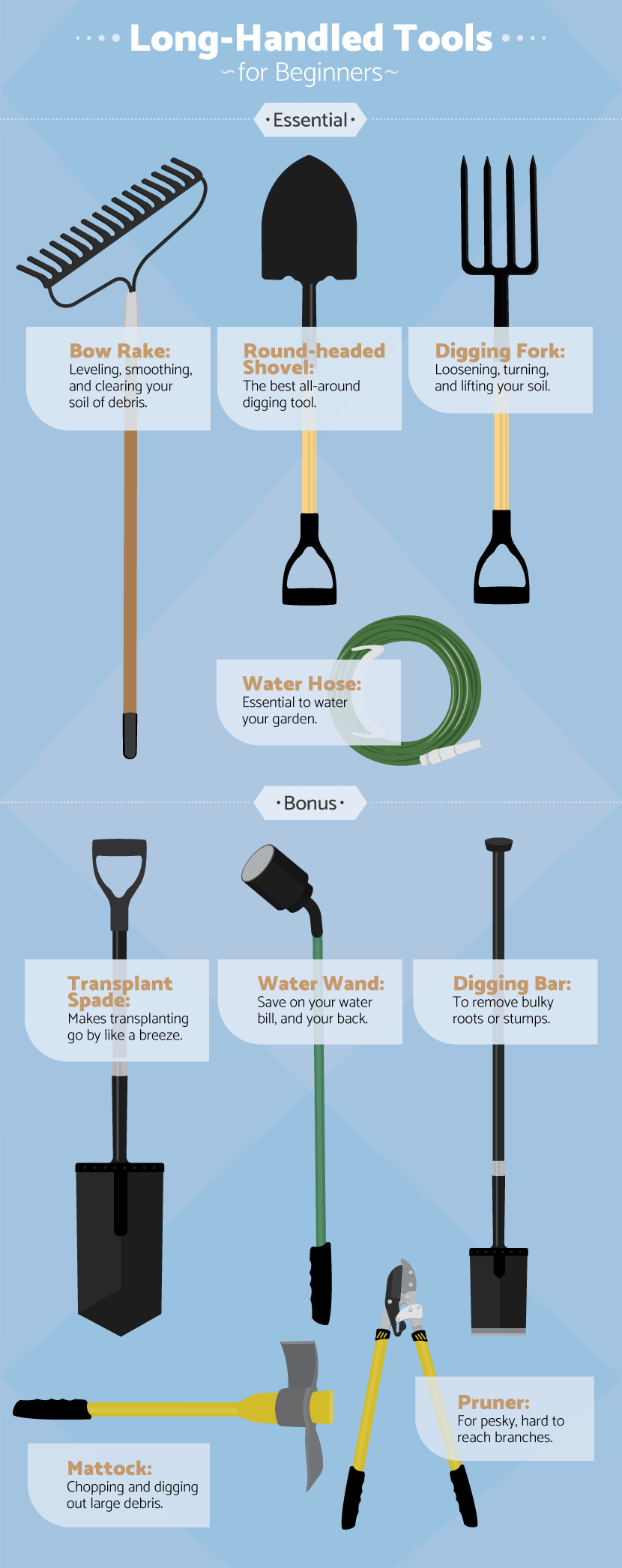
Both shovel and spade are essential for digging. The shovel has a curved blade, perfect for moving soil. It works well for digging holes and scooping dirt. The spade has a flat, rectangular blade. It cuts through soil edges and roots cleanly. Choose a shovel for digging and a spade for edging.
Dibber And Planting Line
A dibber creates small holes for seeds or seedlings. It helps plant at the right depth quickly. The planting line ensures straight rows in your garden beds. Stretch the line tight to guide your planting. Using both tools improves garden layout and plant spacing.
Hori Hori Garden Knife
The hori hori knife is a versatile digging and cutting tool. It has a sharp, curved blade with measurement marks. You can dig, cut roots, and transplant with it. It fits comfortably in hand and is easy to control. This knife is a favorite for many gardeners.
Watering Equipment
Watering equipment is a key part of basic gardening tools for beginners. Proper watering helps plants grow strong and healthy. Choosing the right tools makes watering easier and more efficient. This section covers simple options like watering cans and garden hoses. It also shares useful irrigation tips for all gardeners.
Choosing A Watering Can
A watering can is perfect for small gardens and pots. Look for one that is lightweight and easy to carry. A can with a long spout reaches plants without bending. Choose a size that fits your garden’s needs but is not too heavy when full. Plastic cans are affordable and rust-proof. Metal cans last longer but may be heavier.
Using A Garden Hose
A garden hose covers larger areas quickly. Pick a hose with a durable material to avoid leaks. A hose reel helps keep it tidy and prevents tangles. Use a nozzle to control water flow and pressure. This saves water and protects plants. Turn off the hose when not in use to avoid waste.
Irrigation Tips
Water plants early in the morning or late in the evening. This reduces evaporation and helps roots absorb water. Water deeply but less often to encourage strong roots. Avoid wetting leaves to prevent disease. Mulch around plants keeps soil moist longer. Check soil moisture regularly to adjust watering as needed.

Credit: dragonfiretools.com
Tool Maintenance
Proper tool maintenance keeps your gardening tools working well. It saves money by avoiding early replacements. Clean, sharp, and well-stored tools make gardening easier and more enjoyable. This section covers simple steps to care for your basic gardening tools.
Cleaning And Sharpening
Remove dirt and sap from tools after each use. Use a stiff brush or cloth with water to clean them. Dry tools thoroughly to stop rust from forming. Sharpen blades on pruners and shears with a sharpening stone. Sharp tools cut better and reduce plant damage. Regular cleaning and sharpening keep tools safe and efficient.
Storage Solutions
Store tools in a dry, sheltered place like a shed or garage. Hang tools on hooks or use a pegboard for easy access. Avoid leaving tools on the ground where moisture can cause rust. Use tool racks or boxes to keep items organized. Proper storage stops damage and extends the life of your tools.
Extending Tool Life
Oil metal parts to prevent rust and keep joints moving smoothly. Inspect tools regularly for loose handles or broken parts. Tighten screws and replace worn parts when needed. Use tools only for their intended purpose to avoid damage. Careful use and regular upkeep help your tools last longer and perform better.
Additional Useful Tools
Basic gardening tools cover most daily tasks, but some additional tools make work easier. These tools help move soil, break hard ground, and carry heavy loads. They save time and reduce effort for beginners.
Wheelbarrow And Cart
A wheelbarrow or garden cart helps carry soil, plants, and tools. It reduces trips back and forth. Choose a sturdy one with a comfortable handle. It moves heavy loads smoothly, saving energy and time.
Garden Fork And Hoe
A garden fork loosens compact soil and removes weeds. It works well in rocky or hard ground. A hoe helps break up soil and clear weeds quickly. Both tools prepare the soil for planting and keep the garden tidy.
Heavy-duty Planter Bags
Planter bags are great for growing plants in small spaces. Heavy-duty bags hold soil and plants well. They drain water easily and are portable. These bags let beginners grow vegetables or flowers anywhere.
Credit: www.businessinsider.com
Buying Tips For Beginners
Choosing the right gardening tools can make your first gardening experience easier and more enjoyable. Beginners should focus on finding tools that match their needs without spending too much. It helps to balance cost, quality, and convenience. Here are some tips to guide you when buying basic gardening tools.
Budget-friendly Options
Start with simple and affordable tools. Basic hand trowels, pruning shears, and gloves often cost under $20. Many stores offer starter kits that include several essential tools for a low price. These kits save money and provide everything you need to begin. Avoid expensive tools until you know which ones suit your gardening style.
Quality Vs Price
Cheap tools may break quickly and cause frustration. Look for sturdy materials like stainless steel and hardwood handles. Mid-range tools often last longer and feel comfortable to use. Spending a little more can mean fewer replacements and better results. Check user reviews to find tools that offer good value without overspending.
Where To Shop Locally
Local garden centers and hardware stores offer hands-on shopping experience. You can feel tool weight and grip before buying. Stores like Home Depot, Lowe’s, and Walmart stock beginner-friendly tools at reasonable prices. Support small nurseries or farmers markets for unique or handmade items. Local shops often provide advice tailored to your area’s climate and soil.
Conclusion
Starting with the right tools makes gardening easier and more enjoyable. A hand trowel, pruning shears, gloves, and a watering can cover most beginner needs. These simple tools help with digging, planting, pruning, and watering. Choose durable, comfortable tools to save time and effort.
Regular care of your tools keeps them working well longer. Gardening grows with patience and practice, so keep learning and experimenting. Enjoy the process of watching your plants thrive and your garden bloom. Simple tools and steady care bring great rewards in gardening.
