




Starting your gardening adventure can feel overwhelming, especially when faced with countless tools and options. But what if you had a simple, reliable set of beginner-friendly gardening tools that make every step easier and more enjoyable?
Whether you’re planting your first seeds or tending to a small backyard patch, having the right tools helps you work smarter, not harder. You’ll discover essential tools designed just for beginners—tools that fit your hands comfortably, simplify tasks, and turn gardening from a chore into a joyful experience.
Keep reading to find out how these beginner-friendly gardening tools can transform your green space and boost your confidence as a gardener.
Must-have Gardening Tools
Starting a garden requires the right tools to make work easy and fun. Must-have gardening tools help beginners care for plants without stress. These tools are simple, effective, and affordable. They assist in planting, pruning, and maintaining your garden. Using the right tools also keeps your hands safe and healthy.
Essential Hand Tools
Hand tools are the backbone of any garden. A good trowel helps dig small holes for seeds and seedlings. A hand fork loosens soil and removes weeds. A weeder is perfect for pulling out tough roots. These tools fit comfortably in your hand and are easy to control. Beginners should choose tools with sturdy handles and sharp edges.
Cutting And Pruning Tools
Pruning tools keep plants healthy and tidy. Bypass pruners cut branches cleanly without crushing them. They work well on flowers and small shrubs. Garden scissors help trim leaves and dead flowers. For thicker branches, a pruning saw is useful. Sharp blades make cutting easier and reduce damage to plants. Always clean your tools after use.
Digging And Planting Tools
Digging tools prepare soil for planting. A garden spade is good for turning soil and digging holes. A shovel helps move soil, compost, or mulch. A hoe breaks up hard soil and removes weeds. These tools save time and effort when starting new beds. Choose lightweight tools to avoid fatigue during long work sessions.

Credit: www.amazon.com
Choosing Tools For Beginners
Choosing the right gardening tools is important for beginners. The right tools make gardening easier and more enjoyable. Beginners should focus on tools that fit well and work well. Simple, reliable tools help build confidence and success. Here are key points to consider when selecting tools for new gardeners.
Comfort And Ergonomics
Comfort is essential for beginner gardeners. Tools with soft grips reduce hand strain. Ergonomic designs fit the natural shape of hands. Lightweight tools help avoid fatigue during long use. Comfortable tools encourage regular gardening and reduce the risk of injury.
Durability And Material
Durable tools last longer and save money. Look for tools made with strong metals like stainless steel. Rust-resistant materials keep tools working well over time. Handles made from hardwood or sturdy plastic offer good strength. Durable tools perform better and feel reliable in use.
Ease Of Use
Simple tools are best for beginners. Tools with clear, easy functions help new gardeners learn quickly. Avoid complex or heavy tools that can cause frustration. Multi-purpose tools save space and money. Easy-to-use tools increase confidence and make gardening fun.
Tool Sets Vs. Individual Picks
Choosing between gardening tool sets and individual tools is important for beginners. Both options have clear benefits. Understanding these helps you buy tools that fit your needs and budget.
Advantages Of Tool Sets
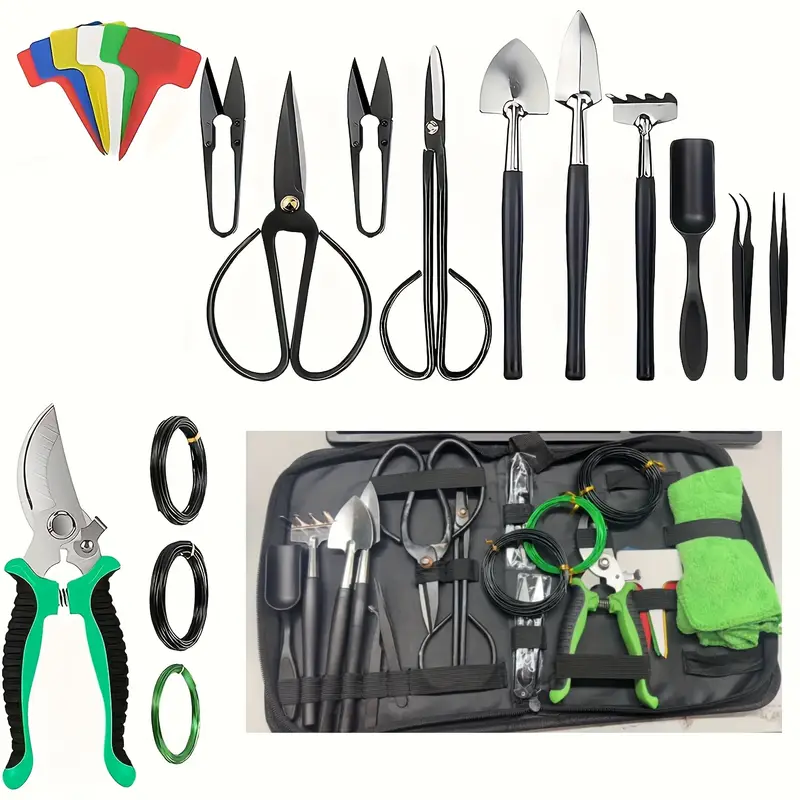
Tool sets include several basic tools in one package. They usually have a trowel, cultivator, pruners, and a weeder. Buying a set saves money compared to buying tools separately. Sets are ready to use right away, saving time and effort. They often come with a carrying bag for easy storage and transport. Beginners get all essential tools without guessing what to buy. Sets also ensure tool styles and sizes match well.
When To Buy Individual Tools
Individual tools work best if you want specific items. You may already have some tools and only need a few more. Sometimes, a single high-quality tool outlasts a whole set. Specialized tools, like a hori hori knife or pruning saw, are not in most sets. Buying one tool at a time lets you focus on quality over quantity. It also helps if you prefer certain brands or designs. Individual picks fit gardeners with clear tool needs and some experience.
Credit: www.temu.com
Budget-friendly Options
Starting a garden does not have to be expensive. Many tools fit tight budgets without losing quality. Choosing budget-friendly gardening tools helps beginners enjoy planting without stress. Simple tools can do the job well and last for seasons.
Affordable options often include basic hand tools. These cover most garden tasks like digging, planting, and pruning. Spending less on tools leaves more money for seeds and plants. Smart choices in tools save both time and effort.
Affordable Tools From Major Retailers
Big stores like Home Depot, Walmart, and Lowe’s offer beginner-friendly tools. These places sell sets with trowels, pruners, and cultivators at low prices. Many kits cost under $20, perfect for small budgets. The tools usually come with comfortable handles for easy use.
Choosing tools from major retailers means easy returns and warranty support. These stores also stock replacement parts and extra supplies. Beginners find it simple to shop in-store or online with fast delivery options.
Finding Deals And Discounts
Seasonal sales bring great savings on gardening tools. Watch for discounts during spring and fall when gardening peaks. Coupon codes and store apps often offer extra price cuts. Signing up for newsletters can alert buyers to special offers.
Clearance sections at garden centers and hardware stores have useful tools at reduced prices. Buying during off-season months can lower costs further. Used tools in good condition also provide budget-friendly alternatives.
Maintaining Gardening Tools
Maintaining gardening tools is essential for every beginner gardener. Well-kept tools work better and last longer. Simple care habits save money and time. Regular maintenance keeps your tools safe and ready for use. It also helps plants grow healthier by preventing damage from dull or dirty tools.
Cleaning And Storage Tips
After each use, clean soil and debris from tools. Use a stiff brush or cloth for scrubbing. Wash metal parts with water and dry them thoroughly. This prevents rust and decay. Store tools in a dry, sheltered place. Hang them on hooks or keep them in a toolbox. Avoid leaving tools on the ground or outside exposed to rain. Proper storage keeps tools sharp and safe.
Sharpening And Repairs
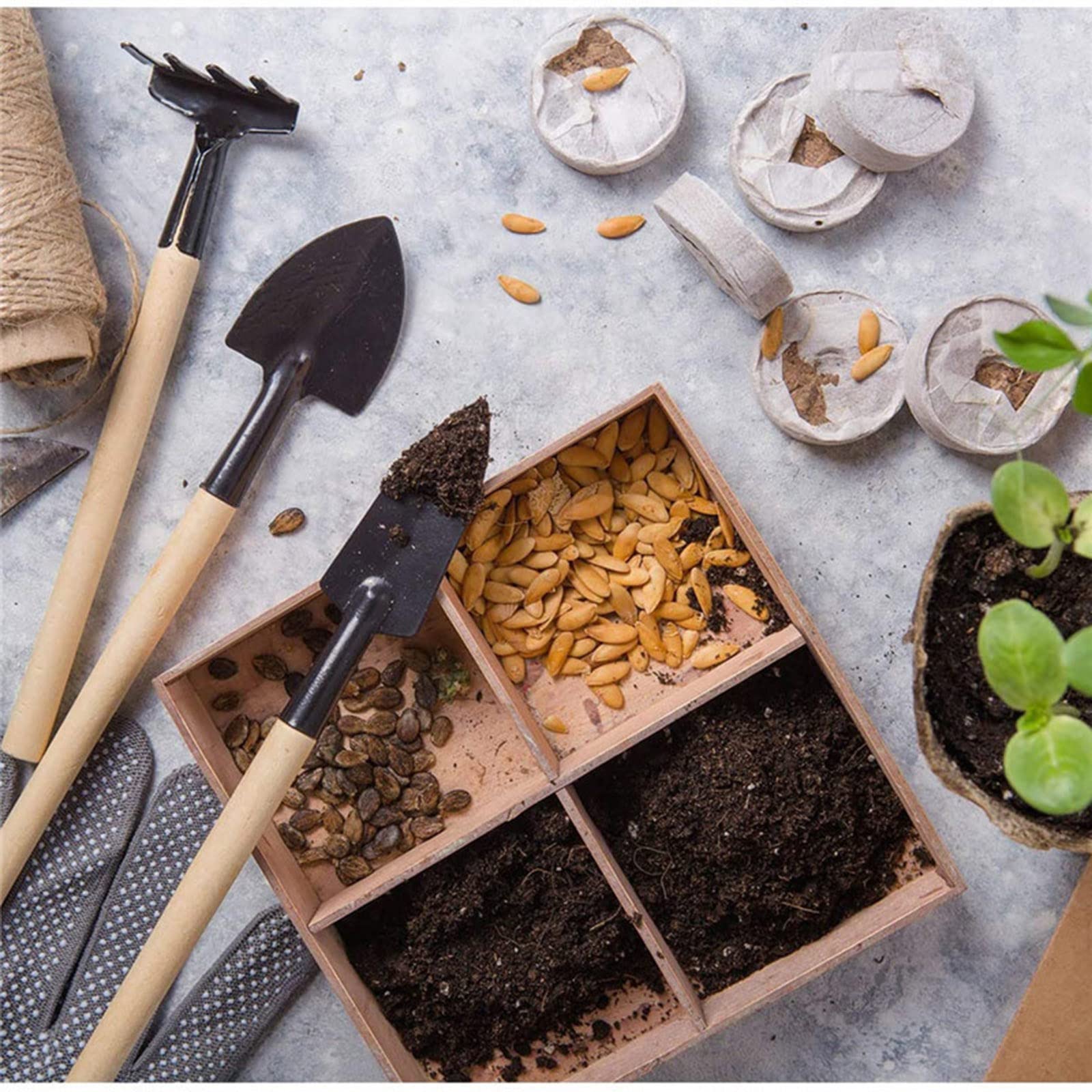
Dull blades make gardening harder and damage plants. Sharpen blades regularly with a file or sharpening stone. Always follow the blade’s original angle for best results. Check handles for cracks or splinters. Sand rough spots to avoid injury. Tighten loose screws and replace broken parts quickly. Small repairs keep tools working well and extend their life.
Credit: www.amazon.com
Additional Helpful Accessories
Gardening tools are essential, but some extra accessories can make your work easier. These helpful items protect you and keep your tools organized. They are simple but very useful for beginners. Adding these accessories improves your gardening experience and saves time.
Gloves And Protective Gear
Gloves protect your hands from dirt, thorns, and cuts. They also keep your hands clean and dry. Choose gloves that fit well and feel comfortable. Some gloves are made for different tasks, like planting or pruning.
Protective gear includes hats, knee pads, and safety glasses. Hats shield your face from the sun. Knee pads make kneeling more comfortable. Safety glasses protect your eyes from debris. These items help you work safely and comfortably.
Tool Organizers And Carriers
Tool organizers keep your gardening tools in one place. They prevent tools from getting lost or damaged. You can use tool belts, bags, or boxes to carry your tools.
Carriers make it easy to move your tools around the garden. A sturdy carrier saves trips back and forth. Choose one with pockets and compartments for better organization.
Applying The Rule Of Three In Gardening
Applying the rule of three in gardening helps create simple, attractive designs. This rule suggests grouping plants or objects in threes. It makes gardens feel balanced and natural. Beginners find it easy to use and visually pleasing. The rule works well with various garden tools and plants.
Creating Balanced Plant Groupings
Planting in groups of three offers a balanced look. It avoids overcrowding while filling space nicely. Choose three plants of the same type or color. This grouping draws the eye and feels complete. It is easier to care for fewer types. Groups of three also help beginners plan their garden layout.
Layering Plants For Visual Interest
Use three layers of plants to add depth. Start with low plants in front, medium in the middle, and tall at the back. This layering makes the garden look full and lively. It shows off different textures and colors. Layering is simple and works well with basic gardening tools. It helps beginners see clear zones in their garden.
Conclusion
Starting with simple, reliable tools makes gardening fun and easy. Choose items that feel comfortable and suit your garden size. Regular use helps you learn and grow your skills steadily. Remember, patience and care bring the best results. Enjoy each step and watch your garden come alive.
Gardening can be a relaxing and rewarding hobby for everyone. Keep your tools clean and stored properly for long-lasting use. Small efforts daily create beautiful gardens over time.
