



Starting your own garden can feel exciting but also a bit overwhelming. You might wonder what tools and supplies you really need to get going without spending too much or buying things you won’t use.
The good news is, with the right essentials, gardening becomes simpler, more enjoyable, and rewarding. In this guide, you’ll discover the must-have gardening supplies that every beginner should have on hand. These tools will help you nurture your plants, save time, and avoid common mistakes.
Ready to grow your green thumb with confidence? Let’s dive in and make your gardening journey a success!
Basic Tools For Starters
Starting a garden requires some basic tools to make planting and maintenance easier. These tools help you dig, prune, and prepare the soil effectively. Having the right tools improves your gardening experience and saves time. Below are essential gardening tools every beginner should have.
Hand Pruners And Their Uses
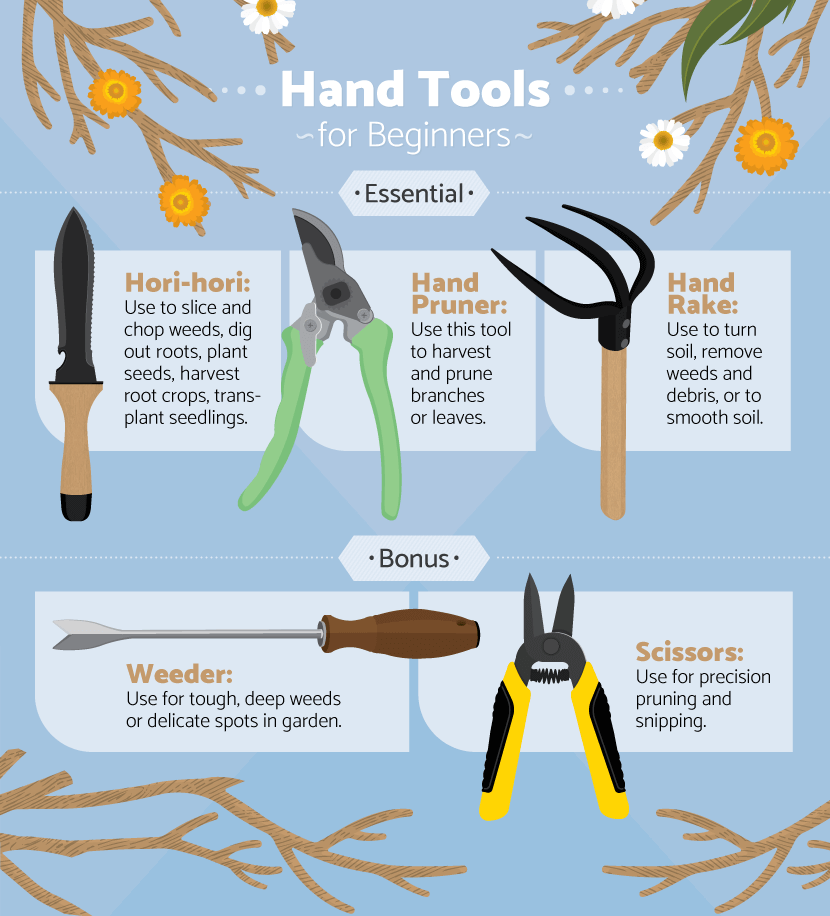
Hand pruners are small scissors for plants. They cut small branches, flowers, and leaves. Use them to shape plants and remove dead parts. Sharp pruners make clean cuts that heal fast. This tool keeps your plants healthy and neat.
Choosing The Right Trowel
A trowel is a small digging tool with a pointed blade. Use it for planting seeds, bulbs, and small plants. It also helps in mixing soil and fertilizers. Pick a trowel with a comfortable handle and strong blade. This tool is handy for many garden tasks.
Shovels And Spades Explained
Shovels and spades both dig, but they work differently. Shovels have curved blades for moving soil and compost. Spades have flat blades to cut through soil and roots. Beginners need both for digging holes and turning soil. Choose sturdy tools with good grips.
Importance Of A Garden Knife
A garden knife is a sharp tool for cutting and digging. It can open bags of soil or fertilizer. Use it for dividing plants and scraping weeds. This tool is versatile and useful for many small garden jobs. Keep the blade sharp for best results.
Hand Rakes For Soil Preparation
Hand rakes have short handles and metal tines. They break up soil clumps and remove debris. Use hand rakes to level soil before planting. They help create a smooth bed for seeds. This tool improves soil texture and plant growth.
Credit: baysidegardencenter.com
Tool Sets And Where To Buy
Starting a garden requires the right tools to make the work easier and more enjoyable. Tool sets designed for beginners include all basic equipment needed for planting and maintenance. Choosing the right set helps save time and effort. Knowing where to buy these tools is just as important. You want quality tools that fit your budget and gardening needs.
Affordable Tool Kits Overview
Affordable gardening tool kits usually include essential items like a trowel, pruners, hand rake, and gloves. These kits suit small gardens and container planting. Prices often range from $10 to $25, making them great for beginners. Look for kits with comfortable handles and sturdy materials. Lightweight tools reduce hand strain during long gardening sessions.
Best Stores In Austin For Gardening Supplies
Austin offers several stores with good gardening selections. Home Depot stocks a variety of affordable kits and tools. Lowe’s has quality hand tools perfect for beginners. Walmart provides budget-friendly options with decent quality. Harbor Freight Tools offers basic kits at low prices. Visiting these stores allows you to see and feel the tools before buying.
Online Vs In-store Shopping
Online shopping offers convenience and a wider selection of gardening tool sets. You can compare prices and read reviews easily. Shipping might take a few days, so plan ahead. In-store shopping lets you test tool weight and grip. It also provides immediate purchase without waiting. Both options have benefits depending on your needs and time.
Garden Design Essentials
Garden design creates the foundation of a beautiful outdoor space. It shapes how plants grow and how your garden looks all year. Choosing the right plants and arranging them well makes gardening easier and more rewarding.
Start with plants that give your garden structure. Add colorful plants to brighten different seasons. Include native plants to support local wildlife and keep your garden natural and lively.
Structure Plants For Year-round Shape
Structure plants are the backbone of your garden design. These include shrubs, perennials, and small trees that keep their shape through all seasons. They provide a steady form and guide the eye across the garden.
Choose plants that are easy to care for and stay attractive in fall and winter. Plant them in groups or lines to create paths and borders. This creates a clear, organized look that feels welcoming and balanced.
Adding Seasonal Color With Filler Plants
Filler plants add bursts of color to your garden at different times of the year. They include annuals and fast-growing perennials that bloom for a short time. These plants keep your garden lively and interesting.
Place filler plants in small, scattered spots to surprise visitors. Their bright flowers or unique shapes contrast well with the stable structure plants. Change them each season to keep your garden fresh and colorful.
Using Native Plants To Support Wildlife
Native plants are important for a healthy garden ecosystem. They provide food and shelter for local insects, birds, and other wildlife. This helps keep your garden alive and balanced naturally.
Pick native species that match your garden’s style and climate. These plants usually need less water and care. They create a natural habitat and connect your garden with the surrounding environment.

Credit: dragonfiretools.com
Plant Grouping Techniques
Plant grouping techniques help create a beautiful and balanced garden. Grouping plants properly improves growth and appearance. Beginners can use simple methods to arrange plants effectively. Good grouping makes the garden look natural and inviting. It also helps plants support each other.
Applying The Rule Of Three
The rule of three means planting three of the same plant together. Groups of three create a natural and pleasing look. Odd numbers, like three, five, or seven, work best for groupings. This technique avoids a cluttered or random feel. It helps plants stand out and gives the garden rhythm.
Creating Focal Points With Groupings
Focal points draw attention to special areas in the garden. Group bright or tall plants to form a focal point. Use contrasting colors or shapes to make the grouping pop. Place focal points near paths or seating areas. This guides the eye and adds interest to the garden.
Balancing Plant Heights And Textures
Balance different plant heights for a layered look. Taller plants go in the back or center of the group. Medium and low plants fill in the front and edges. Mix smooth and rough leaf textures to add depth. This balance creates harmony and keeps the garden lively.
Maintenance Tools For Success
Maintaining a healthy garden requires the right tools. Maintenance tools help keep plants strong and productive. These tools make pruning, harvesting, and care easier. Having proper tools saves time and effort.
Pruning Saws For Larger Branches
Pruning saws cut thick branches that hand pruners cannot handle. They are ideal for shaping trees and large shrubs. A sharp pruning saw makes clean cuts that heal faster. Use a saw with a comfortable handle for better control. Regular pruning supports plant growth and prevents disease.
Fruit Saws For Harvesting
Fruit saws help pick ripe fruits without damage. Their small, sharp blades cut fruit stems cleanly. This tool prevents bruising and keeps fruit fresh longer. It is perfect for harvesting apples, peaches, or pears. Using the right fruit saw protects your harvest and plants.
Regular Tool Care Tips
Keep tools clean by wiping off dirt after use. Sharpen blades regularly to maintain cutting power. Oil metal parts to prevent rust and keep tools smooth. Store tools in a dry place to avoid damage. Proper care extends the life of your gardening tools.
Credit: porchdaydreamer.com
Garden Accessories To Consider
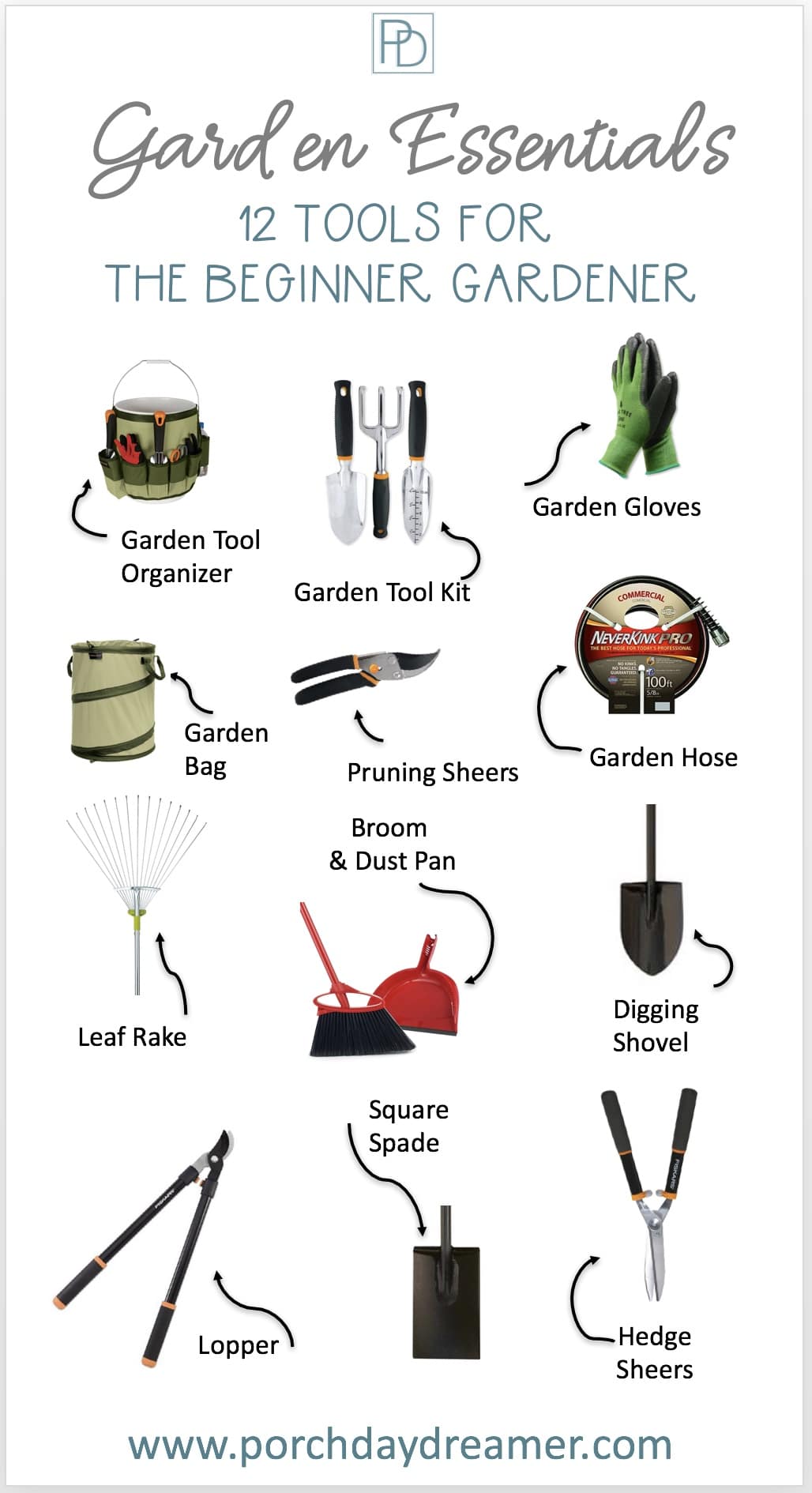
Choosing the right garden accessories makes gardening easier and more enjoyable. Beginners benefit from tools that protect, water, and improve the soil. These accessories help plants grow healthy and strong. Below are some key items to consider adding to your garden kit.
Protective Gear For Beginners
Gardening can expose you to dirt, thorns, and sun. Protective gloves keep your hands safe from cuts and blisters. A wide-brimmed hat shields your face from the sun’s rays. Knee pads provide comfort when working close to the ground. Wearing long sleeves and pants helps avoid scratches and insect bites. These simple gear choices protect your skin and make gardening more comfortable.
Watering Equipment Essentials
Plants need regular watering to thrive. A watering can with a detachable spout allows precise watering. A garden hose with adjustable spray settings covers larger areas. Drip irrigation systems save water and deliver moisture directly to roots. Water timers help maintain a consistent schedule. Proper watering tools keep plants healthy and reduce water waste.
Soil Testing And Amendments
Good soil is the foundation of a strong garden. Soil test kits measure pH and nutrient levels. Knowing your soil type guides which plants will grow best. Amendments like compost add nutrients and improve soil texture. Lime or sulfur adjusts soil acidity. Regular testing and adding the right amendments boost plant growth and garden success.
Conclusion
Starting a garden becomes easier with the right tools in hand. Basic supplies like trowels, pruners, and gloves help you work comfortably. Choosing quality tools saves time and effort. Remember to water your plants regularly and give them sunlight. Simple care creates a healthy, thriving garden.
Enjoy the process and watch your garden grow each day. Gardening brings joy and fresh air to your life. Keep learning and try new plants when ready. Your garden will soon become a beautiful, relaxing space.
