




Starting your gardening adventure can feel exciting but also a bit overwhelming. You might wonder which tools you really need to get your garden thriving without spending a fortune or cluttering your space.
The right tools make all the difference—they save you time, reduce frustration, and help your plants grow healthier. Imagine digging into the soil with a comfortable trowel that fits perfectly in your hand or trimming your plants with ease using sharp, reliable clippers.
In this guide, you’ll discover the top gardening tools every beginner should have to turn your outdoor space into a green haven. Keep reading, and you’ll soon feel confident and ready to nurture your garden like a pro.
Credit: www.velcro.com
Essential Hand Tools
Essential hand tools form the backbone of every beginner gardener’s kit. These tools help with planting, digging, and maintaining your garden with ease. Choosing the right hand tools can make gardening tasks simpler and more enjoyable. Start with the basics that offer versatility and comfort for daily use.
Trowels For Planting And Weeding
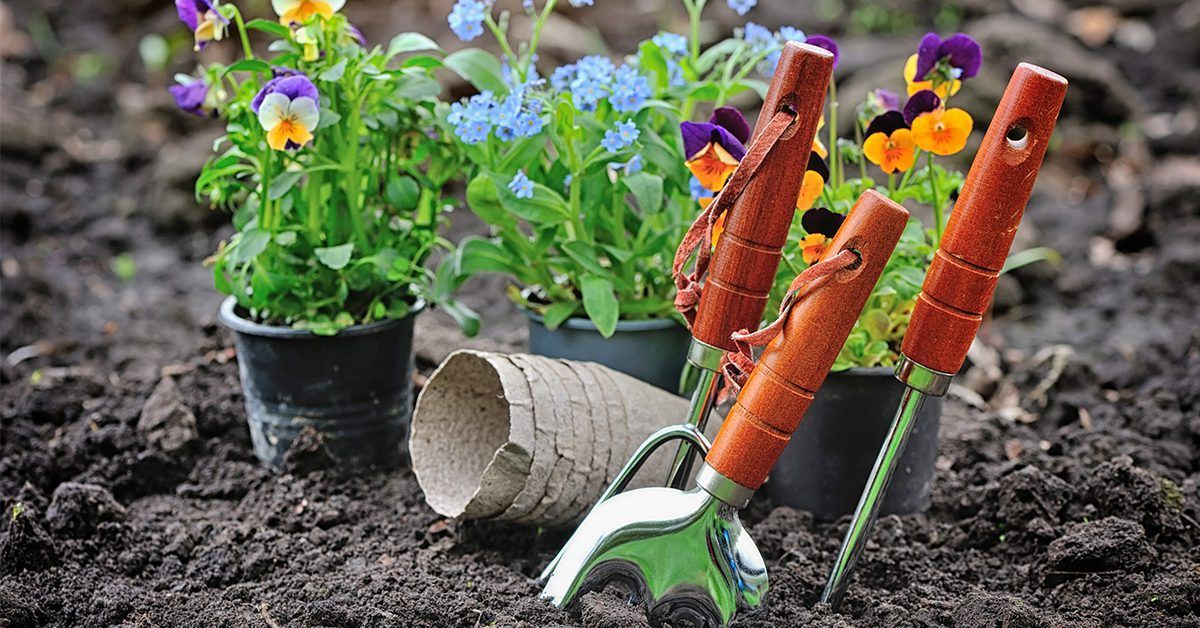
Trowels are small but powerful tools for any garden. They work well for planting flowers, herbs, and small vegetables. Their pointed blade helps dig holes and loosen soil around plants. Trowels also remove weeds gently without disturbing nearby roots. Choose one with a sturdy blade for long-lasting use.
Choosing Comfortable Handles
Comfort matters in gardening tools. Handles should fit well in your hand to reduce strain. Look for soft, non-slip grips made from rubber or cushioned materials. A good handle lets you work longer without discomfort. Avoid hard, thin handles that can cause blisters or fatigue.
Spades And Their Uses
Spades are larger than trowels and great for digging and edging. They help turn soil and cut through tough ground. Use a spade to create garden beds or remove sod. Its flat blade is perfect for lifting plants and dividing roots. A lightweight spade is easier to handle for beginners.

Credit: www.merrifieldgardencenter.com
Watering Equipment
Watering equipment is essential for keeping your garden healthy and vibrant. Proper watering helps plants grow strong roots and prevents diseases caused by overwatering or underwatering. Choosing the right tools can make watering easier and more efficient for beginners.
Selecting The Right Watering Can
Pick a watering can that fits your garden size. Small cans are easy to carry for container plants. Large cans hold more water and suit bigger gardens. Look for cans with a detachable rose or spout to control water flow. Plastic cans are lightweight and rust-free. Metal cans last longer but may be heavier.
Benefits Of A Garden Hose
A garden hose reaches plants that are far from your water source. Hoses save time and effort compared to carrying watering cans. Choose a hose that is flexible and kink-resistant. A spray nozzle with adjustable settings helps water gently or strongly. Store hoses properly to avoid damage and leaks.
Irrigation Tips For Beginners
Water plants early in the morning or late in the evening to reduce evaporation. Check soil moisture before watering to avoid overwatering. Use drip irrigation or soaker hoses for deep watering. Mulch around plants to keep soil moist longer. Regularly inspect watering tools for leaks or blockages.
Cutting And Pruning Tools
Cutting and pruning tools are essential for every beginner gardener. They help shape plants, remove dead parts, and promote healthy growth. Using the right tools makes gardening easier and more enjoyable. Sharp, clean cuts prevent damage to plants and reduce disease risk.
Types Of Clippers And Trimmers
There are several types of clippers and trimmers for different tasks. Hand pruners are perfect for small branches and stems. Loppers have long handles and cut thicker branches. Hedge shears shape bushes and hedges with precision. For delicate work, use bypass pruners that make clean cuts. Electric trimmers speed up trimming large areas and thick branches.
Maintaining Sharp Blades
Sharp blades make clean cuts and reduce plant damage. Wipe blades after each use to remove sap and dirt. Use a sharpening stone or file regularly to keep blades sharp. Avoid cutting hard materials like wire with garden tools. Proper maintenance extends tool life and improves cutting performance.
Safety Tips While Pruning
Wear gloves to protect your hands from thorns and sharp edges. Use eye protection to prevent debris from causing injury. Cut branches away from your body to avoid accidents. Keep tools closed and locked when not in use. Store tools in a safe place out of children’s reach.
Soil And Compost Tools
Soil and compost tools are essential for beginners starting a garden. They help prepare the ground and nourish plants. Good soil and rich compost create a healthy environment for growth. Using the right tools makes gardening easier and more enjoyable.
Using A Wheelbarrow Effectively
A wheelbarrow moves soil, compost, and plants with less effort. Choose one with a comfortable handle and sturdy wheel. Keep the load balanced to avoid tipping. Push the wheelbarrow close to your work area. Empty it carefully to protect delicate plants.
Compost Forks And Rakes
Compost forks turn and aerate compost piles quickly. They break up clumps and mix materials evenly. Rakes help spread compost and soil smoothly. Use a rake to level soil before planting. Both tools keep compost healthy and ready to use.
Soil Testing Kits
Soil testing kits check pH and nutrient levels. They tell you if soil needs lime or fertilizer. Follow the kit instructions for accurate results. Testing soil helps choose the right plants and care. Regular testing improves plant health and growth.
Planting Aids And Accessories
Planting aids and accessories make gardening easier and more enjoyable. These tools protect you and help keep your garden organized. They also support plants as they grow strong and healthy. Beginners find these accessories essential for a successful gardening experience.
Garden Gloves And Knee Pads
Garden gloves protect your hands from dirt and sharp objects. They keep your skin safe from cuts and insect bites. Gloves also help you grip tools better. Knee pads provide comfort when you kneel on hard or rough ground. They reduce strain on your knees during planting and weeding. Both gloves and knee pads make gardening less tiring.
Markers And Labels
Markers and labels help identify plants clearly. They prevent confusion between similar seedlings or herbs. Labels can include plant names and planting dates. This keeps your garden well-organized and easy to manage. Using waterproof markers ensures labels stay readable in rain. Markers save time and reduce mistakes in your garden care.
Plant Supports And Stakes
Plant supports and stakes keep plants upright and stable. They help prevent damage from wind or heavy rain. Stakes guide plants to grow straight and strong. Supports are useful for climbing plants like tomatoes or beans. Using the right supports improves plant health and yields. They make your garden look neat and cared for.
Tool Maintenance And Storage
Proper maintenance and storage of gardening tools keep them working well for a long time. Clean, sharp tools make gardening easier and safer. Storing tools correctly prevents damage and rust. Beginners should learn simple care routines to protect their investment and improve garden results.
Cleaning And Sharpening Tools
After each use, remove dirt and plant residue from tools. Use a stiff brush or water to clean them thoroughly. Dry tools completely to avoid rust. Sharpen blades regularly with a file or sharpening stone. Sharp tools cut better and reduce hand strain. Check handles for cracks and smooth rough spots with sandpaper.
Rust Prevention Techniques
Rust weakens metal tools and shortens their life. Apply a thin layer of oil, like vegetable or machine oil, to metal surfaces after cleaning. Store tools in a dry place to avoid moisture buildup. Use silica gel packs or moisture absorbers in toolboxes or sheds. Inspect tools often and remove any rust early with steel wool or sandpaper.
Organizing Your Garden Shed
A tidy shed saves time and protects tools. Hang tools on wall hooks or pegboards to keep them off the ground. Group similar tools together for easy access. Use shelves or bins for smaller items like gloves and seed packets. Label storage containers to find items quickly. Good organization reduces clutter and keeps tools in good shape.
Budget-friendly Tool Options
Starting a garden does not require expensive tools. Budget-friendly options help beginners save money. Choosing the right tools can make gardening easier and enjoyable. You can find reliable tools without spending a lot. Focus on tools that last and serve multiple purposes. This way, you get the best value for your money.
Affordable Starter Kits
Starter kits include essential gardening tools in one package. They often come with a trowel, pruners, and a hand rake. Kits save money compared to buying tools separately. They are perfect for beginners who need basic tools. Look for kits with comfortable handles and strong materials. These kits help you start gardening without extra costs.
Multi-purpose Tools
Multi-purpose tools combine several functions in one item. For example, a tool can dig, weed, and prune. These tools reduce the number of items you need. They save space and money in your gardening kit. Choose tools that feel balanced and easy to use. Multi-purpose tools are practical for small gardens and pots.
Where To Buy Quality Tools
Quality tools are available at garden centers and hardware stores. Online shops offer many affordable options and customer reviews. Check local stores for seasonal sales and discounts. Buy tools with good warranties and return policies. Avoid very cheap tools that break quickly. Investing in quality helps you garden better and longer.

Credit: www.merrifieldgardencenter.com
Conclusion
Choosing the right gardening tools makes starting easier and more fun. Basic tools like trowels, pruners, and gloves help you care for your plants well. Comfortable tools save effort and protect your hands. Keep tools clean and stored properly to last longer.
Remember, simple tools can grow your confidence and skill. Happy gardening starts with the right tools in hand. Start small, enjoy each step, and watch your garden thrive.
